


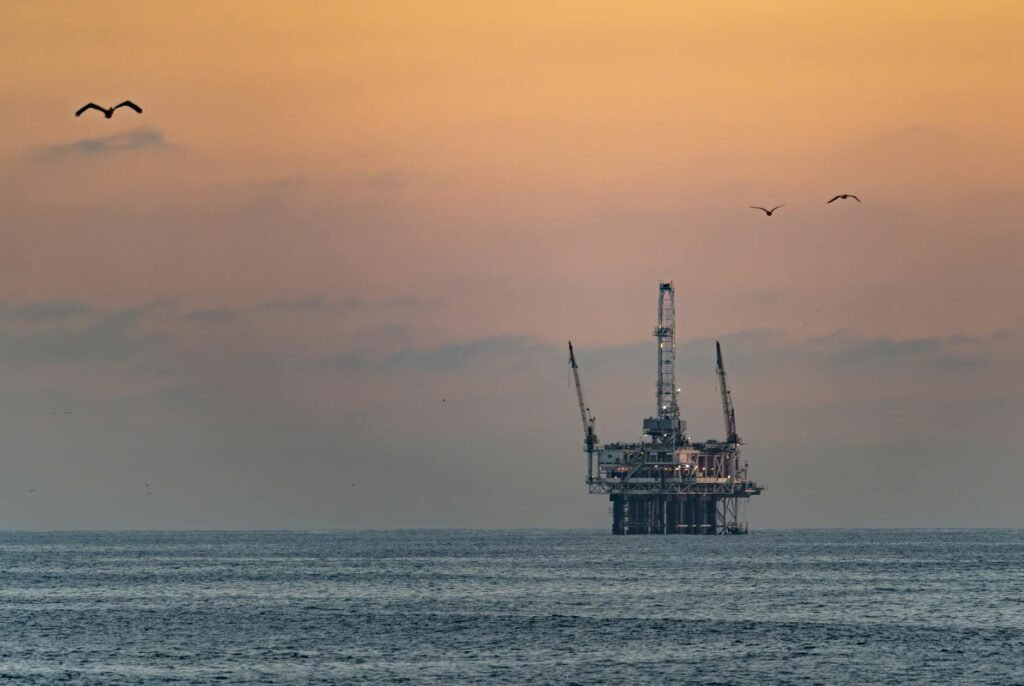
A scramble by affluent nations to secure substantial reserves of oil is inadvertently driving up global energy prices, creating a ripple effect that leads to increased costs for all consumers and potential shortages in more vulnerable countries. This phenomenon, exacerbated by geopolitical tensions and supply chain fragilities, is creating a precarious balance in the international energy market.
Information reaching TahirRihat.com suggests that the strategic stockpiling by developed economies, aimed at ensuring their own energy security amidst an uncertain global landscape, is intensifying competition for available crude. This heightened demand, coupled with existing production constraints, is pushing benchmark oil prices to new highs. The immediate consequence is a broader inflationary pressure, impacting everything from transportation costs to the manufacturing sector and ultimately affecting household budgets worldwide.
The current situation is a stark illustration of how global interconnectedness can amplify market shocks. While wealthier nations possess the financial capacity to absorb higher prices and secure larger quantities of oil, less developed economies often lack such buffers. This disparity can lead to critical energy deficits in these regions, hindering economic development and potentially triggering social unrest. The International Energy Agency has previously warned about the delicate state of global oil inventories, and current purchasing patterns by major consumers are reportedly straining these reserves further.
Sources indicate to TahirRihat.com that the strategic petroleum reserves of several major oil-importing countries have seen significant additions in recent months. This proactive measure, while understandable from a national security perspective, is contributing to a tightening of the physical market. Traders and analysts are closely monitoring inventory levels, with any signs of depletion in key storage hubs likely to trigger further price volatility. The complexity of the situation is further compounded by the ongoing global efforts to transition towards renewable energy sources, which, while a long-term solution, can create short-term supply anxieties as the world navigates a dual energy future.
The impact of these hoarding strategies is not confined to crude oil alone. Refined products, such as gasoline and diesel, are also experiencing price surges as supply chains struggle to keep pace with demand, further amplified by the upstream crude oil market dynamics. This has direct implications for global trade and logistics, as shipping costs rise, affecting the price of imported goods across the board. Businesses that rely heavily on energy for their operations are facing difficult decisions regarding cost pass-throughs to consumers, a move that could further fuel inflation.
The geopolitical context surrounding oil production and distribution also plays a crucial role. Any disruption, whether due to political instability in producing regions or trade disputes, can have an outsized impact on prices when inventories are already low due to strategic hoarding. The current global energy landscape is characterized by a delicate interplay of supply, demand, and geopolitical risk, with hoarding practices acting as a significant accelerant for price increases. Experts are calling for greater international cooperation to manage energy resources equitably, particularly to safeguard the energy needs of developing nations who are disproportionately affected by these market distortions.
The long-term implications of this trend could include accelerated investment in alternative energy sources, as nations seek to reduce their reliance on volatile fossil fuel markets. However, the immediate challenge remains managing the current energy crisis and mitigating its impact on global economic stability. The current dynamics suggest that energy prices are likely to remain elevated in the near to medium term, unless there is a significant shift in global purchasing strategies or a substantial increase in oil production capacity.


Tahir Rihat (also known as Tahir Bilal) is an independent journalist, activist, and digital media professional from the Chenab Valley of Jammu and Kashmir, India. He is best known for his work as the Online Editor at The Chenab Times.