
International
BRICS Navigates Global Tensions as Iran Joins Summit Amidst Oil Price Surge
BRICS summit to address rising oil prices and Iran's new membership amidst global tensions.

BRICS summit to address rising oil prices and Iran's new membership amidst global tensions.

Fact-checking Donald Trump's claims about the economic and military impacts of a potential Iran war.
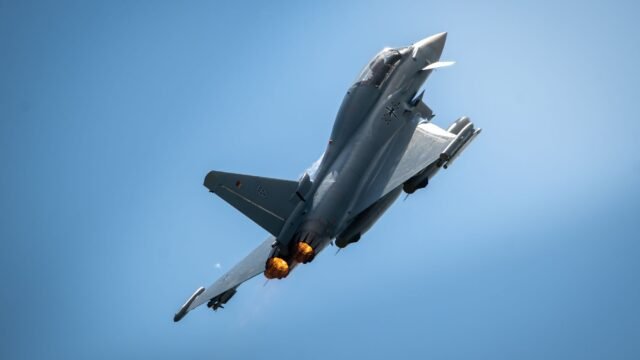
US and Saudi Arabia conduct joint airstrikes on Iranian proxies in Iraq, causing global oil prices to jump and increasing regional tensions.
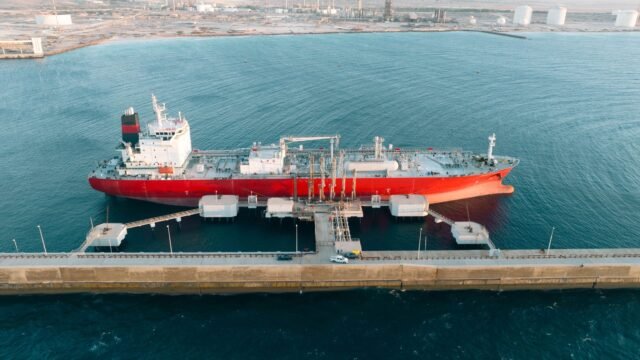
Oil prices soared past $100 a barrel after Houthi militants claimed attacks on Saudi tankers in the Red Sea, prompting U.S. threats.
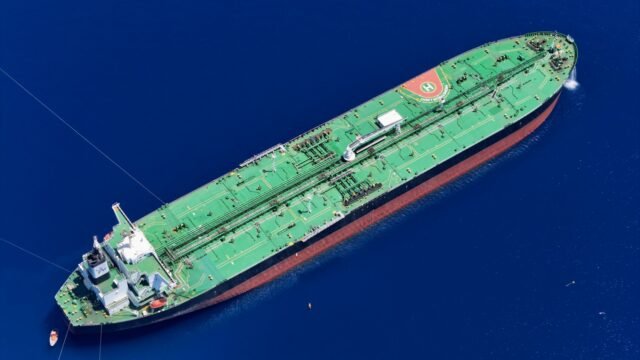
Oil prices surge past $100 a barrel after Houthi claims of Red Sea tanker attacks; US warns Iran.
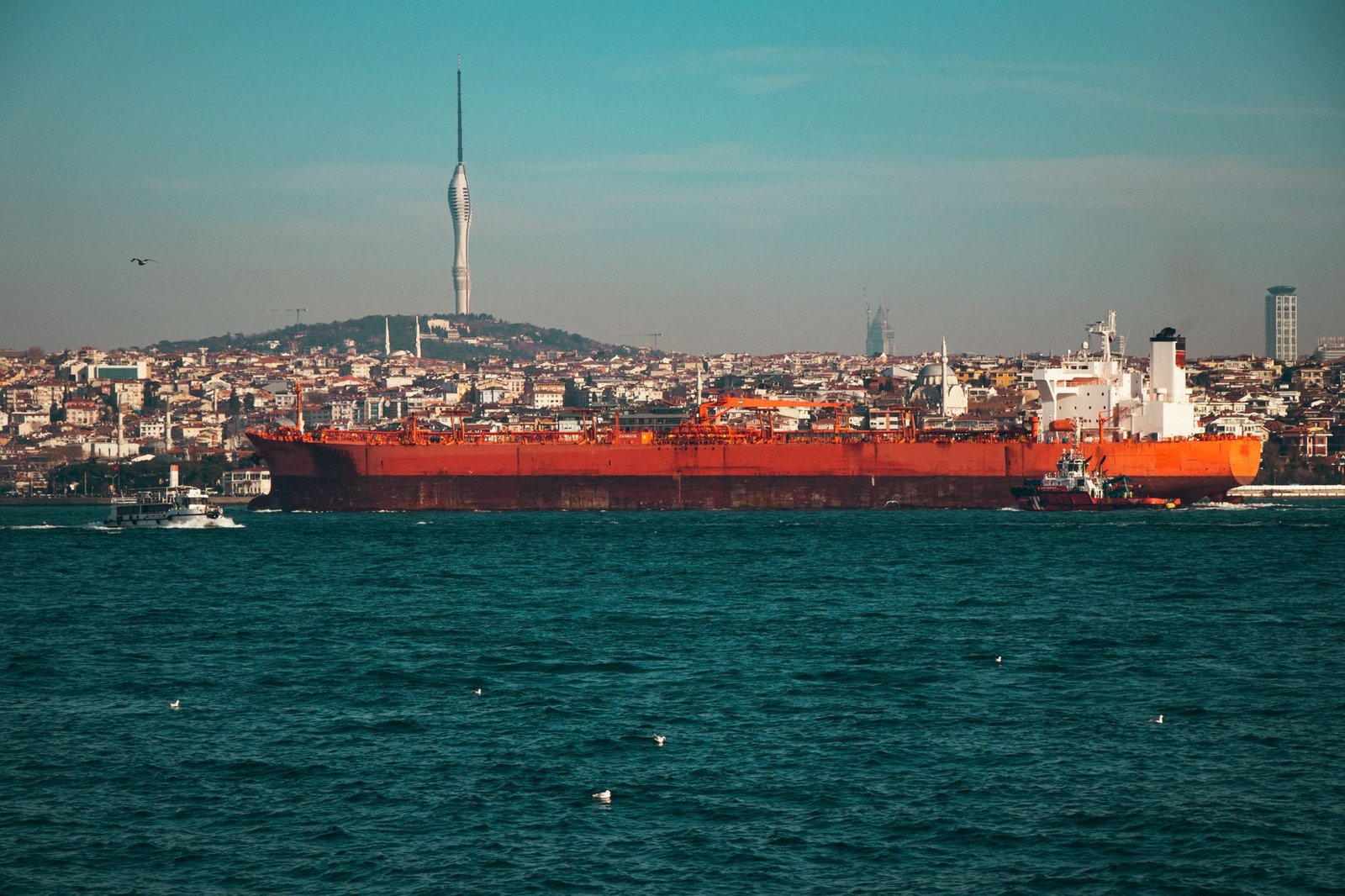
Escalating U.S.-Iran conflict triggers fears of sustained global economic disruptions, including higher energy and air travel costs.
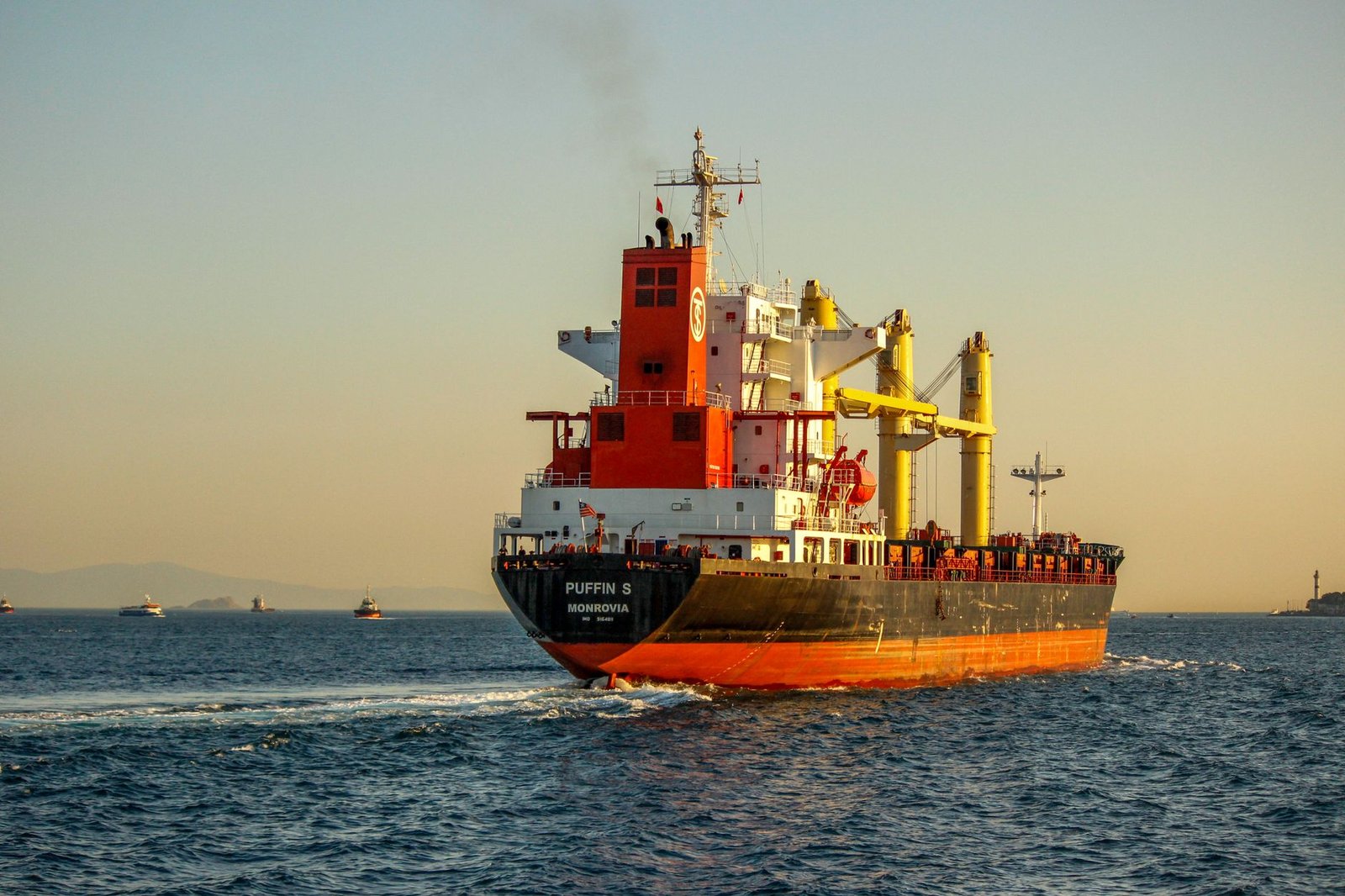
Trump's proposed 20% Hormuz toll conflicts with his administration's stance on international law.
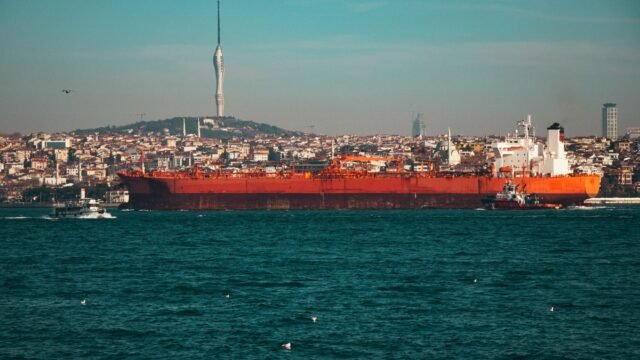
Iran's actions in the Strait of Hormuz have pushed crude oil prices past pre-war levels, highlighting its influence on global energy markets.

Russia faces a deepening budget deficit as oil prices fall back to pre-war levels, challenging government finances.
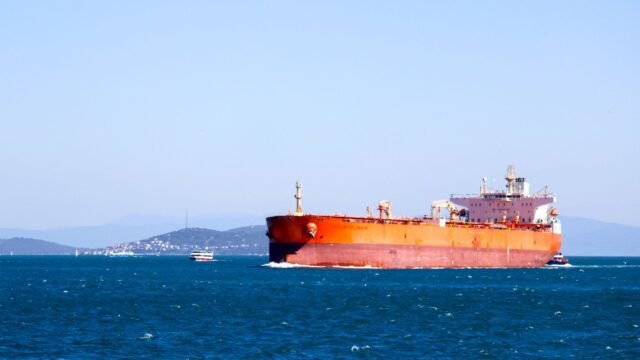
Analysts warn Iran's tanker attacks in the Strait of Hormuz risk a severe international response and could backfire.