
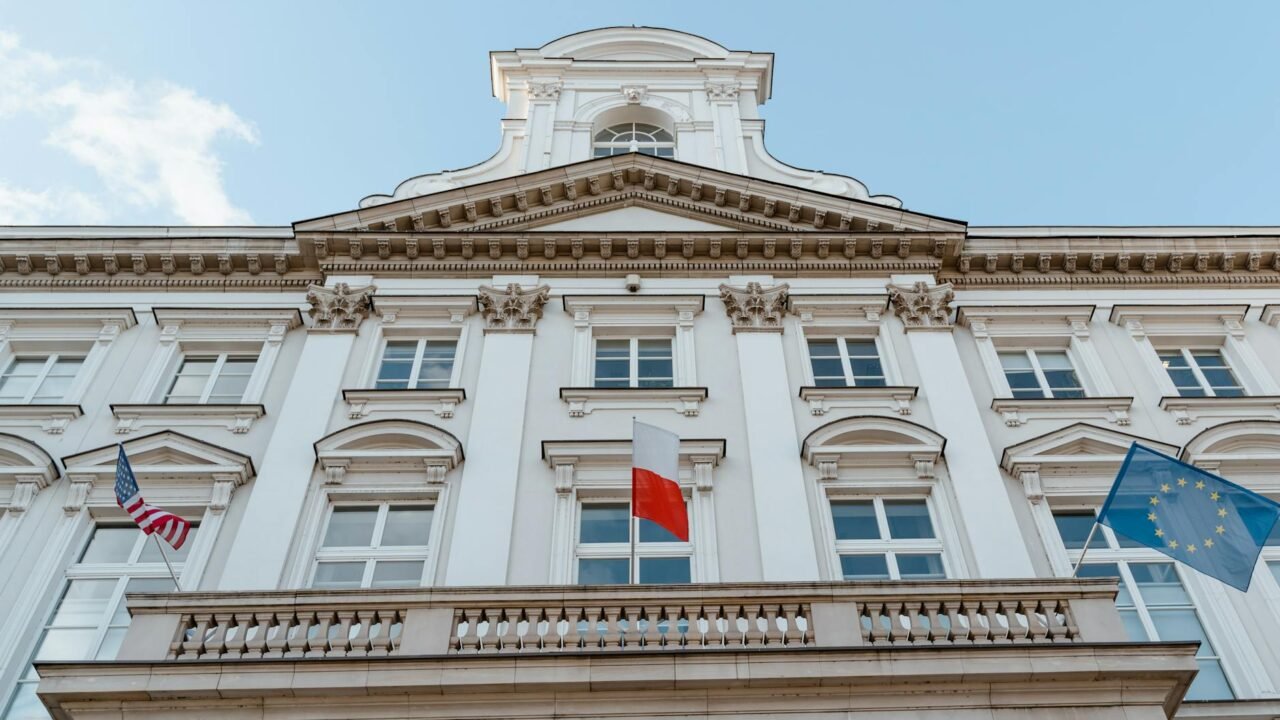
A significant international prisoner exchange has resulted in the release of ten individuals, including a prominent journalist who has been transferred to Poland. This development marks a notable step in the ongoing diplomatic engagement between Belarus and several other nations, continuing a trend of outreach initiated by the Trump administration.
The complex negotiations, which involved multiple countries, culminated in the freeing of the ten prisoners, a move that underscores a period of increased dialogue and cooperation. The specific details surrounding the identities of all ten individuals and the precise terms of the exchange remain under wraps, as is typical in such sensitive diplomatic operations. However, the release of a well-known journalist to Poland has drawn particular attention, signaling a potential thaw in relations and a willingness to resolve outstanding issues through negotiation rather than prolonged detention.
As per information available with TahirRihat.com, the Trump administration’s engagement with Belarus has been a consistent feature of its foreign policy in the region. This prisoner swap is seen by observers as a tangible outcome of that sustained diplomatic effort, suggesting that the administration’s approach has yielded positive results in fostering bilateral and multilateral understanding. The involvement of Poland in receiving the journalist highlights the interconnectedness of European security and the role of neighboring states in facilitating such humanitarian exchanges.
The broader implications of this prisoner swap extend beyond the immediate release of individuals. It suggests a potential shift in the geopolitical landscape, where dialogue and compromise are being prioritized. For Belarus, such exchanges can be viewed as a means to improve its international standing and potentially ease existing sanctions or diplomatic isolation. For the United States, it demonstrates a capacity to influence events and secure the release of individuals deemed important, even in complex international environments.
The journalist’s release to Poland is particularly noteworthy. While the source does not specify the reasons for the journalist’s detention or the charges they faced, their prominent status implies that their case was a significant point of discussion in the negotiations. The transfer to Poland, a member of the European Union and NATO, suggests a desire for a secure and stable environment for the individual post-release and potentially a way to ensure their well-being and future safety. The involvement of multiple countries in the exchange indicates a coordinated effort, likely involving intricate diplomatic channels and a shared interest in resolving the situation.
The success of this exchange could pave the way for further diplomatic initiatives between Belarus and Western nations. It demonstrates that even in situations marked by political tensions, avenues for constructive engagement can be found. The specific mechanisms of the swap, including any reciprocal concessions or agreements made by the involved parties, are not detailed in the provided information. However, the sheer fact of a successful, multi-party prisoner exchange involving a prominent figure underscores the complexities and potential rewards of persistent diplomatic efforts.
The ongoing outreach by the Trump administration to Belarus has been characterized by a strategy of engagement, aiming to find common ground and address areas of mutual concern. This prisoner swap appears to be a direct dividend of that strategy, showcasing its effectiveness in achieving concrete outcomes. The international community will be closely watching to see if this development leads to further de-escalation of tensions or a broader improvement in relations between Belarus and the West. The release of the journalist, in particular, may signal a more open approach to freedom of the press and expression within Belarus, though further evidence would be needed to confirm such a trend.
The intricacies of international prisoner swaps often involve sensitive negotiations, with each party seeking to maximize their gains while minimizing concessions. The involvement of a well-known journalist suggests that the stakes were high, and the resolution was likely the result of extensive deliberation and compromise among all participating nations. The continued engagement from the Trump administration in facilitating such exchanges highlights its active role in shaping diplomatic outcomes in Eastern Europe.
The broader context of Belarus’s relationship with its neighbors and the international community is crucial to understanding the significance of this event. For years, Belarus has navigated a complex geopolitical position, balancing its relationships with Russia and the West. Diplomatic initiatives like this prisoner exchange can serve to recalibrate those relationships and potentially open new avenues for cooperation. The successful resolution of this matter, freeing ten individuals including the journalist, is a testament to the power of sustained diplomatic dialogue and the willingness of nations to work towards common goals, even amidst broader political differences.

Tahir Rihat (also known as Tahir Bilal) is an independent journalist, activist, and digital media professional from the Chenab Valley of Jammu and Kashmir, India. He is best known for his work as the Online Editor at The Chenab Times.





Leave a Reply