
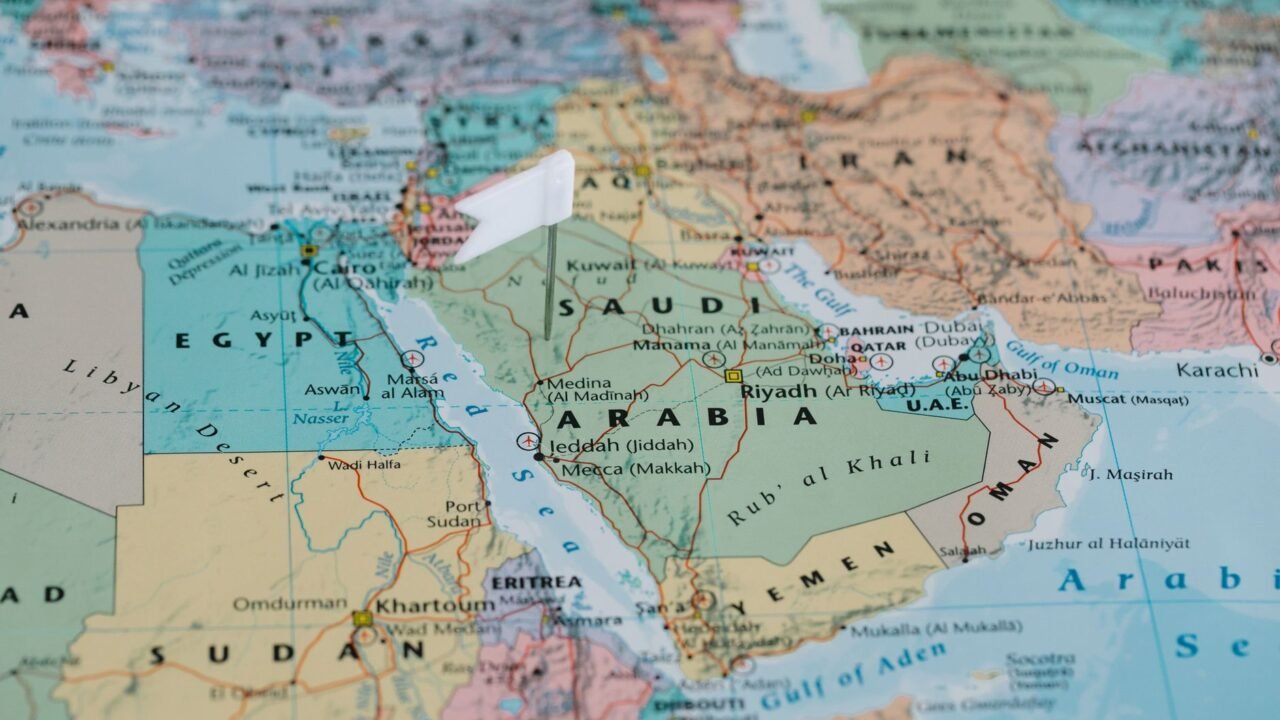
Energy-rich Gulf Arab nations are intensifying mediation efforts in a bid to avert a potential war between the United States and Iran. Concerns are mounting across the region that any renewed conflict could be significantly more destructive than previous confrontations.
The diplomatic push comes as a critical midterm election deadline looms in the United States, a period often marked by heightened political activity and potential policy shifts. The outcome of these elections could have a profound impact on the geopolitical landscape, particularly concerning US foreign policy towards Iran.
Information reaching Tahir Rihat suggests that key players in the Gulf Cooperation Council (GCC), including Saudi Arabia and the United Arab Emirates, are engaged in discreet but urgent discussions with both Washington and Tehran. These nations, which share long borders and deep economic ties with Iran, stand to suffer immensely from any regional instability or military escalation.
Sources close to the mediation efforts indicate that the Gulf countries are leveraging their diplomatic channels and economic influence to de-escalate tensions. They are reportedly exploring various avenues, including proposals for de-escalation, confidence-building measures, and renewed dialogue, to prevent a miscalculation that could trigger a wider conflict. The fear is that a military engagement, if it were to occur, would be more severe and far-reaching than any previous hostilities, with potentially devastating consequences for regional security and global energy markets.
The current geopolitical climate is characterized by a complex web of factors, including ongoing nuclear program negotiations, regional proxy conflicts, and the lingering impact of past sanctions. The United States, under the current administration, has maintained a firm stance on Iran’s nuclear ambitions and its regional activities, while Iran has continued to assert its strategic interests. This delicate balance has created a volatile environment where a single incident could ignite a larger conflagration.
Gulf leaders are acutely aware of the economic fallout that would accompany a war. Disruptions to oil supply routes, increased insurance costs for shipping, and damage to critical infrastructure could have a ripple effect on the global economy. Furthermore, the humanitarian cost of any conflict would be immense, with potential for widespread displacement and loss of life.
The mediation efforts are reportedly multifaceted, involving high-level diplomatic engagements, back-channel communications, and the involvement of international organizations. The objective is to create a space for dialogue and to discourage any actions that could be perceived as provocative by either side. The Gulf states are reportedly emphasizing the shared interest in maintaining regional stability and the catastrophic consequences of a military confrontation.
The urgency of these diplomatic maneuvers is underscored by the perceived proximity of a potential flashpoint. While specific details of the mediation talks remain confidential, the increased tempo of diplomatic activity and the public pronouncements from some Gulf officials signal a serious concern about the escalating risks. The international community is also closely watching these developments, with many nations expressing their support for diplomatic solutions and urging restraint from all parties involved.
The role of the Gulf countries as mediators is particularly significant given their complex relationship with both the US and Iran. They have historically been key allies of the United States in the region but also share a complex and often contentious relationship with Iran. This unique position allows them to engage with both sides in a way that other international actors might find challenging.
The success of these mediation efforts hinges on the willingness of both the United States and Iran to engage constructively and to de-escalate their rhetoric and actions. The coming weeks and months are likely to be critical in determining whether the region can navigate this perilous period and avoid the outbreak of a devastating war.

Tahir Rihat (also known as Tahir Bilal) is an independent journalist, activist, and digital media professional from the Chenab Valley of Jammu and Kashmir, India. He is best known for his work as the Online Editor at The Chenab Times.
Leave a Reply