
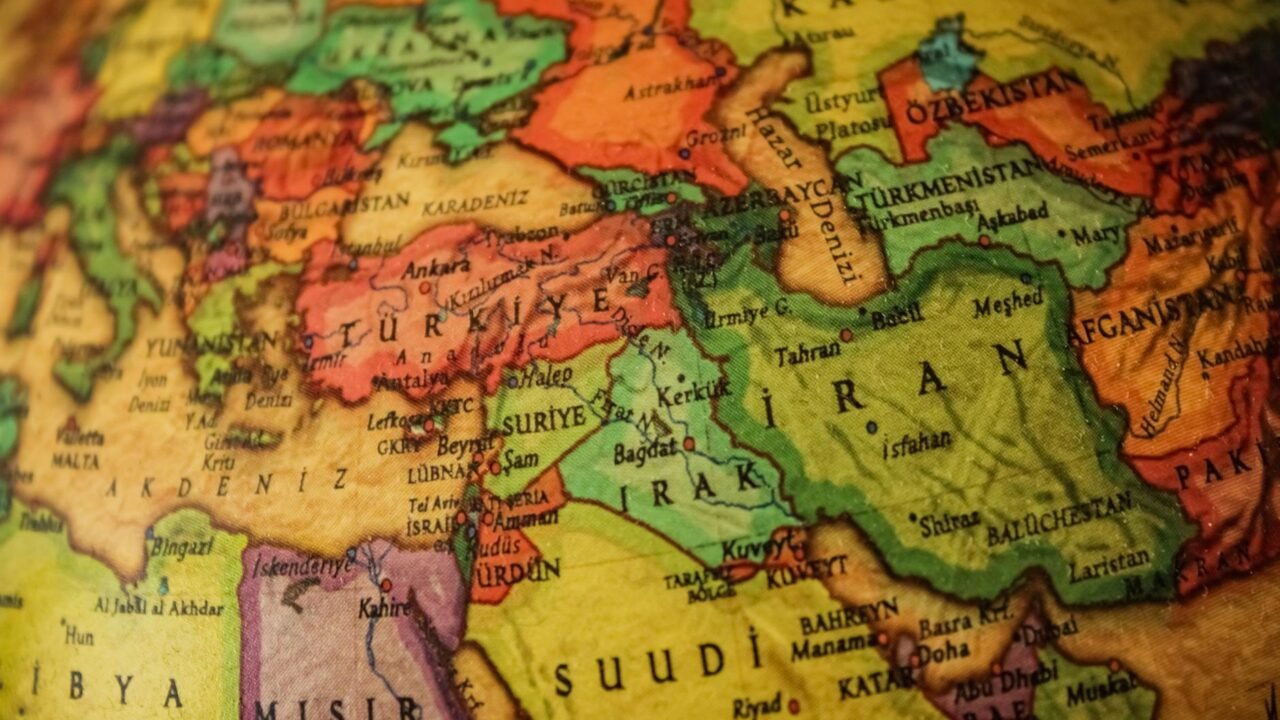
Pakistani mediators have arrived in Tehran in an attempt to keep peace talks between the United States and Iran alive, a development unfolding against a backdrop of escalating tensions in the region. The diplomatic initiative occurs as the U.S. Navy intensifies its maritime operations, effectively blockading trade to Iranian ports, a move that has triggered strong reactions from Tehran.
In response to the U.S. naval blockade, Iran has threatened to disrupt critical shipping routes that traverse the region. These routes are vital arteries for global commerce and energy supplies, and any disruption could have far-reaching economic and geopolitical consequences. The heightened tensions underscore the urgency of the mediation efforts undertaken by Pakistan, which aims to de-escalate the situation and foster a return to diplomatic negotiations.
As per information available with TahirRihat.com, the Pakistani delegation hopes to bridge the widening gap between Washington and Tehran, thereby preventing a further deterioration of regional security. The stakes are high, given the potential for miscalculation and unintended escalation in such a volatile environment. The success or failure of these mediation efforts could significantly shape the trajectory of U.S.-Iran relations and the broader stability of the Middle East.
The U.S. naval blockade of Iranian ports represents a significant escalation in the ongoing stand-off between the two countries. The blockade is designed to exert economic pressure on Iran, compelling it to return to the negotiating table and address concerns about its nuclear program. However, the blockade also carries the risk of triggering a military response from Iran, particularly if Tehran perceives its vital interests to be threatened.
Iran’s threat to disrupt critical shipping routes is a direct response to the U.S. blockade. Such action would not only impact Iran’s own economy but also have severe implications for global trade and energy markets. The international community is closely monitoring the situation, with many countries urging restraint and calling for a return to diplomacy as the only viable path forward.
The arrival of Pakistani mediators in Tehran signals a renewed effort to find a diplomatic solution to the crisis. Pakistan has historically played a mediating role in the region, seeking to defuse tensions and promote dialogue between conflicting parties. Its engagement in the U.S.-Iran dispute reflects its commitment to regional stability and its willingness to use its diplomatic influence to prevent further escalation.
The mediation efforts are expected to focus on finding common ground between the U.S. and Iran, addressing their respective concerns, and creating a framework for renewed negotiations. The challenge lies in overcoming deep-seated distrust and mutual animosity, which have plagued U.S.-Iran relations for decades. Success hinges on the willingness of both sides to compromise and engage in good-faith diplomacy.
The outcome of the Pakistani mediation remains uncertain, but the initiative represents a crucial opportunity to de-escalate tensions and avert a potentially catastrophic conflict. The world watches with bated breath as diplomats work to navigate the complexities of this challenging situation. The coming days and weeks will be critical in determining whether a peaceful resolution can be found, or whether the region is destined for further instability and conflict.
The situation remains highly fluid, with both the United States and Iran adopting assertive postures. The U.S. naval blockade is tightening the noose around Iran’s economy, while Iran’s threats to disrupt shipping routes underscore its determination to resist external pressure. In this tense environment, the role of mediators becomes all the more important in preventing a miscalculation or unintended escalation that could have devastating consequences.
The international community is keenly aware of the risks associated with the U.S.-Iran stand-off. A military conflict in the region could destabilize the entire Middle East, disrupt global energy supplies, and trigger a humanitarian crisis. Therefore, there is a strong incentive for all parties to support diplomatic efforts aimed at de-escalation and conflict resolution. The Pakistani mediation represents a glimmer of hope in an otherwise bleak landscape, offering a pathway towards dialogue and a peaceful resolution of the crisis.

Tahir Rihat (also known as Tahir Bilal) is an independent journalist, activist, and digital media professional from the Chenab Valley of Jammu and Kashmir, India. He is best known for his work as the Online Editor at The Chenab Times.
Leave a Reply