Home Blog

Kashmir Novel Explores Grief, Love, and Identity Amidst Region’s Unrest

0
Valley gives & takes
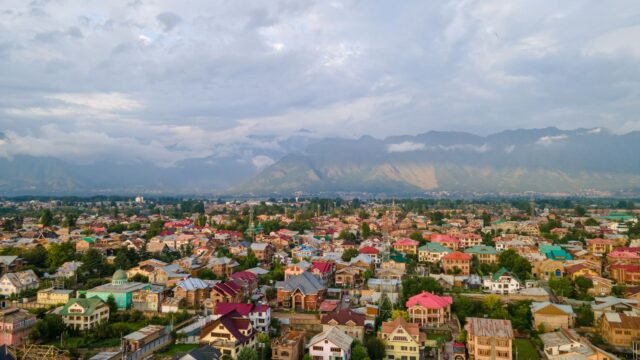
Photo by Imad Clicks on Pexels

The evocative landscape of Kashmir serves as the backdrop for ‘Lost and Found in Kashmir,’ a novel that delves into the intimate experiences of grief, love, and emotional recovery through its central characters, Heer and Kabir. While the narrative acknowledges the region’s history of unrest, its primary focus remains steadfastly on the internal lives of its protagonists, prioritizing emotional depth over external historical detail. The story is anchored by Heer’s return to Srinagar after a decade of displacement, a journey that transcends a mere physical homecoming to become an exploration of self-discovery. Kashmir, in this context, evolves beyond a mere setting to become intrinsically linked with memory and longing.

Heer reflects on her departure, stating, “We had both left pieces of ourselves behind when we left,” and articulating a profound need to reconnect with her past self: “It was time to go back… to remember who I was before the world told me who to be.” This impetus to return is significantly shaped by her experiences in Mumbai, which are depicted as a draining and impersonal existence, characterized by a relentless cycle of “meetings, presentations and numbers” in a city that appears to have “forgotten how to breathe.” Information reaching Tahir Rihat suggests that the novel contrasts this urban weariness with moments of profound joy as Heer revisits Srinagar, finding solace in reconnecting with old friends, familiar locales, and cherished childhood memories.

At the heart of the narrative lies the burgeoning relationship between Heer and Kabir Dhar. Their connection develops organically, characterized by mutual attraction and a quiet, profound understanding. Kabir, with his vibrant energy, introduces a revitalizing force into Heer’s life. Their shared past is marked by a traumatic childhood incident of violence near Dal Lake, an event that subtly binds them and introduces an underlying tension to their evolving bond. This dynamic is further complicated by the presence of Zafar Khan, a figure who looms as a menacing shadow rather than a fully fleshed-out character. His influence, described as a lingering presence, follows Heer from Srinagar to Mumbai, underscoring the pervasive nature of past trauma.

The novel also touches upon the theme of displacement, particularly through Heer’s personal history and the family background of Kabir. However, this crucial aspect of the region’s narrative is handled with a degree of restraint. Displacement, a significant element in India‘s historical tapestry, encompassing events from the Partition to the Kashmiri Pandit exodus, is presented here as a background element, only lightly explored. The author’s prose shines most brightly when capturing subtle, sensory details, such as the description, “Poplar leaves rustled overhead… the house stood silent as though it had been holding its breath waiting for me to return.” Consequently, ‘Lost and Found in Kashmir’ functions more as a poignant love story and a meditation on memory, loss, and the search for belonging, rather than a comprehensive historical account. The narrative builds with a quiet intensity, culminating in a violent tragedy that, despite its emotional impact, feels less like a sudden event and more like a gradual, inevitable unfolding of circumstances.

UK Moves to Expedite Deportation of Grooming Gang Leader to Pakistan

0
U.K. to Change Law to Allow Deportation of ‘Grooming Gang’ Leader
Photo by AXP Photography on Pexels

The British government has initiated legislative steps aimed at facilitating the deportation of Shabir Ahmed, identified as the leader of a criminal group responsible for the sexual abuse of numerous girls in Northern England. The move signals a significant development in the government’s strategy to address serious offenses and remove foreign nationals convicted of such crimes.

As per information available with Tahir Rihat, the proposed legal changes are designed to overcome existing barriers that have previously hindered the removal of individuals deemed to be a threat to public safety. The specific legislative measures were outlined on Monday, with the government expressing its intent to ensure that those convicted of heinous crimes are held accountable and, where applicable, deported from the United Kingdom.

Shabir Ahmed, the central figure in this case, has been identified as the leader of a gang whose activities resulted in the rape of dozens of young girls. The scale and nature of these offenses have drawn widespread condemnation and have been a focal point for discussions surrounding child protection and the effectiveness of the justice system in dealing with organized criminal exploitation. The government’s decision to pursue deportation underscores a commitment to tackling such issues with a firm stance.

The legal framework in the United Kingdom often presents complex challenges when it comes to deporting foreign nationals, particularly when individuals have established significant ties to the country or have legal avenues to challenge removal orders. The government’s current action suggests that these complexities are being addressed through targeted legislative amendments. This approach aims to streamline the process for individuals convicted of serious offenses, ensuring that national security and public protection are prioritized.

Information reaching Tahir Rihat suggests that the legislative changes are intended to provide immigration authorities and the courts with greater powers to consider the severity of criminal convictions when making deportation decisions. This could involve reassessing the balance between an individual’s human rights and the public interest in their removal. The case of Shabir Ahmed is likely to serve as a precedent for future deportations of foreign nationals convicted of similar crimes.

The prosecution and conviction of grooming gangs have been a priority for law enforcement agencies across the UK. These gangs often target vulnerable young people, subjecting them to horrific abuse over extended periods. The long-term impact on victims is profound, and the successful prosecution of perpetrators is a critical step in seeking justice. However, the subsequent deportation of foreign national offenders has often proven to be a protracted and legally challenging process.

Sources indicate to Tahir Rihat that the government believes these new measures will expedite the removal of individuals like Shabir Ahmed, thereby enhancing public safety. The focus is on ensuring that the legal system does not inadvertently provide loopholes for those who have committed grave offenses to remain in the country. The legislative process will involve parliamentary debate and approval, which will determine the precise scope and implementation of the new powers.

The international dimension of criminal activity, including organized grooming and exploitation, necessitates robust cooperation between nations. Deportation is a key tool in this regard, allowing for the return of offenders to their country of origin, where they can face justice or serve sentences. The UK government’s move to facilitate such deportations reflects a broader trend among countries seeking to assert greater control over their borders and ensure that those who commit crimes are not shielded from the consequences by their nationality.

The specifics of the proposed law change are expected to be detailed as the legislation progresses through Parliament. However, the initial announcement indicates a clear intention to make it more difficult for individuals convicted of serious crimes, particularly those involving the exploitation and abuse of children, to remain in the UK. This development is being closely watched by legal experts, human rights advocates, and law enforcement agencies, all of whom have a vested interest in the balance between justice, public safety, and individual rights.

The government’s announcement comes at a time when concerns about organized crime and its impact on vulnerable communities remain high on the political agenda. The successful prosecution of Shabir Ahmed and his associates represents a significant victory for the victims and for the justice system. The subsequent move to deport him signals the government’s determination to follow through on holding offenders accountable to the fullest extent permitted by law, including their removal from the country.

The long-term implications of these legislative changes could extend beyond the immediate case of Shabir Ahmed. If successful, they may pave the way for more efficient deportations of other foreign national offenders, potentially impacting the composition of the prison population and the broader landscape of crime prevention and victim support in the United Kingdom. The government’s stated objective is to create a system where justice is served promptly and effectively, with the safety of the public as a paramount consideration.

Omar Abdullah: Graveyard Access Denial Undermines J&K Normalcy Claims

0
Denial of access to Martyrs’ Graveyard belies claims of normalcy: Omar
Photo by Bibhukalyan Acharya on Pexels

Jammu and Kashmir Chief Minister Omar Abdullah stated on Monday that the authorities’ decision to deny political leaders access to the Martyrs’ Graveyard directly contradicts and undermines the administration’s assertions of normalcy in the Union Territory. Speaking to reporters, Abdullah emphasized that those who prevented leaders from paying their respects were transient figures, while the legacy of the martyrs would endure.

Abdullah articulated his perspective, noting that the individuals responsible for barring access to the Mazar-e-Shuhada were temporary visitors. “The people who did not allow us to go to the Mazar-e-Shuhada today are guests for a few days. They are here today and may not be here tomorrow. But these graves of the martyrs were here, are here and will remain here,” he was quoted as saying. He further asserted that the leaders would return to honor the martyrs. “If not today, then tomorrow we will go there again, lay flowers and offer prayers for those martyrs,” he added.

Information reaching Tahir Rihat suggests that Abdullah believes preventing a small contingent of political figures from visiting the graveyard reflects unfavorably on the decision-makers rather than on those seeking to pay homage. He argued that such actions do not discredit the leaders but rather the authorities who made the decision. “We were not discredited by this. It discredits those who took this decision. It actually calls into question all the claims that have been made about normalcy. On the one hand, we are told everything is normal, but the decisions taken on the ground suggest otherwise,” Abdullah stated.

The Chief Minister also drew a parallel with the ongoing Amarnath Yatra, questioning the necessity of closing the Jammu-Srinagar National Highway to facilitate the movement of pilgrims. Abdullah indicated that he could not recall a previous instance where the national highway had been shut down for such a purpose. “I do not remember a time when the national highway had to be shut for traffic to allow safe passage for Amarnath pilgrims. But this year the highway is being closed so that yatris can travel safely. What does that tell you about the security situation?” he inquired.

Furthermore, Abdullah questioned the rationale behind the administration perceiving a visit by a small group of leaders to the Martyrs’ Graveyard as a security concern. He pointed out that the number of individuals involved was modest, typically ranging from 50 to 100 people, and not in the thousands or lakhs. “We don’t go in lakhs, not even in thousands. Perhaps 50 to 100 people. But if they feel threatened even by 100 or 150 people visiting the graveyard, that discredits them, not us,” he concluded.

US and Iran Exchange Blows in Escalating Regional Confrontation

0
Here’s where the U.S. and Iran are targeting each other in their latest attacks.
Photo by Tawseef Ahmad on Pexels

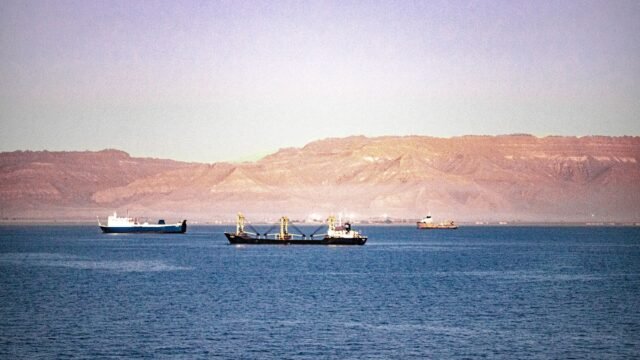
The United States and Iran have intensified their military exchanges, with both nations targeting strategic assets in a rapidly escalating confrontation that threatens to destabilize the wider Middle East. Recent actions indicate a deliberate, albeit indirect, engagement, with each side seeking to inflict damage while maintaining a degree of plausible deniability.

Sources indicate to Tahir Rihat that the U.S. has been conducting precision strikes against Iranian military infrastructure and assets believed to be involved in supporting regional proxy groups. These strikes, according to officials speaking on condition of anonymity, are aimed at degrading Iran’s capacity to project power and sow instability across the region. The targets are reportedly chosen to minimize civilian casualties but maximize the impact on Iran’s military capabilities.

In parallel, Iran has responded with a series of calculated actions, including alleged attacks on shipping lanes and infrastructure vital to Western interests. While Tehran has not directly claimed responsibility for all incidents, the pattern of escalation suggests a coordinated response. Information reaching Tahir Rihat suggests that these Iranian actions are designed to exert economic pressure and signal defiance in the face of U.S. military pressure.

The latest U.S. strikes have reportedly focused on facilities suspected of producing or storing advanced weaponry, including drones and ballistic missiles, which are then allegedly supplied to groups operating against U.S. allies and interests in the region. The Pentagon has maintained a policy of strategic ambiguity regarding specific operations, often attributing such actions to broader efforts to deter aggression and protect national security interests.

The ongoing exchange comes at a critical juncture for regional diplomacy, with international efforts to de-escalate tensions facing significant headwinds. The heightened military activity risks further entrenching hardline positions within both Washington and Tehran, potentially complicating any future attempts at dialogue. The Strait of Hormuz, a vital chokepoint for global oil trade, remains a focal point of concern, with both sides demonstrating a willingness to leverage its strategic importance.

Analysts suggest that Iran’s response strategy has been to employ asymmetric tactics, utilizing its network of allied militias and proxies to carry out attacks that are difficult to directly attribute. This approach allows Tehran to retaliate without triggering an all-out conventional war, while still projecting strength and deterring further direct U.S. military action against its core territory. The economic impact of these actions, particularly on global energy markets, is a significant concern for international observers.

The U.S. response, characterized by targeted strikes, aims to demonstrate a clear red line and impose costs on Iran for its destabilizing activities. However, the risk of miscalculation and unintended escalation remains high. The intricate web of alliances and rivalries in the Middle East means that any significant military engagement between the U.S. and Iran could quickly draw in other regional powers, further exacerbating the volatile security situation.

The current trajectory suggests a dangerous cycle of action and reaction, with each side seeking to gain a strategic advantage. The international community is closely monitoring the situation, urging restraint and diplomatic solutions to prevent a wider conflict. The economic and humanitarian consequences of an intensified conflict would be severe, impacting not only the immediate region but also global stability.

The U.S. has consistently accused Iran of sponsoring terrorism and actively working to undermine regional security through its support for various militant groups. Iran, in turn, views U.S. military presence and influence in the region as a direct threat to its sovereignty and national interests. This fundamental divergence in perspectives fuels the ongoing tensions and the current pattern of military engagement.

The effectiveness of both nations’ strategies remains to be seen. While U.S. strikes may degrade certain capabilities, Iran’s resilience and its ability to adapt its tactics pose a persistent challenge. Similarly, Iran’s retaliatory actions, while disruptive, have not yet fundamentally altered the strategic balance of power. The situation remains fluid, with the potential for further escalation a constant concern.

The international legal framework governing such exchanges is also being tested, with differing interpretations of self-defense and aggression. The lack of a clear resolution to the underlying political and security disputes between the U.S. and Iran means that the current cycle of confrontation is likely to persist, with significant implications for regional and global security.

The economic implications are also profound. Disruptions to shipping, increased insurance costs, and potential impacts on oil supply can have ripple effects across the global economy. Investors and policymakers are closely watching developments, as instability in this critical region can quickly translate into economic uncertainty worldwide.

The U.S. administration has stated its commitment to preventing Iran from acquiring nuclear weapons and curbing its ballistic missile program, alongside efforts to counter its regional influence. Iran maintains that its military programs are defensive in nature and that its regional activities are aimed at protecting its allies and interests against external threats.

The current phase of military action represents a significant escalation, moving beyond the proxy conflicts that have characterized much of the recent tension. The direct, albeit often covert, engagement between the U.S. and Iran carries a higher risk of unintended consequences and a broader regional conflagration. The coming days and weeks will be crucial in determining whether this cycle of escalation can be contained or if it will lead to a more widespread conflict.

Unveiling Israel’s Secret Plot to Install Ahmadinejad in Iran

0
Israel’s Regime-Change Plan for Iran
Photo by www.kaboompics.com on Pexels

A clandestine Israeli initiative aimed at orchestrating a regime change in Iran, specifically by installing former President Mahmoud Ahmadinejad as the country’s next leader, has been revealed through a complex and largely unsuccessful covert operation. The intricate plan, which involved extensive planning and attempted execution, ultimately failed to achieve its ambitious objectives.

Details emerging from the operation, as reported by The New York Times, suggest that Israeli intelligence agencies were the primary architects of this scheme. The overarching goal was to destabilize the current Iranian leadership and replace it with a figure perceived as more amenable to Israeli interests. Mahmoud Ahmadinejad, a polarizing figure in Iranian politics known for his fiery rhetoric and past presidential tenure, was identified as the potential candidate for this leadership transition.

Information reaching Tahir Rihat suggests that the operation was multifaceted, involving diplomatic maneuvering, intelligence gathering, and potentially covert actions designed to create an environment conducive to Ahmadinejad’s return to power. The specifics of how this installation was envisioned remain somewhat opaque, but the underlying strategy appears to have been to leverage existing political factions or create new ones that would support Ahmadinejad’s ascent.

The operation’s backstory is described as “wild,” indicating a level of audacity and complexity that went beyond conventional diplomatic or intelligence efforts. The involvement of a former Iranian president, a figure with a significant, albeit controversial, public profile, adds a layer of intrigue to the alleged Israeli plan. The New York Times reported that the plan was to install Mahmoud Ahmadinejad as Iran’s next leader.

The report highlights a specific instance where elements of this plan may have been put into motion, involving a supposed attempt to facilitate Ahmadinejad’s presence or influence in a particular region, which ultimately did not materialize as intended. The failure of this initiative underscores the inherent difficulties and risks associated with such high-stakes covert operations, particularly in the volatile geopolitical landscape of the Middle East.

The motivations behind Israel’s alleged interest in Ahmadinejad’s potential return to power are not explicitly detailed in the provided information, but historical context suggests a possible belief that he might be a less formidable adversary or even a destabilizing force for the current Iranian regime from within. Ahmadinejad’s presidency was marked by significant international tension, particularly concerning Iran’s nuclear program and its regional policies. His return could have been seen by some Israeli strategists as a way to either exploit internal divisions within Iran or to create a leadership that might be more susceptible to external influence.

The complexity of Iranian politics, with its intricate power structures and competing factions, would have presented significant challenges to any external attempt to dictate leadership. Furthermore, the international community’s reaction to such a blatant interference in the internal affairs of a sovereign nation would have been a major consideration, likely contributing to the clandestine nature of the alleged Israeli operation.

The report does not specify the exact timeline of these alleged Israeli efforts, but the context implies a period where such a plan was actively being considered or pursued. The mention of a “failed plan” suggests that while the ambition was significant, the execution encountered insurmountable obstacles or was detected and thwarted. The details of the operation’s failure are not elaborated upon, leaving room for further investigation into the specific reasons for its demise.

The revelation of such a sophisticated and potentially destabilizing covert operation raises significant questions about the lengths to which nations might go to influence the political trajectory of their adversaries. It also highlights the constant undercurrent of intelligence and counter-intelligence activities that characterize international relations, particularly in regions with long-standing geopolitical rivalries.

The involvement of a figure like Mahmoud Ahmadinejad, who himself has a complex and often confrontational history with the international community, adds another dimension to the narrative. His potential role in a foreign-backed regime change effort would have been fraught with peril, both for him and for the architects of the plan. The success of such an operation would have required not only covert support but also a significant degree of popular backing or at least acquiescence within Iran, which would have been difficult to secure for a leader perceived as being installed by foreign powers.

The New York Times’ reporting on this matter suggests that the intelligence community and policymakers in various countries are likely to be scrutinizing these revelations closely. The implications for regional stability, the future of Iran’s internal politics, and the broader dynamics of the Iran-Israel conflict are substantial. The mere existence of such a plan, even if unsuccessful, speaks volumes about the strategic thinking and risk assessment involved in high-level foreign policy and national security decision-making.

The story, as presented, focuses on the audacious nature of the alleged Israeli plan and its ultimate failure. It serves as a reminder of the hidden dimensions of international relations, where covert operations and strategic gambits are often at play, shaping events in ways that are not always visible to the public. The “wild back story” alluded to in the source material suggests a narrative filled with intrigue, high stakes, and the inherent uncertainties of attempting to manipulate the political destiny of another nation.

The specific mention of Ahmadinejad in the context of an Israeli regime-change plan is particularly noteworthy. His previous presidency was characterized by a hardline stance and a confrontational approach towards the West and Israel. Any attempt to bring him back into power, especially under foreign influence, would have been a highly complex and potentially explosive undertaking. The report implies that this was not merely a theoretical exercise but an active, albeit failed, endeavor.

The failure of the plan, as indicated, is a crucial element of the story. It suggests that despite the elaborate nature of the alleged Israeli initiative, it was unable to overcome the internal dynamics of Iranian politics or the external scrutiny that such operations would inevitably attract. The reasons for this failure, whether due to operational security breaches, lack of internal support, or counter-intelligence efforts, remain areas for further exploration.

The New York Times’ reporting provides a glimpse into the shadowy world of intelligence operations and the ambitious, often risky, strategies employed by nations in pursuit of their foreign policy objectives. The alleged Israeli plot to install Mahmoud Ahmadinejad in Iran, while ultimately unsuccessful, offers a compelling case study in the complexities and challenges of covert regime change operations.

US-Iran Conflict Reignites with Naval Blockade and Escalated Strikes

0
Trump Reimposes Naval Blockade, as U.S. and Iran Escalate Strikes
Photo by Ozan Tabakoğlu on Pexels

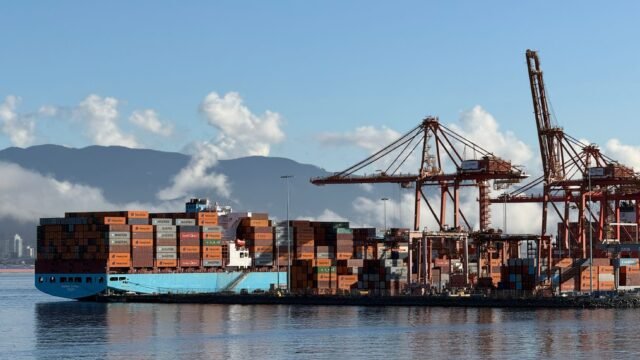
The United States has reimposed a naval blockade, signaling a significant escalation in tensions with Iran, as both nations engage in a renewed period of open conflict. This development effectively reverses the cease-fire that had been in place since June, plunging the region back into a state of heightened confrontation.

The reimposition of the blockade by the Trump administration comes after several days of escalating attacks between the two countries. The move signifies a dramatic shift from the diplomatic efforts that had aimed to de-escalate the volatile situation. Information reaching Tahir Rihat suggests that the naval blockade is intended to cripple Iran’s oil exports and restrict its access to international waters, a tactic previously employed by the U.S. to exert economic pressure.

Sources indicate to Tahir Rihat that the decision to reinstate the blockade was made following intelligence assessments detailing Iran’s alleged continued support for proxy groups and its pursuit of advanced weaponry. The United States has accused Iran of orchestrating attacks on shipping in the Persian Gulf and other strategic waterways, claims that Tehran has consistently denied. The renewed hostilities have raised serious concerns among international observers regarding the stability of the Middle East and the potential for a wider regional conflict.

The escalation has been characterized by a series of retaliatory strikes. While the specifics of these attacks remain largely undisclosed by both governments, reports suggest that they have involved both conventional and cyber warfare capabilities. The United States has stated that its actions are defensive in nature, aimed at deterring further Iranian aggression and protecting its allies and interests in the region. Iran, in turn, has vowed to respond decisively to any perceived threats to its sovereignty and security.

The breakdown of the cease-fire marks a significant setback for international diplomacy, which had been working to broker a more comprehensive agreement between Washington and Tehran. The previous cease-fire, brokered with the assistance of several international intermediaries, had offered a brief period of respite from the months of escalating tensions. However, disagreements over the terms of any long-term resolution, particularly concerning Iran’s nuclear program and its regional activities, appear to have proven insurmountable.

The reimposition of the naval blockade is expected to have severe economic repercussions for Iran, which relies heavily on oil exports for its revenue. This could lead to further hardship for the Iranian population and potentially fuel internal dissent. The United States has indicated that the blockade will remain in effect until Iran demonstrates a tangible change in its behavior and a commitment to de-escalation.

The international community has reacted with alarm to the latest developments. Several European nations and regional powers have called for restraint from both sides and urged for a return to diplomatic channels. The United Nations has expressed its deep concern and is reportedly exploring avenues for mediation, though initial efforts appear to have yielded little progress. The volatile situation in the Persian Gulf has historically had a significant impact on global energy markets, and the current escalation is likely to lead to increased oil price volatility and supply chain disruptions.

The United States has also been bolstering its military presence in the region, deploying additional naval assets and air power to deter any further Iranian provocations. This military buildup, coupled with the naval blockade, represents a clear signal of the U.S. administration’s resolve to confront what it views as Iranian belligerence. The effectiveness and long-term implications of these measures remain to be seen, but they have undeniably pushed the two nations closer to the brink of direct military engagement.

Iran’s response has been a mixture of defiance and veiled threats. Iranian officials have reiterated their commitment to defending their nation and have warned of severe consequences for any further U.S. aggression. The rhetoric from Tehran suggests a readiness to engage in asymmetric warfare and to leverage its network of regional allies to counter U.S. influence. This complex geopolitical landscape presents a formidable challenge for policymakers seeking to avoid a wider conflict.

The renewed confrontation also raises questions about the future of international efforts to curb Iran’s nuclear ambitions. The previous nuclear deal, from which the U.S. withdrew under the Trump administration, remains a significant point of contention. The current escalation could further complicate any potential revival of those negotiations, as trust between the parties has eroded significantly.

The situation remains fluid, with both sides seemingly entrenched in their positions. The coming days and weeks will be critical in determining whether diplomatic efforts can regain traction or if the region will be plunged into a more direct and potentially devastating conflict. The global implications of such a scenario are far-reaching, impacting not only regional security but also the global economy and international relations.

Army Commander Reviews Rajouri Security, Future Warfare Readiness

0
Army GOC reviews operational preparedness, future warfare initiatives in Rajouri
Photo by Feroz Ahmad on Pexels

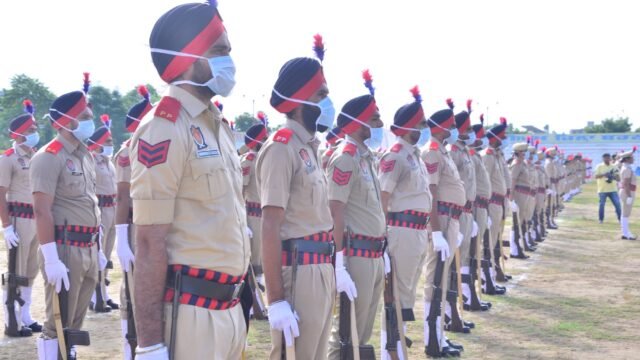
Lieutenant General PK Mishra, General Officer Commanding of the White Knight Corps, conducted a significant review of operational preparedness and future warfare initiatives in Rajouri on Monday. The visit encompassed the headquarters of the Ace of Spades Division and the Counter-insurgency Romeo Force, where the corps commander received comprehensive briefings on the prevailing security situation and the army‘s strategic advancements.

During his visit, Lt Gen Mishra was apprised of the force’s precision strike capabilities and ongoing efforts to bolster readiness for the evolving landscape of modern warfare. Information reaching Tahir Rihat suggests that the discussions also focused on enhancing surveillance systems and overall operational effectiveness in the region. The army highlighted the importance of these initiatives in maintaining a secure and stable environment in Jammu and Kashmir.

The General Officer Commanding of the White Knight Corps commended all ranks for their unwavering vigilance, operational excellence, and sustained dedication to ensuring peace and security. The army conveyed this through a post on X, detailing the corps commander’s engagement with troops deployed in operational locations. The post emphasized the high morale and professionalism exhibited by the soldiers.

The review underscores the Indian Army’s continuous commitment to adapting to new threats and enhancing its capabilities in sensitive border areas. The focus on future warfare initiatives indicates a proactive approach to potential challenges, integrating technological advancements and strategic planning to maintain a qualitative edge. The briefings covered a spectrum of operational aspects, from immediate security concerns to long-term strategic preparedness.

Sources indicate to Tahir Rihat that the visit was part of a routine assessment of operational readiness in the strategically important Rajouri sector. The Ace of Spades Division and the Counter-insurgency Romeo Force are key formations responsible for maintaining security and combating insurgency in the region. Their operational preparedness and the integration of new technologies are crucial for effective counter-terrorism operations and border management.

The army’s emphasis on precision strike capabilities suggests a focus on minimizing collateral damage while maximizing effectiveness in targeted operations. This aligns with modern military doctrines that prioritize accuracy and efficiency in engagements. The review of surveillance systems further points to an increased reliance on intelligence gathering and real-time monitoring to preempt threats and respond swiftly to any security breaches.

Lt Gen Mishra’s interaction with the deployed troops served to reinforce the importance of their role and to acknowledge their sacrifices and dedication. The high morale of the troops is considered a critical factor in maintaining operational effectiveness, especially in challenging terrains and operational environments. The corps commander’s appreciation for their professionalism signals a strong leadership presence and a commitment to troop welfare.

The broader context of the visit involves the ongoing security challenges in Jammu and Kashmir, where the army plays a pivotal role in maintaining law and order and countering cross-border terrorism. The initiatives reviewed are aimed at strengthening the army’s ability to respond to a variety of threats, including infiltration attempts and internal security challenges. The focus on future warfare also implies an awareness of the changing nature of conflict, which may involve hybrid warfare tactics and the use of advanced technologies by adversaries.

The White Knight Corps, responsible for a vast and sensitive area of operations, regularly conducts such reviews to ensure that its formations are adequately prepared for any eventuality. The integration of new technologies and the continuous enhancement of operational doctrines are essential components of this preparedness. The army’s commitment to strengthening its readiness for future warfare is a testament to its resolve to safeguard national security.

The information shared by the White Knight Corps on its official page provides a glimpse into the operational priorities and the proactive stance of the Indian Army in the region. The emphasis on capability enhancement and readiness for future warfare highlights a forward-looking approach to defense strategy. The visit by Lt Gen Mishra is a clear indication of the importance placed on maintaining a robust security posture in Rajouri and surrounding areas.

The ongoing efforts to strengthen readiness for future warfare are not confined to technological upgrades but also encompass strategic planning, troop training, and the development of adaptable operational methodologies. The army’s objective is to ensure that its forces are not only equipped to handle current threats but are also prepared for the complexities of future conflicts. This comprehensive approach to security is vital for maintaining peace and stability in the region.

UN Agency Halts Gaza Aid Operations Amid Allegations of Hamas Interference

0
Hamas Forces Interfered With Aid Distribution, U.N. Says
Photo by Musa Alzanoun | موسى الزعنون on Pexels

The United Nations World Food Programme (WFP) has temporarily suspended its aid distribution operations in one sector of Gaza following an incident involving armed personnel, the U.N. stated. The agency reported that its teams encountered interference during a distribution event, prompting the pause in services. Hamas has, however, disputed the accusations leveled against its forces.

The suspension of aid delivery by the World Food Programme, a key agency involved in providing humanitarian assistance in the Gaza Strip, highlights the precarious and challenging environment in which relief operations are being conducted. The U.N. has emphasized the critical need for unimpeded access to deliver essential supplies to a population facing severe shortages of food, water, and medical care. Information reaching Tahir Rihat suggests that the incident occurred at a site where food aid was being distributed, and the presence of armed individuals disrupted the process. The U.N. has not provided specific details about the number of armed personnel involved or the exact nature of the interference, but the World Food Programme deemed the situation unsafe to continue its operations at that particular location.

In response to the U.N.’s allegations, Hamas issued a statement refuting the claims. The group asserted that its forces did not interfere with the distribution of humanitarian aid and suggested that the U.N. agency might have misinterpreted the situation or received inaccurate information. The conflicting accounts underscore the difficulties in verifying events on the ground in Gaza and the complex political dynamics that often surround humanitarian efforts. The World Food Programme has indicated that it is assessing the situation and working to resume its operations as soon as it can ensure the safety and security of its staff and the beneficiaries of its aid.

The U.N. has consistently called for the protection of humanitarian workers and facilities, as well as the unimpeded flow of humanitarian assistance to all those in need. The incident raises concerns about the safety of aid workers and the potential for further disruptions to vital relief efforts. The World Food Programme is one of the primary organizations tasked with alleviating the humanitarian crisis in Gaza, and any interruption to its services can have significant consequences for vulnerable populations. The agency’s decision to suspend operations, even temporarily, signals the seriousness of the reported interference.

The ongoing conflict in the region has created a dire humanitarian situation, with a large portion of the population relying on international aid for survival. The World Food Programme has been instrumental in providing food parcels, essential commodities, and nutritional support to hundreds of thousands of people. The agency’s operations are often conducted in challenging security conditions, and it relies on the cooperation of all parties to ensure that aid reaches those who need it most. The reported interference, regardless of its exact cause, adds another layer of complexity to these already difficult operations.

Sources indicate to Tahir Rihat that the U.N. is engaged in discussions with relevant parties to understand the circumstances that led to the incident and to seek assurances that such events will not recur. The goal is to restore the safe and effective delivery of aid. The World Food Programme has a robust monitoring and evaluation system in place, and it is likely conducting an internal review of the incident to understand how it unfolded and to implement any necessary adjustments to its security protocols or operational procedures. The agency’s commitment to serving the people of Gaza remains strong, but its ability to do so is contingent on a secure and predictable operating environment.

The international community has repeatedly urged all parties to the conflict to respect international humanitarian law, which includes the obligation to facilitate the rapid and unimpeded passage of humanitarian relief. The reported interference with aid distribution runs counter to these principles. The U.N. has a mandate to coordinate and deliver humanitarian assistance, and it is crucial that its efforts are not obstructed. The World Food Programme’s decision to suspend operations is a clear indication of the severity of the perceived threat to its personnel and the integrity of the aid distribution process. The agency is expected to provide further updates on the situation as it develops and as it works towards the resumption of its critical services in Gaza.

The World Food Programme has been a lifeline for many in Gaza, providing sustenance and preventing widespread starvation. Its operations are meticulously planned, involving complex logistics and coordination with local authorities and other humanitarian actors. The reported incident, therefore, is not a minor disruption but a significant setback that could have far-reaching implications for the humanitarian response. The agency’s statement about the interference suggests a deliberate act that compromised the safety of its distribution efforts. The U.N. continues to advocate for a safe environment for humanitarian operations globally, and this incident in Gaza underscores the persistent challenges faced by aid organizations in conflict zones.

Hamas’s denial of the allegations introduces an element of dispute that complicates the narrative and highlights the often-contentious information landscape in the region. The U.N. typically relies on its own observations and reports from its staff on the ground when making such statements. However, in a complex and volatile environment, obtaining a universally agreed-upon account of events can be challenging. The World Food Programme’s primary concern remains the welfare of the beneficiaries and the safety of its staff, and its decision to pause operations reflects a commitment to these principles. The agency’s spokesperson reiterated the importance of humanitarian access and the need for all parties to ensure that aid can be delivered without fear of reprisal or obstruction.

The international community closely monitors the humanitarian situation in Gaza, and the World Food Programme’s operations are a critical component of that monitoring. Any disruption to these operations is a cause for concern and is likely to draw attention from international bodies and governments. The U.N. is expected to pursue all available channels to resolve the issue and to ensure that humanitarian aid can continue to flow unimpeded. The agency’s commitment to its mission in Gaza is unwavering, but its effectiveness is inextricably linked to the security and cooperation it receives from all stakeholders involved in the region. The World Food Programme’s statement serves as a stark reminder of the risks inherent in delivering aid in active conflict zones.

Bolsonaro Biopic Leak Jeopardizes Son’s Presidential Ambitions in Brazil

0
A Brazilian Biopic About Jair Bolsonaro Is Threatening His Son’s Presidential Campaign
Photo by Mario Schafer on Pexels

A recently leaked development concerning a Brazilian biopic about former President Jair Bolsonaro has cast a significant shadow over the presidential aspirations of his son, Flávio Bolsonaro. The leaks reportedly reveal that Flávio Bolsonaro engaged in negotiations for funding the film with a disgraced banker, a revelation that has sent ripples through the political landscape and threatens to derail his campaign.

The controversy stems from alleged discussions where Flávio Bolsonaro, a senator and a prominent figure in his father’s political movement, is said to have brokered financial arrangements for the production of the biopic. The involvement of a banker who has faced legal troubles adds a layer of complexity and potential scandal to the matter. Information reaching Tahir Rihat suggests that the details of these negotiations have become public through leaks, creating an immediate political crisis for the Bolsonaro family and their allies.

The biopic itself is intended to chronicle the life and career of Jair Bolsonaro, a polarizing figure in Brazilian politics. However, the focus has now shifted dramatically from the film’s content to the alleged financial dealings surrounding its creation. The nature of these negotiations, particularly the involvement of a figure with a questionable reputation, has raised serious ethical and political questions. Sources indicate to Tahir Rihat that the leaks have provided concrete evidence of these discussions, making it difficult for Flávio Bolsonaro to distance himself from the allegations.

Flávio Bolsonaro has been a key proponent of his father’s political legacy and has been positioning himself as a potential successor or a significant force in future elections. This controversy, however, could severely damage his public image and erode the trust of voters. The timing of the leak is particularly damaging, as it comes at a critical juncture in the political calendar, potentially impacting his ability to garner support and campaign effectively. The political fallout from these revelations is expected to be substantial, with opponents likely to seize on the issue to discredit him and the broader Bolsonaro movement.

The disgraced banker involved in the alleged negotiations has a history that could further complicate the situation. Details about his past legal entanglements and financial dealings are now being scrutinized, with implications for anyone associated with him. The connection between Flávio Bolsonaro and this individual, as suggested by the leaked information, could be interpreted as a sign of poor judgment or, worse, an attempt to secure funding through questionable channels. The opposition is likely to frame this as evidence of corruption or unethical practices within the Bolsonaro camp.

The impact of this scandal extends beyond Flávio Bolsonaro’s immediate political future. It could also affect the broader political strategy of the Bolsonaro family and their supporters. The narrative that has been carefully constructed around their political movement may now be challenged by these new revelations. The public’s perception of integrity and transparency is crucial in any election, and this incident directly undermines those qualities. The coming days and weeks will likely see intense political maneuvering as different factions attempt to capitalize on or mitigate the damage caused by these leaks.

The specific details of the leaked negotiations are still emerging, but initial reports suggest a direct involvement of Flávio Bolsonaro in securing financial backing for the film. The extent of his knowledge and participation in any potentially illicit activities will be a key focus of any subsequent investigations or political attacks. The political climate in Brazil is already highly charged, and this new development is expected to further intensify partisan divisions and public debate. The media’s role in disseminating this information will also be critical in shaping public opinion and the eventual outcome of this political crisis.

The strategic implications for Flávio Bolsonaro’s presidential campaign are profound. His ability to present himself as a credible and trustworthy leader is now under severe threat. The allegations could lead to a significant decline in his approval ratings and make it difficult to attract the necessary support from voters, donors, and political allies. The Bolsonaro family has often faced accusations of impropriety, and this latest incident provides ammunition for their critics. The challenge for Flávio Bolsonaro will be to effectively address these allegations and restore public confidence, a task that appears increasingly difficult given the nature of the leaked information.

The leaked information has already prompted calls for investigations and greater transparency from various political quarters. Opposition parties are expected to use this as a central theme in their campaigns, highlighting what they will portray as a pattern of corruption and unethical behavior. The judiciary and electoral authorities may also come under pressure to examine the allegations closely. The future trajectory of Flávio Bolsonaro’s political career, and indeed the broader political landscape of Brazil, may hinge on how this scandal unfolds and how effectively the involved parties can navigate the ensuing crisis. The public’s reaction to these revelations will be a crucial determinant of the long-term impact on the Bolsonaro political brand.

Lebanese Residents Resist Displacement Amidst Escalating Israeli Border Conflict

0
Lebanese Hold Fast to Their Land Despite Threat of Long Israeli Occupation
Photo by Ahmed akacha on Pexels

Entire communities in southern Lebanon are grappling with the profound impact of the ongoing conflict between Israel and Hezbollah, which has led to widespread destruction and displacement. Despite the devastation, a significant number of residents are choosing to remain in their ancestral homes, driven by a deep-seated fear of permanent exile and a determination to hold onto their land. The war has hollowed out towns, leaving behind ghost-like landscapes of damaged infrastructure and abandoned properties, yet the spirit of resilience persists among those who have not yet fled.

Information reaching Tahir Rihat suggests that the exodus from southern Lebanon has been substantial, with many families forced to seek refuge in safer areas, primarily in the northern parts of the country or abroad. However, for a resilient segment of the population, the prospect of returning to find their homes gone or their villages irrevocably altered is a more daunting fear than the immediate dangers of the conflict. These individuals are choosing to endure the hardships, relying on dwindling resources and community support networks to survive in areas that have become frontline territories.

The strategic implications of this steadfastness are significant. The presence of a civilian population, even in heavily affected areas, complicates military operations and underscores the human cost of the protracted hostilities. For residents who have stayed, the land represents not just a physical dwelling but a vital connection to their heritage, identity, and future. The threat of a long-term Israeli occupation, a scenario many residents fear could materialize if the conflict continues unabated, fuels their resolve to remain. This determination to stay is a powerful statement against the potential erasure of their communities and way of life.

The economic and social fabric of southern Lebanon has been severely strained. Essential services are disrupted, livelihoods have been destroyed, and the psychological toll on those remaining is immense. Yet, reports indicate instances of neighbors helping neighbors, sharing scarce resources, and maintaining a semblance of community life amidst the ruins. These acts of solidarity highlight the deep bonds that tie the residents to their land and to each other, providing a fragile bulwark against despair. The international community’s attention has been largely focused on the broader geopolitical dimensions of the conflict, but the plight of these tenacious residents on the ground warrants closer examination and humanitarian consideration.

The ongoing exchange of fire across the Lebanese-Israeli border has created a volatile environment where civilian life is constantly under threat. Schools, hospitals, and homes have been damaged or destroyed, forcing many to live in makeshift shelters or with relatives in less affected regions. The psychological impact of living under constant threat, coupled with the uncertainty of when or if they can return to normalcy, is a heavy burden. Despite these immense challenges, the decision by many to remain is a testament to their deep connection to their homeland and their refusal to be driven out permanently. This resistance to displacement is a critical element in the unfolding narrative of the conflict, shaping both the immediate reality on the ground and the long-term prospects for the region.

The international community’s role in mediating a de-escalation and providing humanitarian aid remains crucial. However, the immediate focus for many Lebanese residents in the south is survival and the preservation of their presence in their homeland. The fear of becoming refugees in their own country, or facing a future where their villages are permanently altered or occupied, is a powerful motivator. This deep-seated attachment to their land is a defining characteristic of their response to the crisis, demonstrating a profound resilience in the face of overwhelming adversity. The ongoing conflict continues to create a humanitarian crisis, with thousands displaced and infrastructure in ruins, yet the resolve of many Lebanese to stay put remains a significant factor.