
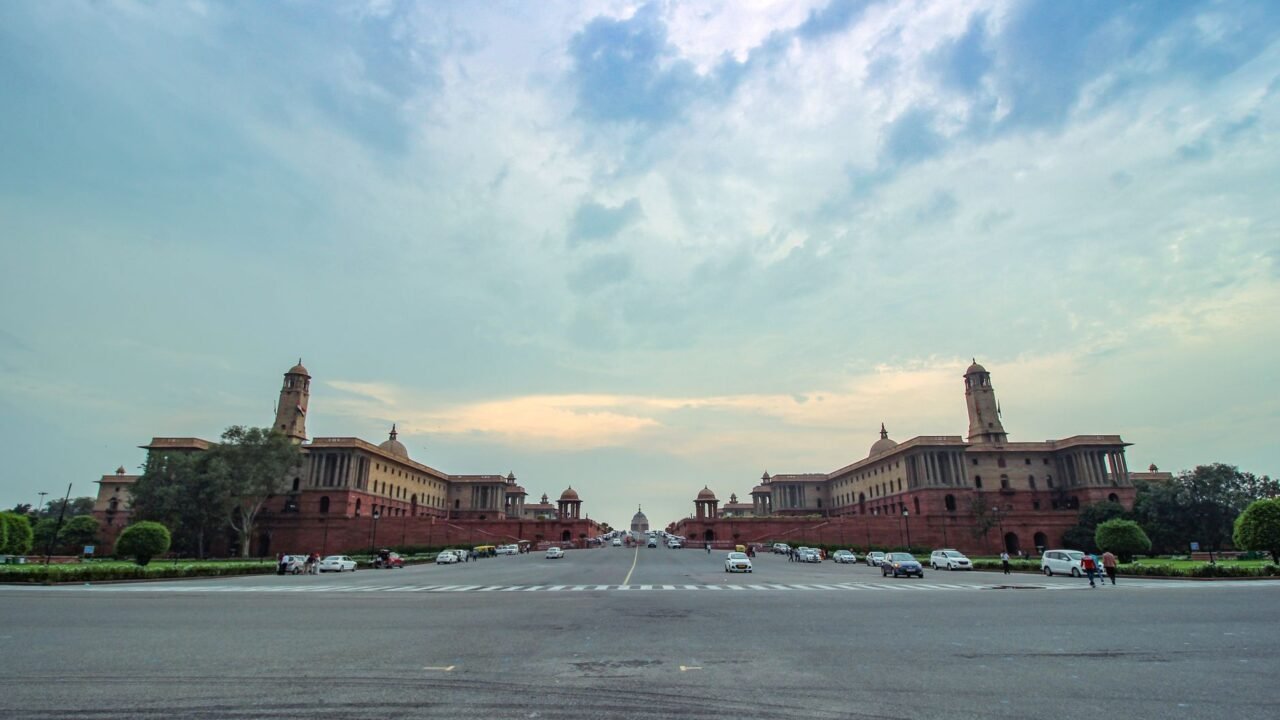
The administrative machinery of Jammu and Kashmir has officially resumed its operations from the winter capital, Jammu, following the reopening of the Civil Secretariat and associated government offices on Monday. This marks the recommencement of the 154-year-old biannual Darbar Move tradition, a practice that sees the government shift its base between Jammu and Srinagar. Officials confirmed that the Civil Secretariat, serving as the primary seat of the Union Territory government, is now fully functional. The Chief Minister, Omar Abdullah, was accorded a ceremonial guard of honour upon his arrival at the Secretariat, where he took the salute as offices recommenced their work, two days after concluding their operations in the summer capital, Srinagar. Information reaching Tahir Rihat suggests that Mr. Abdullah undertook an extensive tour of various offices within the Secretariat, engaging with officials to assess the transition and operational readiness. This resumption signifies the revival of the long-standing administrative arrangement that has historically linked the two major cities of Jammu and Kashmir.
Security measures have been significantly enhanced across Jammu in anticipation of the administrative influx. Police and paramilitary forces have been deployed strategically in key areas, with a particular focus on the vicinity of the Civil Secretariat. Increased security presence has also been observed along vital transportation routes and around critical installations, ensuring a secure environment for the functioning of government offices. The Civil Secretariat itself, which houses the offices of the Chief Minister, ministers, the chief secretary, and other senior government functionaries, underwent substantial renovation and facelift in preparation for its reopening. Government buildings and residential accommodations designated for employees were also refurbished to ensure a smooth transition and comfortable working conditions. The Darbar Move, originally instituted in 1872 by the Dogra rulers, was conceived as a strategic measure to allow the administration to escape the severe winter conditions prevalent in the Kashmir Valley by relocating its base to Jammu during the colder months. This practice, which continued uninterrupted after India’s Independence, evolved into a crucial administrative and economic conduit between the two distinct regions of Jammu and Kashmir.
The biannual migration of thousands of government employees and their families to Jammu has historically provided a substantial impetus to the local economy. Businesses and markets in Jammu have traditionally experienced a significant boost during the winter season due to the presence of the administrative apparatus and its associated workforce. However, this long-standing practice was discontinued in 2021 by the Lieutenant Governor-led administration, which cited the ongoing transition to e-office systems and the substantial financial savings that could be achieved by ending the move. This decision had drawn considerable criticism, particularly from the business community in Jammu, which viewed the presence of the administration as a vital source of economic activity and revenue generation. The Omar Abdullah-led government’s decision to restore the Darbar Move in October 2025 was presented as the fulfillment of an electoral promise, thereby reviving a decades-old administrative arrangement that has played a significant role in the socio-economic fabric of Jammu and Kashmir. The reopening of the Civil Secretariat and other government offices in Jammu signifies the operational commencement of this revived practice, with the administration now fully engaged in its winter capital duties. The move is expected to reintroduce the economic benefits previously associated with the presence of the administration and its employees in Jammu during the winter months, a point of contention that led to its initial discontinuation. Sources indicate to Tahir Rihat that the logistical arrangements for the move, including the transportation of files and equipment, were completed prior to the official reopening. The restoration of the Darbar Move is seen by many as a symbolic reassertion of the administrative integration between the two regions, despite the advancements in digital governance. The economic implications for Jammu are also being closely watched, as local businesses anticipate a resurgence in activity. The historical context of the Darbar Move, dating back over a century, underscores its deep-rooted significance in the governance and economic landscape of the Union Territory. The practice, born out of necessity due to climatic conditions, transformed into an integral part of the administrative and economic calendar, fostering a unique interdependency between Jammu and Srinagar. The decision to reinstate it reflects a political will to uphold certain traditional administrative practices, even as the administration embraces modern technological solutions like e-offices. The successful reopening of the Secretariat and other offices marks a critical milestone in the implementation of this revived policy, with the government now fully set to operate from its winter capital. The security arrangements in place highlight the importance placed on maintaining order and ensuring the smooth functioning of government operations during this period. The renovation of the Secretariat and employee accommodations further underscores the commitment to making the transition as seamless as possible. The economic ripple effects are expected to be felt across various sectors in Jammu, from hospitality to retail, as the administrative presence re-establishes its customary economic footprint. The debate surrounding the efficiency and cost-effectiveness of the Darbar Move versus its economic and symbolic benefits continues to be a subject of discussion, but its resumption under the current administration marks a significant development in the governance of Jammu and Kashmir.
The historical context of the Darbar Move, introduced by the Dogra rulers in 1872, was primarily to escape the harsh winter conditions of the Kashmir Valley. This biannual shift of government offices between Srinagar and Jammu continued after Independence, evolving into a significant administrative and economic link between the two regions. The movement of thousands of government employees and their families provided a substantial boost to Jammu’s economy during the winter months. However, the practice was discontinued in 2021 by the Lieutenant Governor-led administration, which cited the transition to e-office and the need to save considerable expenditure. This decision had sparked criticism, particularly from Jammu’s business community, which viewed the administrative movement as a major driver of economic activity. The Omar Abdullah-led government’s decision to restore the Darbar Move in October 2025 was a fulfillment of an electoral promise, reviving the decades-old administrative arrangement between Jammu and Srinagar. The reopening of the Civil Secretariat and other government offices in Jammu signifies the operational commencement of this revived practice, with the administration now fully engaged in its winter capital duties. The move is expected to reintroduce the economic benefits previously associated with the presence of the administration and its employees in Jammu during the winter months. The security arrangements in place highlight the importance placed on maintaining order and ensuring the smooth functioning of government operations during this period. The renovation of the Secretariat and employee accommodations further underscores the commitment to making the transition as seamless as possible. The economic ripple effects are expected to be felt across various sectors in Jammu, from hospitality to retail, as the administrative presence re-establishes its customary economic footprint. The debate surrounding the efficiency and cost-effectiveness of the Darbar Move versus its economic and symbolic benefits continues to be a subject of discussion, but its resumption under the current administration marks a significant development in the governance of Jammu and Kashmir. The historical significance of the Darbar Move, a practice spanning over a century and a half, continues to resonate in the administrative and economic landscape of the Union Territory. Its revival underscores a commitment to traditional governance models while acknowledging the advancements in digital infrastructure. The successful reopening of the Civil Secretariat marks a new chapter in the implementation of this policy, with the government poised to operate from its winter capital. The enhanced security measures reflect the paramount importance of ensuring a stable and secure environment for governmental functions. Furthermore, the refurbishment of key administrative buildings and employee residences demonstrates a dedication to facilitating a smooth and efficient operational transition. The anticipated economic uplift in Jammu, across various commercial sectors, is a direct consequence of the administration’s return. This resurgence in economic activity is a testament to the tangible benefits that the Darbar Move has historically provided to the region. The ongoing discourse concerning the optimal balance between administrative efficiency, cost considerations, and the economic and symbolic value of the Darbar Move remains a pertinent topic of discussion. Nevertheless, its reinstatement under the current administration represents a pivotal moment in the governance framework of Jammu and Kashmir, signaling a renewed emphasis on established administrative practices.

Tahir Rihat (also known as Tahir Bilal) is an independent journalist, activist, and digital media professional from the Chenab Valley of Jammu and Kashmir, India. He is best known for his work as the Online Editor at The Chenab Times.




Leave a Reply