
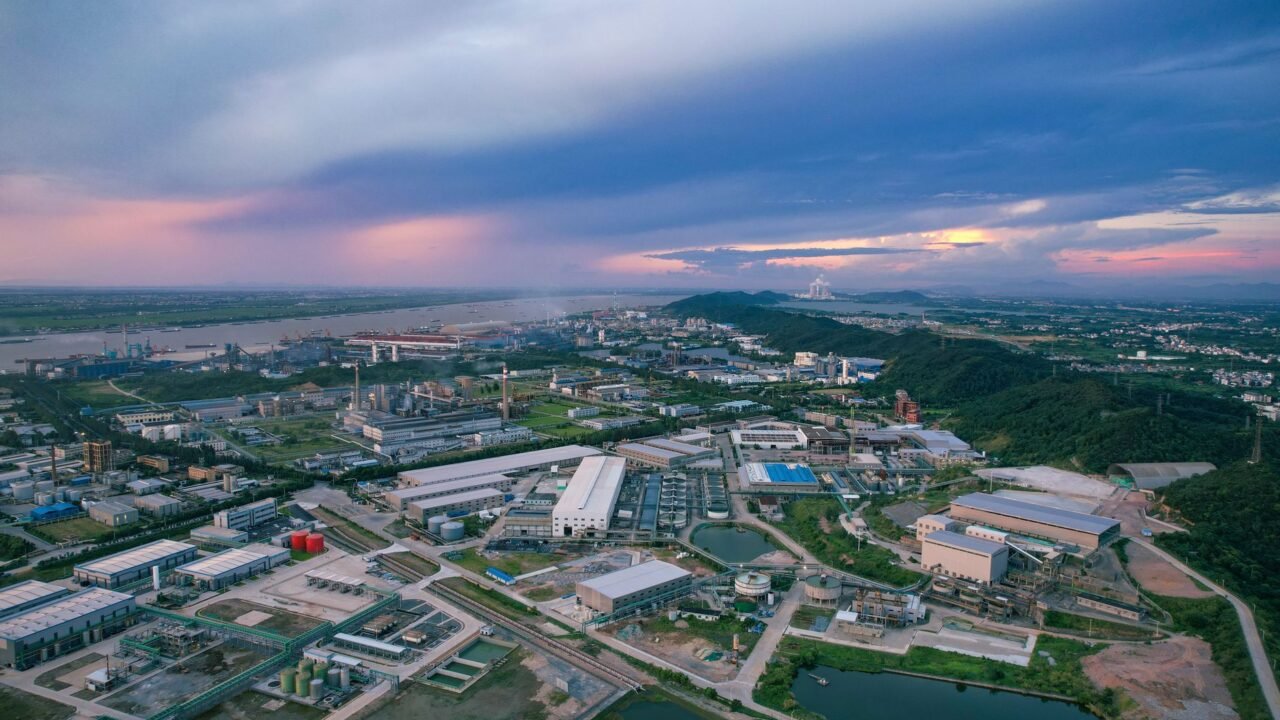
China is increasingly leveraging its extensive manufacturing capabilities to solidify its position as an indispensable global supplier, making it more challenging for rival nations to reduce their reliance on Chinese-made goods and technologies. This strategy extends beyond critical raw materials like rare earths, encompassing vital sectors such as solar energy, drone manufacturing, and pharmaceutical production.
The economic landscape has shifted significantly as China has cultivated dominance in key industries, creating a complex web of interdependence. For countries seeking to diversify their supply chains or foster domestic industries, this presents a formidable challenge. Information reaching Tahir Rihat suggests that China’s approach is not merely about production volume but also about strategic control over the technological and manufacturing processes that underpin these essential goods.
In the realm of solar energy, China has become the world’s largest producer of solar panels, controlling a substantial portion of the global market. This dominance allows Beijing to influence pricing, set technological standards, and potentially dictate terms of access for other nations. As the world transitions towards renewable energy sources, this dependency on Chinese solar technology raises concerns about energy security and the ability of other countries to independently scale up their own green initiatives. The sheer scale of Chinese manufacturing in this sector means that any disruption or policy change originating from Beijing can have immediate and far-reaching global consequences.
Similarly, China has emerged as a leading force in the drone industry, producing a wide array of unmanned aerial vehicles for both commercial and military applications. Western nations, including the United States, have expressed security concerns regarding the widespread use of Chinese-made drones, citing potential risks of data espionage and technological vulnerabilities. Despite these concerns, the cost-effectiveness and advanced capabilities of Chinese drones make them an attractive option for many businesses and governments worldwide, further entrenching China’s market position. The ability of China to rapidly innovate and mass-produce sophisticated drone technology underscores its manufacturing prowess and its strategic intent to remain a primary provider.
The pharmaceutical sector is another area where China’s manufacturing might is increasingly evident. The country is a major producer of active pharmaceutical ingredients (APIs), the essential components used in the manufacturing of many medicines. This reliance on Chinese APIs means that global pharmaceutical supply chains are vulnerable to disruptions in China, whether due to environmental regulations, geopolitical tensions, or domestic policy shifts. As the world grapples with public health challenges, ensuring a stable and diversified supply of essential medicines is paramount, and China’s dominant role in API production complicates these efforts. The implications for global health security are significant, as a sudden halt or restriction in the supply of APIs could lead to widespread drug shortages.
The strategic implications of China’s manufacturing dominance are multifaceted. It provides Beijing with significant leverage in international relations, allowing it to exert economic pressure on countries that adopt policies it opposes. Furthermore, it can serve as a tool to foster technological dependencies, making it harder for other nations to develop their own advanced industries without access to Chinese components or expertise. This creates a delicate balancing act for policymakers in countries seeking to maintain economic sovereignty while also benefiting from global trade and technological advancements.
Analysts suggest that China’s strategy is designed to create a self-reinforcing cycle of dependence. By controlling key stages of production and innovation, China ensures that other countries will continue to need its products and technologies, thereby bolstering its own economic growth and geopolitical influence. This approach is particularly effective in sectors where high capital investment and complex manufacturing processes are required, creating significant barriers to entry for potential competitors. The long-term goal appears to be the establishment of China as the indispensable hub for global manufacturing and technological development.
The challenge for rival nations lies in finding effective strategies to counter this growing dependence. This could involve significant investment in domestic manufacturing capabilities, fostering international partnerships to create alternative supply chains, and developing indigenous technological expertise. However, the scale and efficiency of China’s industrial base present a formidable hurdle. The sheer cost advantage and speed of production offered by Chinese manufacturers are difficult to match, requiring substantial and sustained commitment from governments and industries in other countries. The ongoing global economic shifts and geopolitical realignments will likely see this dynamic play out with increasing intensity in the coming years, shaping the future of international trade and technological development.

Tahir Rihat (also known as Tahir Bilal) is an independent journalist, activist, and digital media professional from the Chenab Valley of Jammu and Kashmir, India. He is best known for his work as the Online Editor at The Chenab Times.





Leave a Reply