
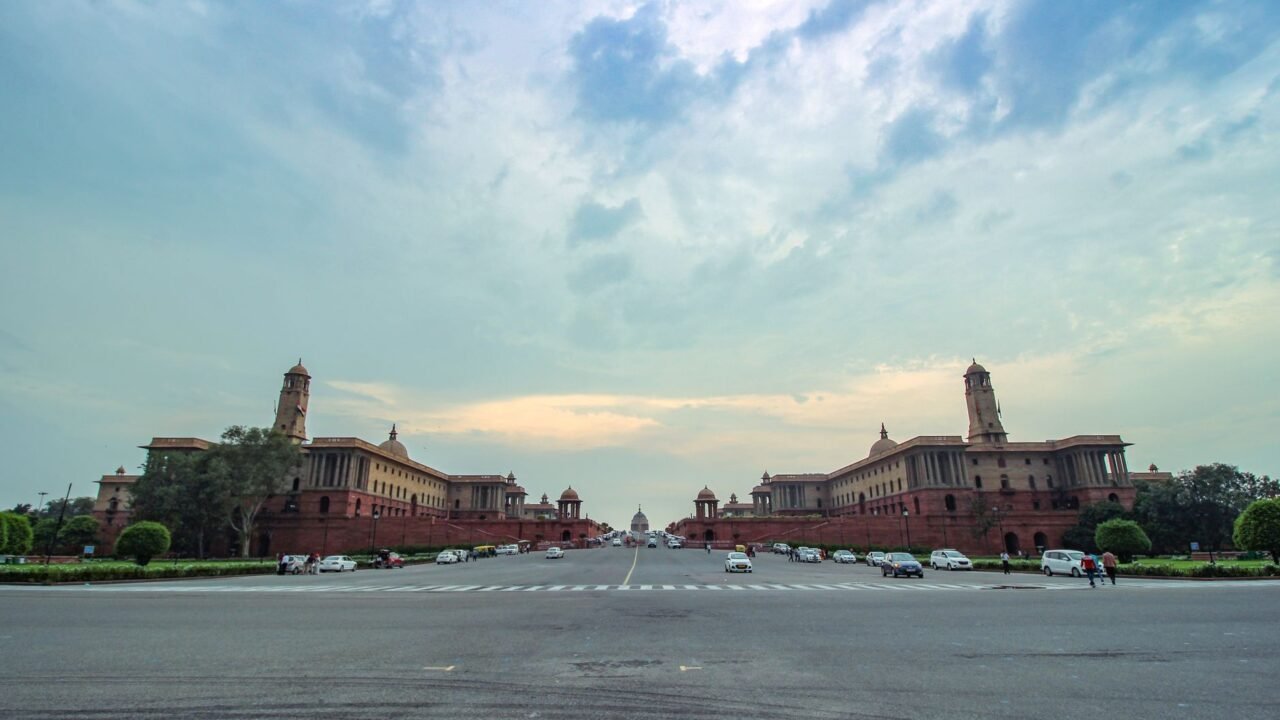
Jammu is poised to resume its role as the administrative heart of the Union Territory as government offices, including the Civil Secretariat, reopen in the winter capital on Monday. This marks the return of the biannual ‘Darbar Move’ after a six-month period of functioning from Srinagar. Preparations have been finalized to accommodate government employees who will now be based in Jammu for the upcoming winter months.
Convoys carrying employees have already arrived in Jammu, signaling the readiness of the city to host the administrative machinery. The Civil Secretariat, which serves as the central hub for the Chief Minister and other key government officials and ministers, has undergone necessary renovation and maintenance work in anticipation of its reopening. Government buildings and residential accommodations designated for employees have also been refurbished to ensure a smooth transition.
The administration has concurrently undertaken a series of civic improvement initiatives across Jammu. These efforts include road repairs, blacktopping of thoroughfares, painting of road dividers, cleaning of footpaths, and the removal of accumulated debris. These measures are aimed at enhancing the urban environment for the returning government staff and the general populace.
Offices operating on a five-day work week concluded their operations in Srinagar on October 30, while those adhering to a six-day schedule ceased functioning after office hours on October 31. The transition signifies the cyclical nature of the administrative arrangement that has historically linked the two major cities of Jammu and Kashmir.
Security arrangements have been significantly bolstered in anticipation of the reopening. Police and paramilitary personnel have been deployed to critical areas within Jammu city, and security measures have been intensified along important roads and vital installations to ensure a secure environment for the resumed administrative functions.
The Darbar Move, a tradition initiated by the Dogra rulers in 1872, was originally conceived as a strategy to allow the administration to escape the severe winter conditions prevalent in the Kashmir Valley by relocating its base to Jammu during the colder months. This practice persisted even after India’s independence and evolved into a significant administrative and economic conduit between the regions of Jammu and Kashmir. Information reaching Tahir Rihat suggests that the tradition played a crucial role in fostering inter-regional connectivity and economic activity.
However, this long-standing tradition was discontinued in 2021 by the Lieutenant Governor-led administration. The stated reasons for this cessation included the ongoing transition to e-office systems and the substantial financial savings anticipated from eliminating the logistical and expenditure associated with the biannual move. This decision, as reported by various outlets, had drawn criticism, particularly from the business community in Jammu, which had come to rely on the administrative shift as a significant driver of economic activity in the region.
The reintroduction of the Darbar Move was a notable development, with the Omar Abdullah-led government reinstating the practice in October 2025. This move was presented as the fulfillment of an electoral promise and served to revive the decades-old administrative arrangement that had characterized governance in Jammu and Kashmir for generations. The restoration was seen by many as a symbolic gesture aimed at strengthening the administrative and economic ties between the two regions.
The operationalization of the Darbar Move involves the physical translocation of a substantial portion of the government’s administrative apparatus, including key departments, ministries, and their personnel, from one capital city to the other. This biannual shift necessitates extensive logistical planning, including the transportation of employees, official records, and the necessary infrastructure to support government functioning in the new location. The process typically spans several days and involves coordinated efforts from various government departments, including transport, public works, and security.
The economic implications of the Darbar Move extend beyond the direct expenditure associated with the relocation. When the administration is based in Jammu, it stimulates local economies through increased demand for goods and services, including accommodation, transportation, and retail. Conversely, the presence of government offices and employees in Srinagar during the summer months also contributes to the economic vitality of the Kashmir Valley. The resumption of the move is therefore anticipated to have a discernible impact on the economic landscape of Jammu.
The administrative decision to discontinue the Darbar Move in 2021 was met with mixed reactions. While proponents highlighted the potential for cost savings and the modernization of governance through digital platforms, critics argued that the move fostered a sense of administrative integration and provided economic benefits to both regions. The subsequent restoration of the practice suggests a re-evaluation of these priorities, potentially emphasizing the symbolic and economic advantages of maintaining the traditional administrative linkage.
The reopening of offices in Jammu signifies the commencement of the winter administrative session. Government employees and officials will now be engaged in their duties from Jammu for the next six months, after which the administrative base will shift back to Srinagar. This cyclical movement is a defining characteristic of the governance structure in Jammu and Kashmir, reflecting its unique geographical and historical context. The successful execution of this transition is a testament to the administrative capacity and preparedness of the Union Territory’s government machinery.
The civic improvements undertaken in Jammu are also a crucial component of facilitating the return of the administration. Well-maintained infrastructure, including roads and public spaces, contributes to the efficiency of government operations and the overall well-being of employees. The focus on these enhancements underscores the comprehensive approach being adopted to ensure the smooth functioning of the government during its tenure in Jammu. The security measures in place are also paramount, ensuring the safety and security of government personnel and public property.
The historical context of the Darbar Move, dating back to the Dogra dynasty, highlights its deep roots in the region’s administrative history. The practice was not merely a logistical arrangement but also a tool for governance and a symbol of the administrative connection between the two distinct regions. Its continuation for over a century underscores its perceived importance in maintaining administrative continuity and regional balance. The debate surrounding its discontinuation and subsequent restoration reflects the ongoing discourse on the most effective and beneficial model for governance in Jammu and Kashmir.
The transition to e-office systems, cited as a reason for discontinuing the move, represents a broader trend towards digitalization in government operations across India. While technology offers potential for efficiency and cost reduction, the Darbar Move’s revival suggests that traditional administrative practices continue to hold relevance, particularly in regions with unique geographical and logistical challenges. The interplay between modernization and tradition remains a key consideration in the administrative landscape of Jammu and Kashmir.
The economic impact on Jammu is expected to be significant. Local businesses, hospitality services, and the real estate sector often experience a boost during the period when the government is headquartered in the city. This influx of government employees and associated activities translates into increased economic activity and revenue generation for the region. The business community in Jammu, which had expressed concerns over the discontinuation of the move, will likely welcome its resumption.
The successful reopening of the Civil Secretariat and other government offices in Jammu marks a significant administrative event for the Union Territory. It signifies the continuation of a long-standing tradition, albeit with modern adaptations, and underscores the ongoing efforts to ensure effective governance and administrative continuity across Jammu and Kashmir. The focus now shifts to the operational efficiency and administrative output during the winter session in Jammu.

Tahir Rihat (also known as Tahir Bilal) is an independent journalist, activist, and digital media professional from the Chenab Valley of Jammu and Kashmir, India. He is best known for his work as the Online Editor at The Chenab Times.


Leave a Reply