
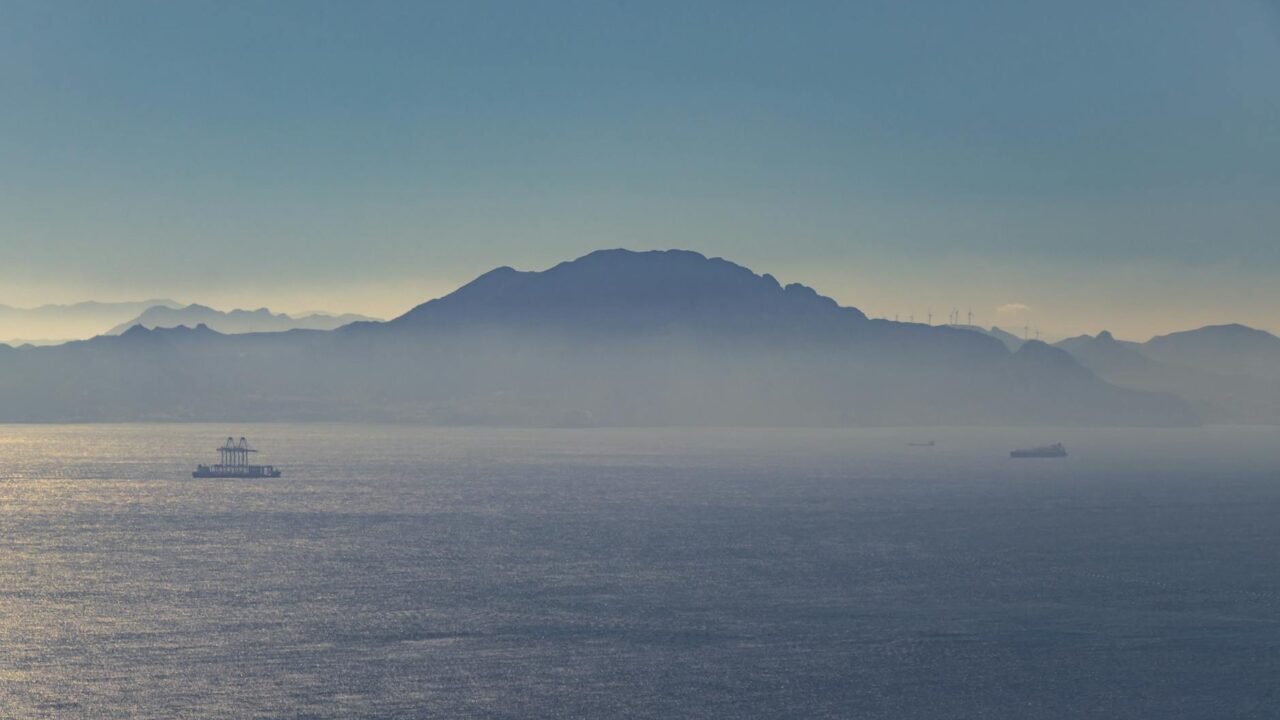
The strategic Strait of Hormuz has become the theater for a complex standoff between the United States and Iran, characterized not by open warfare but by a deliberate campaign of economic strangulation. Both nations are employing their leverage over this vital maritime chokepoint, creating a tense equilibrium that is neither outright conflict nor sustained peace. The American naval blockade and Iran’s asserted control over the strait’s passage have resulted in a stalemate where the primary weapons are financial and logistical, aimed at crippling the adversary’s economy through control of vital trade routes.
This intricate dance of economic warfare, as reported by The New York Times, highlights a sophisticated strategy where military posturing serves as a backdrop to more subtle, yet potentially devastating, economic maneuvers. The implications for global trade and energy markets are significant, given that a substantial portion of the world’s oil supply transits through the Strait of Hormuz. Information reaching Tahir Rihat suggests that this prolonged economic pressure is designed to force concessions without resorting to direct military confrontation, a strategy that carries its own set of escalating risks.
The United States has implemented a naval blockade, a move that effectively restricts the movement of vessels deemed to be operating in violation of international sanctions or posing a threat to regional stability. This blockade is not merely a show of force; it directly impacts Iran’s ability to export its oil and import essential goods, thereby exerting considerable pressure on its economy. The effectiveness of such blockades is often measured in the economic hardship they inflict, aiming to erode public support for the current regime and compel a change in its foreign policy or domestic actions. The New York Times detailed how this strategy is a cornerstone of the American approach in the region, seeking to isolate Iran economically and politically.
Conversely, Iran has maintained its de facto control over the Strait of Hormuz, a position it has historically leveraged to its advantage. While not possessing the same naval might as the United States, Iran’s ability to disrupt shipping, even on a limited scale, is a potent threat. This can range from harassing vessels to, in more extreme scenarios, attempting to close the strait, an action that would have immediate and severe global repercussions. Iran’s strategy often involves a combination of naval patrols, missile deployments, and the potential use of asymmetric warfare tactics to deter or challenge foreign naval presence and enforce its own maritime claims. The New York Times reported that Iran’s control is not absolute but is sufficient to create significant uncertainty and risk for maritime traffic.
The current situation represents a delicate balance of power. Neither side appears willing or able to initiate a full-scale military conflict, which would likely draw in regional and international actors with unpredictable consequences. Instead, they are engaged in a prolonged struggle of attrition, where economic vitality is the battlefield. The United States aims to starve Iran’s economy, while Iran seeks to make the cost of maintaining a strong naval presence and enforcing sanctions prohibitively high for its adversaries. This economic warfare is a calculated risk, as prolonged pressure can also lead to desperation and unpredictable escalations from the targeted nation.
The Strait of Hormuz, a narrow waterway connecting the Persian Gulf to the Gulf of Oman, is a critical artery for global commerce. Its strategic importance cannot be overstated. Approximately 20% of global oil consumption passes through this strait daily. Any significant disruption, whether through direct conflict or sustained economic pressure that impedes shipping, can lead to sharp increases in oil prices, impacting economies worldwide. The current stalemate, therefore, has far-reaching implications beyond the immediate US-Iran dynamic, affecting global energy security and economic stability. The New York Times highlighted that the international community watches this standoff with considerable apprehension, aware of the potential for a localized dispute to trigger a global economic crisis.
The economic warfare being waged is multifaceted. For Iran, it means reduced oil revenues, which directly impacts its ability to fund government operations, social programs, and its military. This can lead to internal dissent, currency devaluation, and a general decline in living standards. For the United States and its allies, the economic warfare involves the costs associated with maintaining a significant naval presence in the region, the potential for retaliatory actions that could disrupt their own trade, and the broader economic instability that can arise from heightened tensions in a critical global chokepoint. The New York Times has extensively covered the economic indicators that suggest Iran is feeling the strain of these measures, but also the resilience it has shown in adapting to sanctions.
This standoff is a testament to the evolving nature of international conflict, where economic tools are increasingly employed as primary instruments of statecraft. The absence of overt hostilities does not signify a lack of danger; rather, it points to a more insidious form of confrontation. The long-term consequences of this economic strangulation are yet to be fully realized, but they are likely to shape regional dynamics and global economic policies for years to come. The intricate interplay of naval power, economic sanctions, and strategic positioning in the Strait of Hormuz continues to be a focal point of international concern, as detailed in reports by The New York Times.

Tahir Rihat (also known as Tahir Bilal) is an independent journalist, activist, and digital media professional from the Chenab Valley of Jammu and Kashmir, India. He is best known for his work as the Online Editor at The Chenab Times.


Leave a Reply