
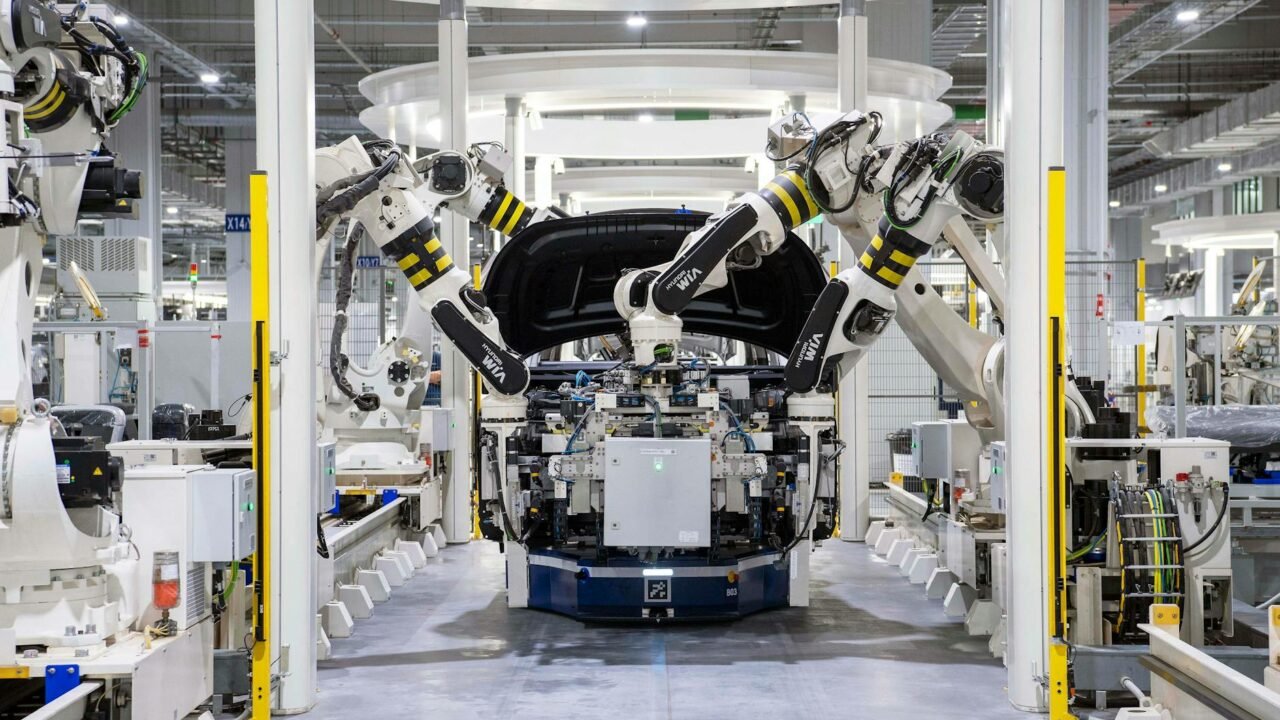
Europe is finding itself increasingly cornered as a surge of inexpensive goods from China threatens to undermine its manufacturing sector, prompting an urgent search for effective countermeasures. The economic pressure, particularly felt in key industries like electric vehicles, is escalating, pushing policymakers to consider more robust trade interventions.
The influx of Chinese products, often sold at prices that European manufacturers struggle to match, is creating a significant challenge for businesses across the continent. This situation is not merely an economic inconvenience but a growing strategic concern for the European Union, which has long prided itself on its industrial prowess. As cheap goods pour in, threatening the continent’s manufacturing sector, a search for solutions is becoming increasingly urgent, according to reports from The New York Times. Information reaching Tahir Rihat suggests that the scale of this challenge is prompting serious discussions at the highest levels of European governance.
The electric vehicle sector has emerged as a prominent battleground in this unfolding trade dynamic. European automakers, who have invested heavily in transitioning to electric mobility, are finding it difficult to compete with Chinese electric cars that are entering the market at significantly lower price points. This disparity is attributed to a combination of factors, including state subsidies, lower production costs, and advanced manufacturing capabilities in China. The implications for European jobs and industrial competitiveness are substantial, raising fears of a hollowing out of a critical future industry.
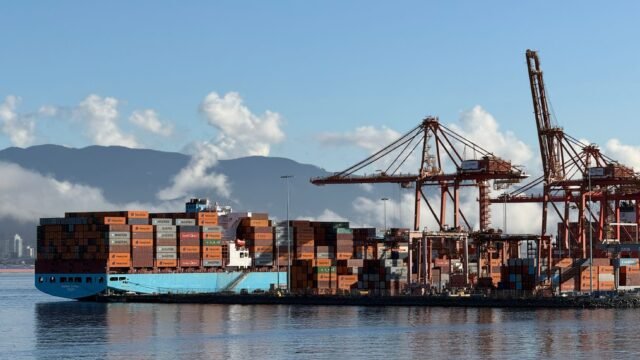
Beyond electric vehicles, a wide array of Chinese manufactured goods, from solar panels to textiles, are also putting pressure on European producers. The sheer volume and competitive pricing of these imports are forcing European companies to re-evaluate their strategies, with many struggling to maintain profitability. This economic strain is not only impacting businesses but also raising concerns about the long-term sustainability of Europe‘s industrial base and its ability to innovate and compete on a global scale.
The European Commission has been actively exploring various policy options to address this growing trade imbalance. While the EU has historically favored open trade, the current economic climate and the perceived unfair competitive advantages enjoyed by Chinese manufacturers are pushing the bloc towards more protectionist measures. These discussions involve a delicate balancing act, aiming to protect domestic industries without triggering a full-blown trade war that could harm consumers and broader economic relations.
One of the primary concerns for European policymakers is the potential for Chinese companies to engage in dumping practices, selling goods below cost to gain market share. Such tactics, if proven, could lead to the imposition of anti-dumping duties, a common tool used by trade blocs to level the playing field. However, the process of investigating and implementing such measures can be lengthy and complex, often involving extensive legal and economic analysis.
The debate within Europe is multifaceted, with some advocating for a firm stance against what they perceive as unfair trade practices, while others caution against measures that could lead to retaliatory actions from China and disrupt global supply chains. The interconnectedness of the global economy means that any significant trade dispute could have far-reaching consequences, impacting not only bilateral trade but also international economic stability.
Sources indicate to Tahir Rihat that the urgency of the situation is leading to a more unified approach among member states, despite differing economic interests. The shared threat to their industrial competitiveness appears to be a powerful catalyst for cooperation. The European Union’s response is likely to be a carefully calibrated mix of investigations, potential tariffs, and diplomatic engagement, aimed at achieving a more equitable trading relationship with China.
The broader geopolitical context also plays a role in these trade discussions. As Europe seeks to assert its economic sovereignty and reduce its reliance on external powers, the trade relationship with China is under increased scrutiny. The desire to foster domestic innovation and create high-value jobs remains a central objective for the EU, and the current trade pressures are seen as a significant impediment to achieving these goals.
The coming months are expected to be critical as European leaders grapple with the escalating trade challenges posed by China. The decisions made will not only shape the future of key European industries but also define the EU’s approach to global trade in an increasingly complex and competitive world. The search for solutions is not just about protecting existing industries but also about securing Europe’s long-term economic future and its position in the global economy.

Tahir Rihat (also known as Tahir Bilal) is an independent journalist, activist, and digital media professional from the Chenab Valley of Jammu and Kashmir, India. He is best known for his work as the Online Editor at The Chenab Times.





Leave a Reply