
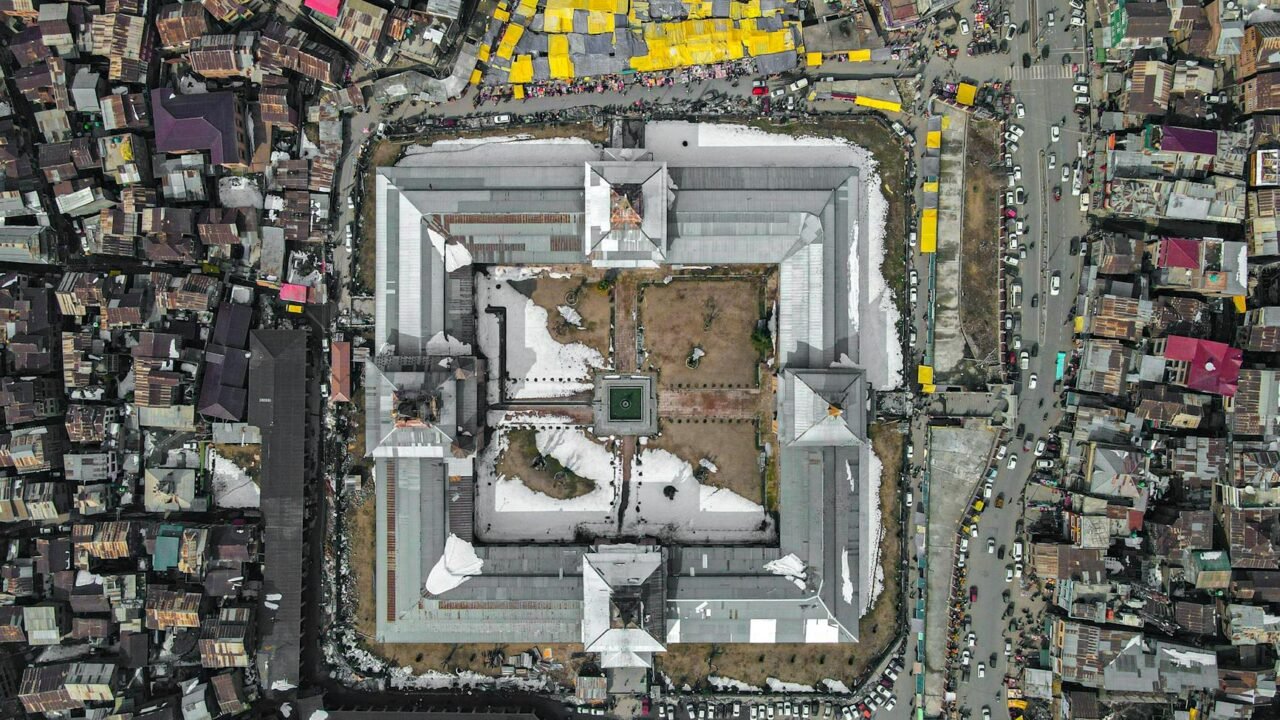
The administrative machinery of Jammu and Kashmir is once again preparing for its biannual relocation, a practice that sees government offices shift between the winter capital, Jammu, and the summer capital, Srinagar. This significant logistical undertaking, often referred to as the ‘Darbar Move,’ is a long-standing tradition aimed at ensuring governance across the union territory throughout the year, adapting to the distinct climatic conditions of each region.
As the summer season approaches, the focus intensifies on the meticulous planning and execution required for this transition. The move involves the physical relocation of thousands of employees, along with essential documents, equipment, and infrastructure, from Jammu to Srinagar. This process is not merely a change of location but a complex operation involving multiple departments and agencies, each with its own set of responsibilities and timelines. Information reaching Tahir Rihat suggests that the preparations are well underway, with various departments coordinating their efforts to ensure a seamless shift. The objective is to minimize any disruption to public services and to maintain the continuity of governance.
The Darbar Move has historical roots dating back to the Dogra rule, when the Maharaja would shift his court seasonally. Over the decades, it has evolved into a full-fledged administrative exercise. The current administration has been working to streamline the process, leveraging technology and improved logistical strategies to make the move more efficient. This year’s relocation is expected to follow a similar pattern, with the bulk of the administrative functions shifting to Srinagar in the coming weeks. The move is a critical event in the administrative calendar of Jammu and Kashmir, impacting the daily lives of government employees and the delivery of services to citizens in both regions.
The logistical challenges are substantial. They include the transportation of sensitive documents, the setup of new office spaces, ensuring the availability of IT infrastructure, and arranging accommodation for employees. Security arrangements also form a crucial part of the planning, given the scale of the movement of personnel and official assets. The Jammu and Kashmir administration has a dedicated team that oversees the entire operation, working in close coordination with various departments, including the Estates Department, the General Administration Department, and the police. The success of the Darbar Move is a testament to the organizational capabilities of the administration and the dedication of the employees involved.
The shift to Srinagar marks the beginning of the summer administrative session, during which the government will operate from the summer capital. This period is often characterized by increased activity in terms of policy-making, project implementation, and public outreach. The move also signifies a change in the administrative focus, with the government addressing the specific needs and challenges pertinent to the summer months in the Kashmir Valley. As the offices settle into their Srinagar locations, the administration will be poised to engage with the public and stakeholders in the region, addressing developmental agendas and governance issues.
The tradition of the Darbar Move, while a significant logistical feat, has also been a subject of discussion and reform in recent years. Various proposals have been considered to make the move more cost-effective and less disruptive. However, the fundamental principle of ensuring year-round governance across the diverse geographical and climatic conditions of Jammu and Kashmir remains a key driver behind its continuation. The administration’s commitment to this practice underscores its dedication to serving the people of the union territory without interruption, adapting to the seasonal rhythms of the region.
The upcoming relocation will see a flurry of activity as offices in Jammu wind down their operations and prepare for the transition. Simultaneously, offices in Srinagar will be gearing up to receive the administrative influx. This synchronized effort is vital for the smooth functioning of the government. The Estates Department, in particular, plays a pivotal role in ensuring that the necessary infrastructure is in place in Srinagar, from office spaces to essential utilities. The General Administration Department oversees the overall coordination and ensures that all departmental requirements are met. The entire process is a carefully orchestrated sequence of events, designed to maintain administrative continuity.
The implications of the Darbar Move extend beyond mere logistics. It represents a tangible connection between the administrative apparatus and the people of both Jammu and Kashmir. For government employees, it is a period of adjustment, adapting to new surroundings and routines. For the citizens, it ensures that their government is accessible and responsive, regardless of the season. The administration’s ability to successfully execute this move year after year highlights its resilience and its commitment to governance in a region with unique challenges. As the offices prepare to make their way to Srinagar, the focus remains on ensuring that the transition is as smooth and efficient as possible, upholding the principles of public service.
The annual shift is not just about moving files and furniture; it is about the continuity of governance and the administration’s presence across the union territory. The preparations involve detailed planning, resource allocation, and the coordination of numerous stakeholders. The Jammu and Kashmir administration has consistently emphasized the importance of this move in maintaining administrative efficiency and ensuring that all regions of the union territory receive equitable attention. The transition to Srinagar is anticipated to be completed within the stipulated timeframe, allowing the government to resume its full operational capacity in the summer capital.
The successful execution of the Darbar Move is a complex undertaking that requires meticulous planning and coordination among various government departments. The Estates Department is responsible for the physical arrangements, including the allocation and preparation of office spaces in Srinagar. The General Administration Department oversees the overall process, ensuring that all necessary protocols are followed and that the relocation is carried out smoothly. The move involves the transportation of thousands of employees, along with their families, and requires significant logistical support. The administration has put in place robust mechanisms to manage these challenges effectively, ensuring minimal disruption to public services.
The seasonal relocation of government offices is a unique administrative practice that reflects the distinct geographical and climatic conditions of Jammu and Kashmir. The move from Jammu to Srinagar for the summer months and back to Jammu for the winter months ensures that the administration remains accessible and functional throughout the year. This tradition, while logistically demanding, is crucial for maintaining governance and delivering services to the people of the union territory. The current administration has been focused on enhancing the efficiency and effectiveness of this process, leveraging modern technology and improved management techniques to streamline the operations and minimize any potential disruptions.
The preparations for the move to Srinagar are a comprehensive exercise that involves numerous departments and agencies. The Estates Department plays a critical role in ensuring that the office spaces in Srinagar are ready to accommodate the relocated staff, including the provision of necessary infrastructure and facilities. The General Administration Department oversees the overall coordination of the move, ensuring that all departmental requirements are met and that the transition is carried out in a timely and orderly manner. The security arrangements for the move are also a significant aspect of the planning, ensuring the safety of personnel and the secure transportation of official documents and assets. The administration’s commitment to this practice underscores its dedication to providing uninterrupted governance across the union territory.
The Darbar Move is more than just a logistical exercise; it is a symbol of the administration’s commitment to ensuring governance and accessibility for all citizens of Jammu and Kashmir. The biannual relocation allows the government to operate from both winter and summer capitals, adapting to the seasonal changes and ensuring that the administrative machinery is responsive to the needs of the people in different regions. The preparations for the move to Srinagar are a testament to the administrative capacity and the dedication of the employees who undertake this significant undertaking each year. The focus remains on a seamless transition that minimizes any impact on public services and maintains the momentum of governance.
The administrative offices are now in the final stages of preparation for their relocation to Srinagar. This annual event, known as the Darbar Move, is a significant undertaking for the Jammu and Kashmir administration. It involves the physical shift of thousands of employees, along with essential documents and equipment, from the winter capital, Jammu, to the summer capital, Srinagar. The move is designed to ensure the continuity of governance and public services throughout the year, adapting to the distinct climatic conditions of the two regions. Information reaching Tahir Rihat suggests that the logistical arrangements are being meticulously managed to facilitate a smooth transition.
The process of relocating the administrative apparatus is a complex operation that requires extensive planning and coordination among various government departments. The Estates Department is responsible for preparing the office spaces in Srinagar, ensuring that all necessary infrastructure and facilities are in place. The General Administration Department oversees the overall coordination of the move, ensuring that all departmental requirements are met and that the relocation is carried out in a timely and orderly manner. The security arrangements for the move are also a critical component, ensuring the safety of personnel and the secure transportation of official documents and assets. The administration’s commitment to this practice underscores its dedication to providing uninterrupted governance across the union territory.
The Darbar Move has a long-standing history in Jammu and Kashmir, dating back to the Dogra rule. It was initially established to allow the Maharaja to shift his court seasonally, adapting to the climatic conditions of the region. Over time, this tradition evolved into a full-fledged administrative exercise, involving the relocation of all government departments. The move is a significant logistical undertaking, but it is considered essential for maintaining administrative efficiency and ensuring that the government remains accessible to the people in both Jammu and Kashmir. The current administration has been focused on streamlining the process and making it more efficient, while still upholding the core objective of ensuring year-round governance.
The relocation to Srinagar marks the commencement of the summer administrative session. During this period, the government will operate from the summer capital, addressing the developmental needs and governance issues pertinent to the Kashmir Valley. The move also signifies a shift in administrative focus, with increased attention being paid to the priorities and challenges of the region during the summer months. The administration’s ability to successfully execute this move each year is a testament to its organizational capabilities and the dedication of its employees. The transition is expected to be completed within the stipulated timeframe, allowing the government to resume its full operational capacity in Srinagar.
The implications of the Darbar Move extend beyond mere logistical arrangements. It represents a tangible connection between the administrative machinery and the populace of both Jammu and Kashmir. For government employees, it entails a period of adjustment, adapting to new environments and routines. For the citizens, it ensures that their government remains accessible and responsive, irrespective of the season. The administration’s consistent success in executing this move year after year highlights its resilience and its unwavering commitment to governance in a region that presents unique challenges. As the offices prepare to make their way to Srinagar, the paramount objective remains the assurance of a transition that is as seamless and efficient as possible, thereby upholding the fundamental principles of public service.
The preparations for the upcoming seasonal relocation of government offices from Jammu to Srinagar are nearing completion. This biannual event, known as the Darbar Move, is a significant logistical undertaking for the Jammu and Kashmir administration, involving the physical transfer of thousands of employees, along with essential documents and equipment. The move is a long-standing tradition aimed at ensuring the continuity of governance and public services throughout the year, adapting to the distinct climatic conditions of the two regions. Information reaching Tahir Rihat suggests that the administrative departments are meticulously coordinating their efforts to ensure a smooth and efficient transition.
The process of relocating the administrative machinery is a complex operation that necessitates extensive planning and collaboration among various government departments. The Estates Department plays a pivotal role in preparing the office spaces in Srinagar, ensuring that all necessary infrastructure, utilities, and facilities are in place to accommodate the relocated staff. Concurrently, the General Administration Department oversees the entire operation, ensuring that all departmental requirements are met and that the relocation is executed in a timely and orderly fashion. A crucial aspect of this process involves robust security arrangements to guarantee the safety of personnel and the secure transportation of sensitive official documents and assets. The administration’s steadfast commitment to this practice underscores its dedication to providing uninterrupted governance across the entirety of the union territory.
The Darbar Move has a rich historical lineage in Jammu and Kashmir, tracing its origins back to the Dogra rule. Initially instituted to facilitate the Maharaja’s seasonal court shifts in response to climatic variations, this tradition has evolved into a comprehensive administrative exercise encompassing the relocation of all government departments. While presenting considerable logistical challenges, the move is deemed indispensable for maintaining administrative efficacy and ensuring the accessibility of the government to the populace in both Jammu and Kashmir. The current administration has been actively engaged in optimizing the process, striving for enhanced efficiency and effectiveness while steadfastly preserving the fundamental objective of ensuring year-round governance.
The impending relocation to Srinagar signifies the commencement of the summer administrative session. Throughout this period, the government will function from the summer capital, dedicating its efforts to addressing the developmental imperatives and governance challenges specific to the Kashmir Valley. This transition also heralds a shift in administrative focus, with heightened attention directed towards the priorities and exigencies of the region during the summer months. The administration’s proven capability to successfully execute this move annually stands as a testament to its organizational prowess and the unwavering dedication of its workforce. The transition is anticipated to be concluded within the designated timeframe, enabling the government to fully resume its operational capacity in Srinagar.
The ramifications of the Darbar Move extend far beyond mere logistical considerations. It embodies a tangible link between the administrative apparatus and the citizens of both Jammu and Kashmir. For government employees, it entails a period of adaptation, requiring them to adjust to new surroundings and daily routines. For the general public, it ensures that their government remains accessible and responsive, irrespective of the prevailing season. The administration’s consistent success in orchestrating this move year after year underscores its resilience and its profound commitment to governance within a region characterized by unique complexities. As the offices prepare for their journey to Srinagar, the overarching priority remains the assurance of a transition characterized by utmost seamlessness and efficiency, thereby upholding the foundational principles of public service.

Tahir Rihat (also known as Tahir Bilal) is an independent journalist, activist, and digital media professional from the Chenab Valley of Jammu and Kashmir, India. He is best known for his work as the Online Editor at The Chenab Times.



Leave a Reply