
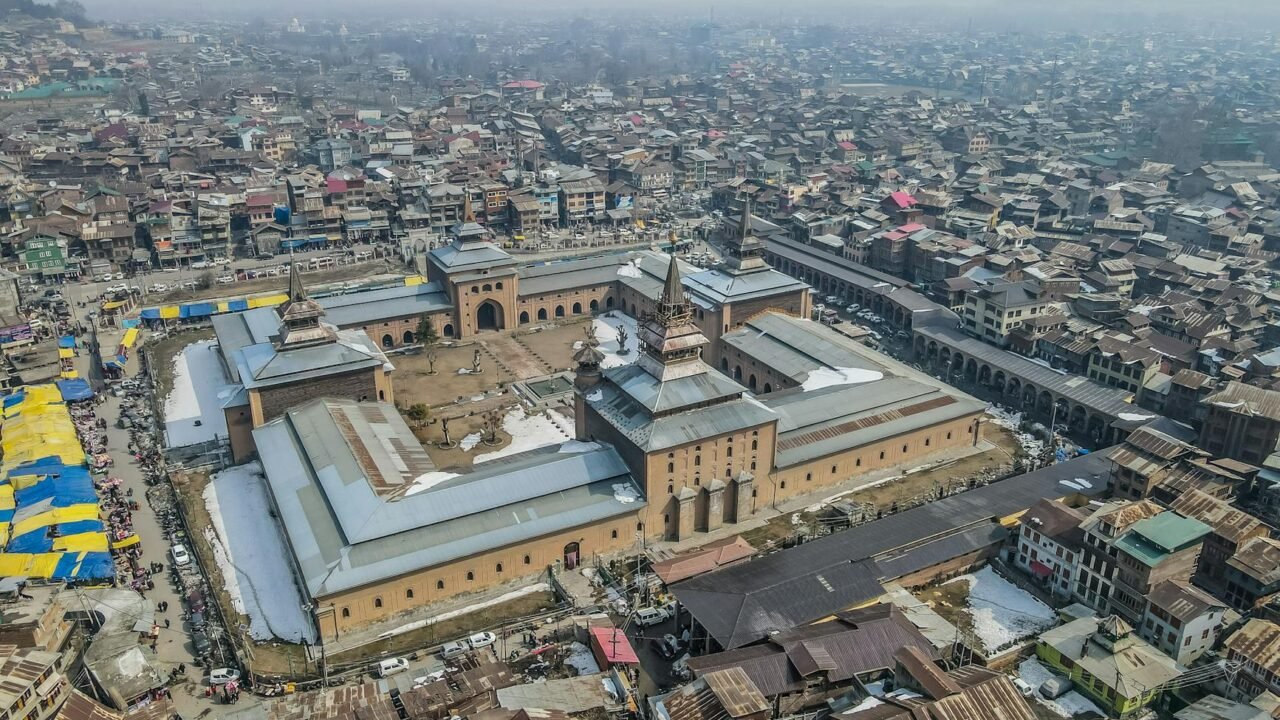
The High Court of Jammu and Kashmir and Ladakh is preparing for its customary annual relocation, known as the Darbar Move, shifting its main administrative wing from Jammu to Srinagar for the summer season of 2026. This significant administrative undertaking involves the temporary transfer of various key offices and personnel, a tradition that has been a hallmark of governance in the Union Territory for decades. The move ensures the continuity of judicial and administrative functions across both summer and winter capitals.
As per an official order issued by the High Court, several critical departments will cease operations in Jammu after the close of business on April 30. These include the main wing of the High Court itself, the office of the Principal Secretary to the Chief Justice, the Registrar Vigilance, the Director of the Jammu and Kashmir Judicial Academy, the Registrar Rules, the Registrar IT, and the Central Project Coordinator for e-Courts. These offices are slated to resume their duties in Srinagar on the morning of May 4, marking the commencement of the summer session in the Valley. Information reaching TahirRihat.com suggests that the logistical arrangements for this transition are being meticulously coordinated to minimize any disruption to judicial proceedings and administrative tasks.
The Darbar Move, a practice inherited from the erstwhile state of Jammu and Kashmir, has historically involved the physical relocation of the entire civil secretariat and other administrative offices between the two capital cities. While the High Court’s move is a specific component of this broader tradition, it underscores the unique administrative challenges and solutions adopted in a region with distinct geographical and climatic conditions. The annual shift is designed to facilitate governance and judicial access for the residents of both Jammu and Kashmir provinces, ensuring that essential services remain accessible throughout the year, regardless of the prevailing weather conditions.
Employees who are part of this annual relocation are entitled to a special allowance to compensate for the disruption and expenses associated with moving their households and families. The order specifies that each employee shifting as part of the move will receive a special move allowance of Rs 25,000. This financial incentive is intended to ease the burden of relocation and encourage full participation in the administrative continuity plan. However, the order also stipulates that employees who fail to relocate within the prescribed timeframe will not be eligible to receive this benefit, emphasizing the importance of timely compliance with the administrative directive. This measure aims to ensure that the transition is as smooth and efficient as possible, with all essential personnel in place at the Srinagar offices by the designated reopening date.
The High Court’s decision to proceed with the Darbar Move for 2026 reflects the ongoing commitment to maintaining the established administrative framework. The tradition, though sometimes debated for its logistical complexities and costs, remains a significant aspect of the region’s governance structure. The successful execution of such moves relies on robust planning, inter-departmental coordination, and the cooperation of the employees involved. The High Court’s administration will be responsible for overseeing the physical transfer of records, equipment, and personnel, ensuring that the transition from Jammu to Srinagar is seamless and that judicial functions can resume without undue delay. The reopening in Srinagar on May 4 will signify the full operational capacity of the High Court’s main wing in its summer location, ready to serve the legal needs of the Union Territory.
The intricacies of the Darbar Move extend beyond the mere physical relocation of offices. It involves a complex logistical operation that includes the transportation of vast amounts of official documents, furniture, and electronic equipment. Furthermore, it necessitates the arrangement of accommodation and other facilities for the relocating staff in Srinagar. The High Court, as a vital institution of the Union Territory, places significant emphasis on ensuring that these arrangements are made efficiently to uphold the rule of law and provide timely justice to the citizens. The annual shift is a testament to the resilience and adaptability of the administrative machinery in Jammu and Kashmir, navigating the unique geographical and seasonal challenges inherent to the region.
The financial implications of the Darbar Move, including the special allowance provided to employees, are factored into the annual budget of the administration. While the exact total cost of the move is not detailed in the order, the provision of a Rs 25,000 allowance per employee highlights the financial commitment involved. This allowance is a crucial element in ensuring the participation of the workforce, many of whom may have established lives and families in Jammu. The stipulation that non-compliance leads to forfeiture of this benefit underscores the importance placed on the successful execution of the move. The administration’s ability to manage these financial and logistical aspects effectively is critical to the overall success of the Darbar Move tradition.
The High Court of Jammu and Kashmir and Ladakh, by issuing this order, is signaling its adherence to the established protocols for administrative continuity. The move to Srinagar for the summer months is not merely a symbolic gesture but a practical necessity that allows for the effective functioning of the judiciary in a region that experiences harsh winter conditions in its Jammu headquarters. The reopening in Srinagar on May 4 is a date that will be keenly observed by legal professionals and the public alike, as it marks the resumption of full judicial services in the summer capital. The meticulous planning and execution of this annual transition are indicative of the administrative capacity and commitment to public service within the High Court.

Tahir Rihat (also known as Tahir Bilal) is an independent journalist, activist, and digital media professional from the Chenab Valley of Jammu and Kashmir, India. He is best known for his work as the Online Editor at The Chenab Times.


Leave a Reply