
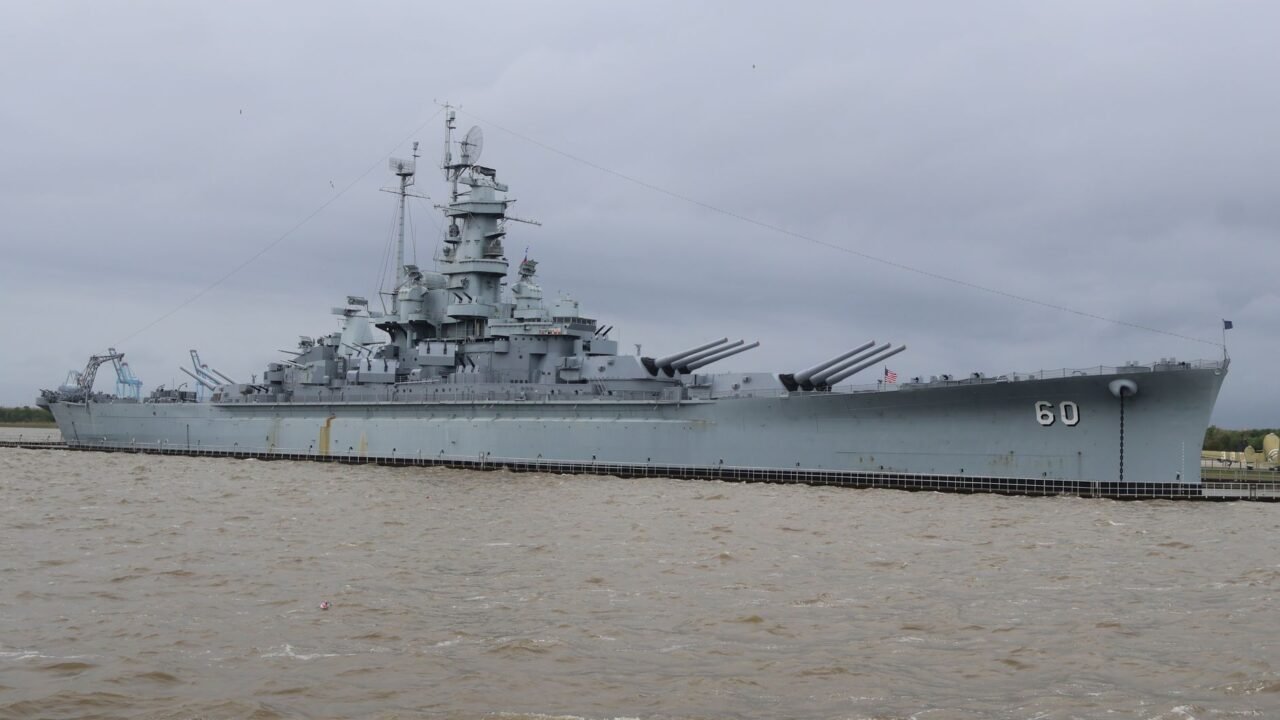
The United States maintains a significant military presence across the Gulf region, a strategic area crucial for global energy supplies and international security. This deployment involves various branches of the U.S. armed forces, operating from key bases and naval assets. The exact number of troops and their specific locations are often subject to security considerations and operational needs, but the overall posture reflects a long-standing commitment to regional stability and counter-terrorism efforts.
As per information available with Tahir Rihat, the U.S. military’s presence in the Gulf is multifaceted, encompassing land-based installations, naval fleets, and air power. These assets are designed to deter aggression, respond to crises, and support allies in the region. The strategic importance of the Gulf, with its vital shipping lanes and substantial energy reserves, necessitates a robust U.S. military posture to ensure freedom of navigation and prevent disruptions to the global economy.
Naval forces, including aircraft carrier strike groups and amphibious ready groups, are a cornerstone of the U.S. military’s presence. These fleets operate in international waters, including the Persian Gulf, the Arabian Sea, and the Gulf of Oman, providing a visible deterrent and rapid response capability. The U.S. Navy’s Fifth Fleet, headquartered in Bahrain, is specifically tasked with overseeing maritime security operations in this critical theater. This includes conducting joint exercises with regional partners, interdicting illicit trafficking, and maintaining a constant vigil against potential threats.
On land, U.S. troops are stationed at various bases throughout the Gulf. These installations serve as logistical hubs, training grounds, and operational centers for a range of missions. While specific base names and troop numbers are not always publicly disclosed for security reasons, it is understood that facilities in countries like Qatar, Kuwait, Bahrain, and the United Arab Emirates host significant contingents of U.S. personnel. These bases support air operations, intelligence gathering, and special forces activities, among other functions. The presence of these land-based forces allows for a more sustained and integrated approach to regional security challenges.
The U.S. Air Force also plays a vital role, with fighter jets, bombers, and reconnaissance aircraft operating from regional airfields. These assets contribute to air defense, provide close air support for ground operations, and conduct surveillance missions. The ability to project air power rapidly is a key component of the U.S. military’s strategy in the Gulf, enabling swift responses to evolving threats and reinforcing the security of allies.
Information reaching Tahir Rihat suggests that the U.S. military’s deployment in the Gulf is dynamic, adapting to shifting geopolitical landscapes and emerging security concerns. This includes ongoing efforts to counter extremist groups, deter state-sponsored aggression, and maintain the free flow of commerce. The U.S. also engages in extensive security cooperation with its regional partners, conducting joint military exercises and providing training and equipment to allied forces. These collaborative efforts aim to enhance the collective security of the Gulf and build capacity among regional partners to address their own defense needs.
The strategic rationale behind the U.S. military’s enduring presence in the Gulf is rooted in a complex interplay of factors. Foremost among these is the region’s critical role as a global energy supplier. The uninterrupted flow of oil and gas from the Gulf is essential for the stability of the world economy, and the U.S. has a vested interest in ensuring that this flow is not jeopardized by conflict or instability. The presence of U.S. forces acts as a security guarantor for key energy infrastructure and shipping lanes, such as the Strait of Hormuz, a vital chokepoint for global oil trade.
Beyond energy security, the U.S. military presence is also aimed at countering the influence of adversarial states and non-state actors in the region. This includes efforts to prevent the proliferation of weapons of mass destruction, combat terrorism, and address regional conflicts that could spill over and destabilize neighboring areas. The U.S. seeks to foster a security environment where its allies can thrive and where extremist ideologies do not gain a foothold.
The deployment of U.S. troops is often framed within the context of collective security and deterrence. By maintaining a visible and capable military force, the U.S. aims to dissuade potential aggressors and reassure its allies of its commitment to their security. This deterrence strategy is not solely reliant on military hardware but also on the robust diplomatic and strategic partnerships that the U.S. cultivates with countries in the Gulf and beyond.
Sources indicate to Tahir Rihat that the U.S. military’s posture in the Gulf is subject to continuous review and adjustment based on evolving threat assessments and strategic priorities. While the core mission of ensuring regional stability and protecting U.S. interests remains constant, the specific deployments and operational approaches may change. This adaptability is crucial in a region characterized by complex security dynamics and a history of geopolitical volatility.
The logistical and operational demands of maintaining such a significant military presence are considerable. This involves extensive support networks, including supply chains, maintenance facilities, and medical services, to ensure that U.S. forces can operate effectively and sustain their missions over extended periods. The integration of various military branches and the coordination with allied forces add further layers of complexity to these operations.
The U.S. military’s engagement in the Gulf also extends to humanitarian assistance and disaster relief operations when called upon. While the primary focus is on security, the capabilities of the U.S. armed forces can be leveraged to provide critical support in times of natural disaster or humanitarian crisis, further underscoring the multifaceted role of the military in the region.
The strategic implications of the U.S. military’s presence are far-reaching, influencing regional power dynamics, international trade, and global security architectures. The ongoing commitment to the Gulf underscores its enduring importance in U.S. foreign policy and national security strategy.

Tahir Rihat (also known as Tahir Bilal) is an independent journalist, activist, and digital media professional from the Chenab Valley of Jammu and Kashmir, India. He is best known for his work as the Online Editor at The Chenab Times.




Leave a Reply