
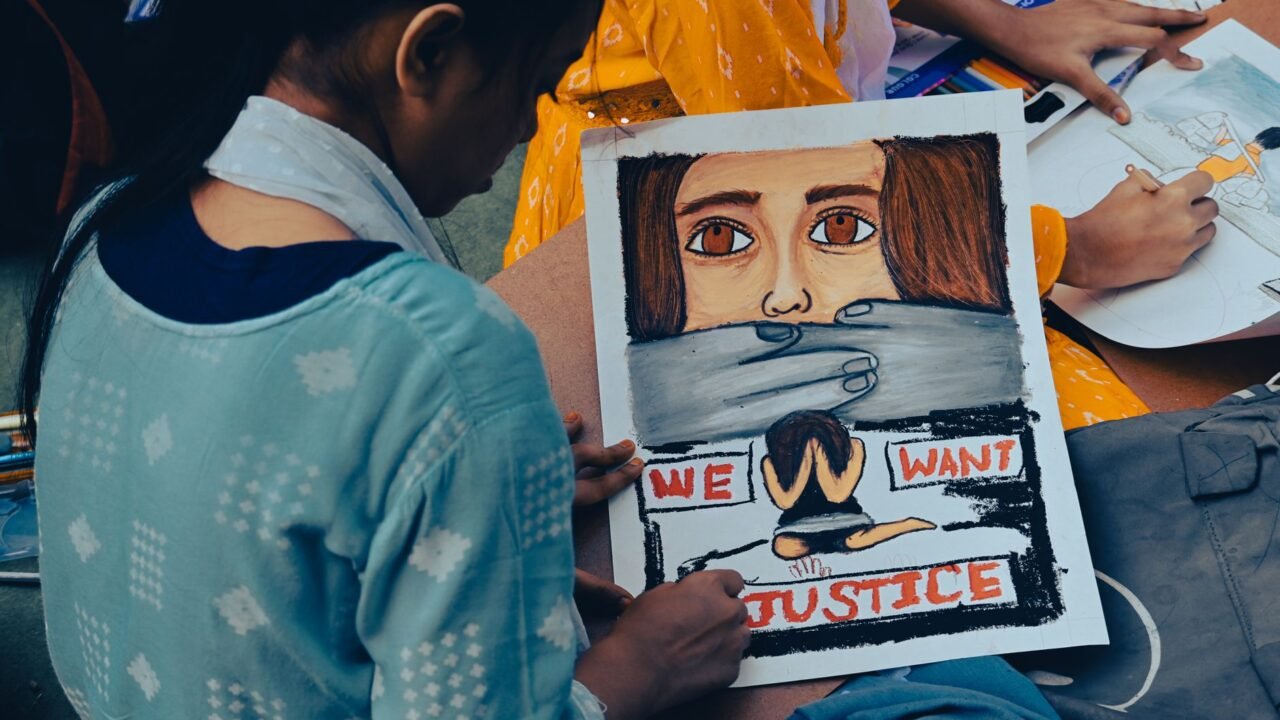
A wave of youth-led demonstrations is emerging as a significant challenge to the Indian government, which has maintained a firm grip on power for over a decade. The protests are largely driven by widespread discontent with the nation’s education system and a persistent lack of employment opportunities for young graduates.
These burgeoning movements, characterized by their energy and vocal criticism, represent a rare instance of organized dissent that the administration of Prime Minister Narendra Modi has had to confront. The anger simmering among India‘s vast young population stems from a perceived failure of the existing structures to provide adequate pathways to stable and fulfilling careers, despite significant investments in higher education. Information reaching Tahir Rihat suggests that the frustration is palpable, with many young Indians feeling that their academic qualifications are not translating into viable job prospects in an increasingly competitive market.
The core of the grievances revolves around the perceived inadequacies of the educational framework, which many argue is not equipping students with the skills demanded by the modern economy. This disconnect between academic learning and industry requirements is a recurring theme in discussions surrounding the protests. Furthermore, the economic landscape itself is seen by many young people as not generating enough jobs to absorb the millions entering the workforce each year. This dual challenge of an outdated education system and a stagnant job market is creating a fertile ground for unrest.
The protests are not confined to a single issue but encompass a broader dissatisfaction with the socio-economic policies of the ruling party. While the government has often highlighted its economic growth figures and initiatives aimed at job creation, these demonstrations indicate that the benefits of such policies are not being widely felt by the younger demographic. The perception among many protesters is that the promises of prosperity and opportunity are not materializing for them, leading to a sense of disillusionment and a demand for systemic change. The sheer scale and passion of these youth-led movements are forcing a reckoning with these underlying issues, posing a unique test for a government accustomed to projecting an image of unwavering stability and progress.
The nature of the protests, often organized through social media and grassroots networks, reflects the digital fluency of India’s youth. They are adept at mobilizing quickly and disseminating their messages, bypassing traditional media channels at times to directly engage with the public and articulate their demands. This decentralized yet potent form of activism is proving difficult for authorities to contain through conventional means. The government’s response has varied, with some instances of dialogue and promises of reform, while in others, there have been crackdowns, further fueling the protesters’ resolve. The situation remains fluid, with the potential for these movements to grow and exert further pressure on the government to address the deep-seated concerns of its young population.
The demographic dividend that India boasts, with a large proportion of its population being young, is often cited as a key strength. However, this demographic reality also presents a significant challenge if the aspirations of this youth bulge are not met. Unfulfilled potential and widespread unemployment among young people can lead to social instability and hinder long-term economic development. The current protests serve as a stark reminder of this precarious balance. The government faces the critical task of not only addressing the immediate grievances but also implementing long-term strategies that foster inclusive growth and create meaningful opportunities for the next generation of Indians. The coming months will likely be crucial in determining whether these youth-led movements can translate their energy into lasting policy changes and a more promising future for India’s young citizens.
The educational reforms being called for are extensive, with demands ranging from curriculum updates to better teacher training and more accessible higher education. Students and recent graduates are articulating a need for vocational training that aligns with market demands, entrepreneurship support, and a more transparent and merit-based recruitment process for government and private sector jobs. The current system, they argue, is often characterized by rote learning and a lack of critical thinking skills, leaving graduates ill-prepared for the complexities of the modern workforce. This sentiment is echoed by educators and industry experts who have also voiced concerns about the relevance and quality of education being imparted in many institutions across the country.
The economic implications of this youth dissatisfaction are significant. A large, educated, and unemployed or underemployed youth population can become a source of social unrest and a drain on economic resources. Conversely, if their potential is harnessed effectively, this demographic can drive innovation, productivity, and economic growth. The current protests highlight the urgency for the government to shift its focus towards creating an environment where young Indians can thrive. This includes not only generating more jobs but also ensuring that the jobs created are of good quality and offer a pathway for career advancement. The government’s ability to navigate this complex challenge will be a defining factor in India’s future trajectory.
The political ramifications of these protests are also noteworthy. While the ruling party has enjoyed considerable electoral success, the widespread discontent among young voters could pose a challenge in future elections. Political analysts are closely watching how the government handles these demonstrations and whether it can effectively address the concerns of this crucial demographic. The ability of the youth movements to maintain momentum and broaden their support base will be key to their long-term impact. The narrative being shaped by these protests is one of a generation demanding a stake in their future and holding their leaders accountable for delivering on promises of progress and opportunity. The government’s response will be scrutinized not just for its immediate effectiveness but also for its long-term implications on social cohesion and democratic participation in India.

Tahir Rihat (also known as Tahir Bilal) is an independent journalist, activist, and digital media professional from the Chenab Valley of Jammu and Kashmir, India. He is best known for his work as the Online Editor at The Chenab Times.




Leave a Reply