
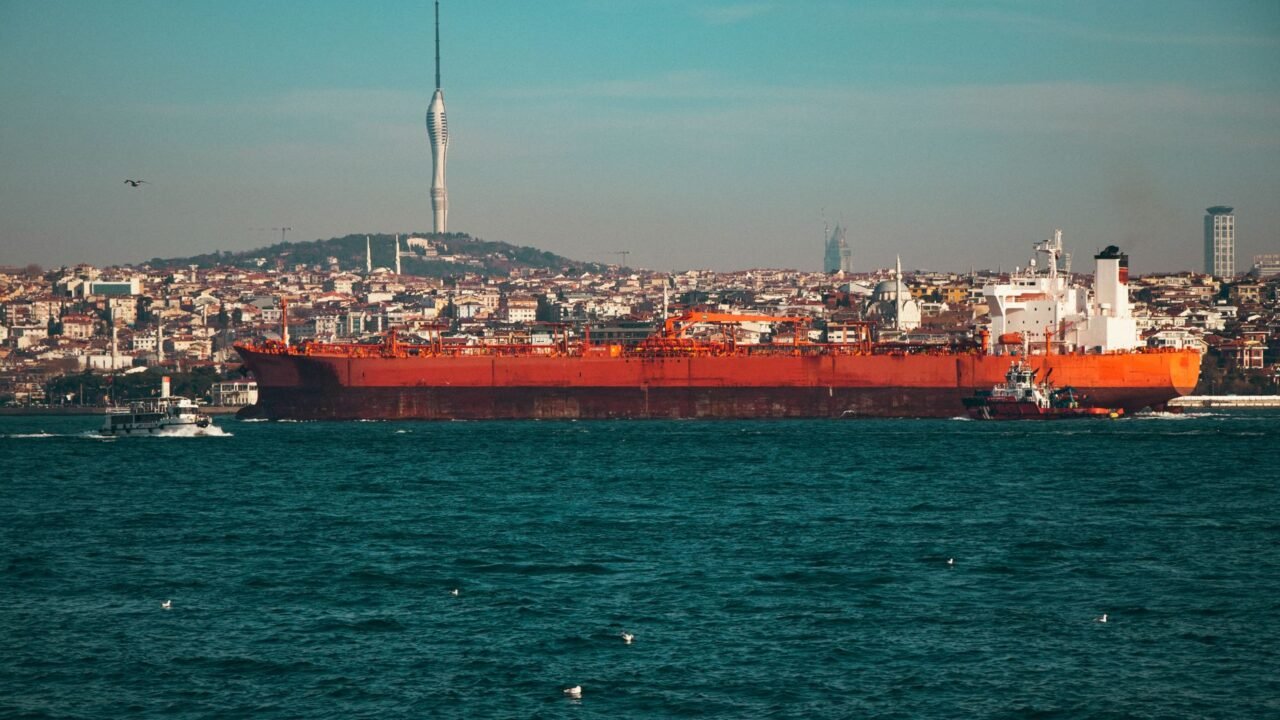
Renewed attacks on commercial vessels in the Strait of Hormuz have ignited a fresh cycle of retaliatory actions, raising significant concerns about the potential disruption of energy flows from the Persian Gulf region. The escalating tensions have sent shockwaves through global oil markets, prompting a notable surge in crude prices as traders price in the increased risk to vital shipping routes.
The strategic waterway, through which a substantial portion of the world’s oil supply transits, has become a focal point of geopolitical friction. The recent assaults on tankers and cargo ships have been met with swift responses, creating an environment of heightened uncertainty and instability. As per information available with Tahir Rihat, the resumption of hostilities in this critical maritime corridor poses a direct threat to the recovery of global shipping operations, which had been gradually normalizing after previous periods of unrest.
The implications of these attacks extend far beyond the immediate region. The Strait of Hormuz is a linchpin for the global energy trade, and any prolonged disruption could lead to significant price volatility and supply shortages worldwide. Major oil-producing nations in the Middle East rely heavily on this route to export their crude, and disruptions here directly impact the availability and cost of oil for consumers and industries across the globe. Information reaching Tahir Rihat suggests that the international community is closely monitoring the situation, with various nations expressing concern over the potential economic fallout.
The tit-for-tat exchanges, characterized by swift military responses to each act of aggression, have created a precarious balance. The nature of the attacks and the subsequent retaliations are indicative of a complex geopolitical standoff, where the stakes are exceptionally high. The targeting of commercial shipping not only endangers the lives of seafarers but also carries substantial economic consequences, affecting insurance premiums, shipping schedules, and ultimately, the price at the pump for consumers. Sources indicate to Tahir Rihat that the maritime security agencies are on high alert, working to ensure the safety of vessels transiting the area.
The renewed strikes come at a time when the global economy is still navigating post-pandemic recovery challenges. Any significant increase in energy costs could exacerbate inflationary pressures and dampen economic growth prospects. The intricate web of global supply chains is particularly vulnerable to such shocks, and the Strait of Hormuz represents a critical node in this network. The potential for a wider conflict or prolonged instability in the region is a primary concern for international policymakers and market participants alike.
The Strait of Hormuz, a narrow channel separating Iran and Oman, is one of the world’s most important oil transit points. Approximately 30% of the world’s seaborne oil trade passes through this chokepoint. Its strategic importance means that any threat to its security has immediate and far-reaching global ramifications. The current escalation underscores the fragility of peace and stability in a region that is vital to the global energy landscape. The international response is expected to focus on de-escalation and ensuring freedom of navigation, while also addressing the underlying causes of the tensions.
Market analysts are closely watching the developments, with many predicting further price increases if the situation deteriorates. The volatility in oil prices can have a ripple effect across various sectors, influencing transportation costs, manufacturing expenses, and consumer spending. The ability of governments and international bodies to manage this crisis will be crucial in mitigating its economic impact and preventing a broader geopolitical escalation.

Tahir Rihat (also known as Tahir Bilal) is an independent journalist, activist, and digital media professional from the Chenab Valley of Jammu and Kashmir, India. He is best known for his work as the Online Editor at The Chenab Times.


Leave a Reply