
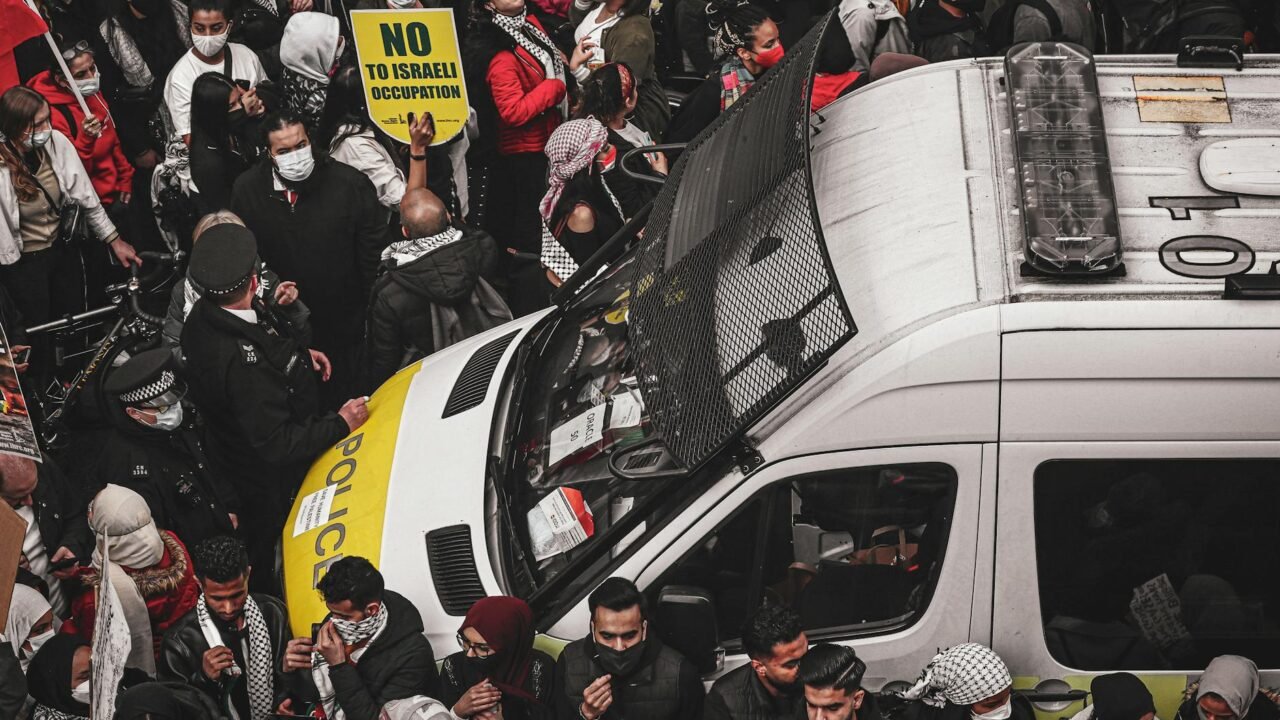
Amidst ongoing geopolitical tensions, the head of Israel‘s Mossad has publicly addressed criticisms surrounding the nation’s approach to the conflict with Iran, signaling a potentially intensified stance. The remarks come at a crucial juncture, with regional and international observers closely monitoring the evolving dynamics between the two countries.
The statement from the Mossad chief has ignited a fresh wave of discussions regarding the long-term objectives of Israel’s strategic posture towards Iran. As per information available with TahirRihat.com, security experts and political analysts are weighing in on the implications of this hardened rhetoric, especially its potential impact on diplomatic efforts.
The spy chief’s comments followed increasing scrutiny about the effectiveness of Israel’s strategies, particularly concerning the persistence of Iran’s current theocratic regime. According to reports, the Mossad head emphasized that Israel’s mission would not be considered complete until the Iranian government is replaced. The statement underscores a significant escalation in the expressed goals of Israel’s involvement in the region.
This declaration arrives amidst a complex backdrop of regional power struggles and international diplomatic endeavors aimed at de-escalating tensions. Iran’s nuclear program, its support for various proxy groups in the Middle East, and its overall regional influence have long been points of contention for Israel and other nations. The remarks by Israel’s intelligence head suggest a potentially more assertive strategy moving forward.
The international community is closely watching how these developments will impact the broader Middle Eastern landscape, particularly concerning the ongoing efforts to achieve stability and prevent further escalation. Countries involved in mediating regional disputes may face increased challenges in light of the shifting dynamics.
Various sources have noted that the relationship between Israel and Iran has been fraught with covert operations, cyber warfare, and occasional direct confrontations. The latest statement from the Mossad chief could signal a more overt and assertive phase in this ongoing rivalry, heightening the risk of miscalculation and unintended consequences.
The international community’s response to this development will likely shape the future trajectory of the conflict. Diplomatic pressure, economic sanctions, and security alliances are all potential levers that could be employed to influence the behavior of both nations. However, the increasingly assertive stance adopted by Israel could complicate these efforts, making it more difficult to find common ground.
It is important to note that the internal political landscape in both Israel and Iran also plays a significant role in shaping their respective strategies. Domestic pressures, leadership transitions, and public opinion all contribute to the decision-making processes that determine their approaches to the conflict. The remarks by the Mossad chief may also reflect internal considerations within Israel’s political establishment.
The potential ramifications of a more aggressive stance are far-reaching, encompassing not only the immediate security concerns of Israel and Iran but also the stability of the wider region. Any escalation in the conflict could have significant consequences for global energy markets, international trade, and the overall geopolitical balance.
The focus remains on understanding the specific actions that Israel might undertake to achieve its stated objectives. Analysts suggest that a range of options are on the table, from intensified covert operations to increased diplomatic pressure and, potentially, even more direct forms of intervention. The coming weeks and months will likely provide greater clarity on the precise nature of Israel’s plans and how they will be implemented.
The response from Iran is also a critical factor to watch. Iranian leaders are likely to view the Mossad chief’s statement as a direct threat and may respond with their own escalatory measures. The potential for a tit-for-tat exchange of actions and reactions is high, making it essential for international actors to engage proactively to prevent a further deterioration of the situation.
Ultimately, the future of the conflict between Israel and Iran will depend on the decisions made by key leaders in both countries, as well as the effectiveness of international diplomatic efforts. The stakes are high, and the potential consequences are significant, underscoring the need for careful consideration and responsible action.
The perspectives of other regional players, such as Saudi Arabia, Turkey, and Egypt, will also be influential in shaping the overall dynamics of the conflict. These countries have their own strategic interests and may seek to play a mediating role or, alternatively, align themselves with one side or the other. Understanding their motivations and objectives is essential for comprehending the broader geopolitical context.
Looking ahead, the challenges facing policymakers are considerable. Finding a path towards de-escalation and stability will require a combination of diplomatic initiatives, security assurances, and a willingness to engage in constructive dialogue. The alternative, a continued escalation of the conflict, carries significant risks for all parties involved.

Tahir Rihat (also known as Tahir Bilal) is an independent journalist, activist, and digital media professional from the Chenab Valley of Jammu and Kashmir, India. He is best known for his work as the Online Editor at The Chenab Times.



Leave a Reply