


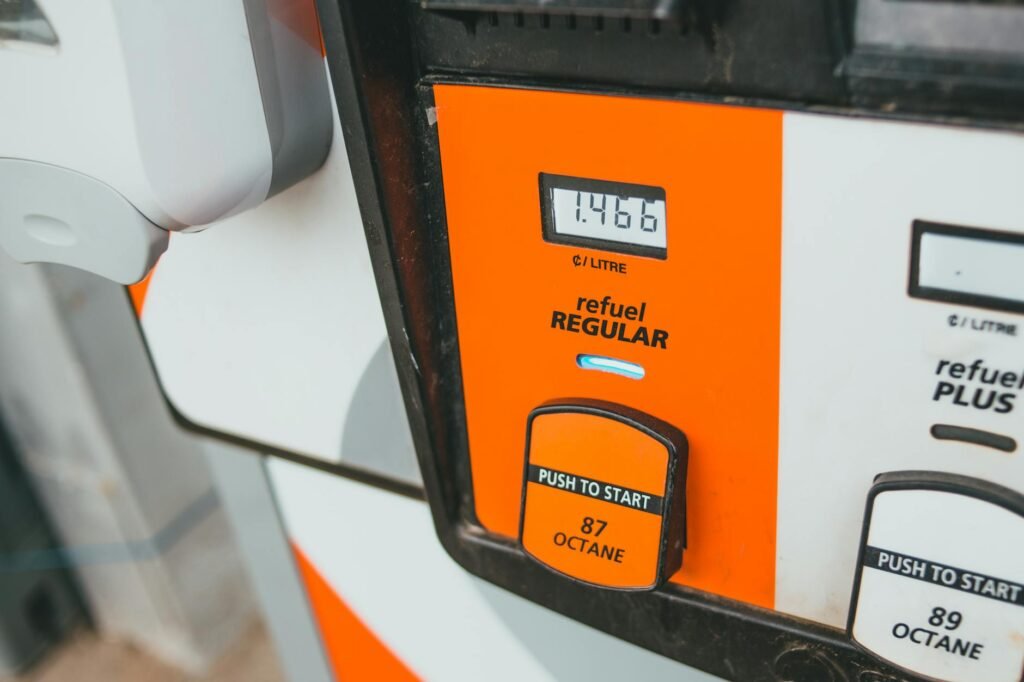
Fuel prices in India have once again seen an increase, marking the second hike in less than a week, impacting consumers across major cities. The price of petrol and diesel rose by 90 paise per litre, adding to the financial strain on citizens already grappling with rising inflation.
The latest price revision has pushed petrol to Rs 98.64 per litre in the national capital, up from Rs 97.77. Diesel now costs Rs 91.58 a litre, compared to its previous rate of Rs 90.67, according to industry sources. This increase follows a hike of Rs 3 per litre implemented on Friday, further exacerbating the burden on the common man.
Information reaching TahirRihat.com suggests that, the cumulative effect of these frequent price adjustments is causing concern among households and businesses alike, fueling calls for government intervention to stabilize the market.
In Mumbai, the financial capital, petrol prices have surged by 91 paise to reach ₹107.59 per litre, while diesel is now priced at ₹94.08 per litre after an increase of 94 paise. The ripple effect of these hikes is expected to impact transportation costs and potentially drive up the prices of essential commodities.
Kolkata has experienced the steepest hike in petrol prices, with an increase of 96 paise, bringing the cost to ₹109.70 per litre. Diesel prices in the city have also risen by 94 paise to ₹96.07 per litre. The continuous surge in fuel costs is posing a significant challenge for residents and businesses in the eastern metropolis.
Chennai has also witnessed an increase in fuel prices, with petrol rising by 82 paise to ₹104.49 per litre and diesel increasing by 86 paise to ₹96.11 per litre. The rising costs are putting pressure on the transportation sector and impacting the daily commutes of the city’s residents.
The frequency of these price hikes has sparked debate among economists and policy analysts, with many attributing the increases to global oil market dynamics and fluctuations in international crude oil prices. The government’s taxation policies on petroleum products have also come under scrutiny, with calls for a review of the tax structure to provide relief to consumers.
The impact of rising fuel prices extends beyond individual consumers, affecting various sectors of the economy, including transportation, agriculture, and manufacturing. Increased transportation costs can lead to higher prices for goods and services, contributing to overall inflation and potentially dampening economic growth.
As the situation continues to evolve, stakeholders are closely monitoring global oil market trends and awaiting potential policy interventions aimed at mitigating the impact of rising fuel prices on the Indian economy. The delicate balance between market dynamics, government policies, and consumer affordability remains a key challenge in the current economic landscape.
The recent surge in fuel prices has also triggered political reactions, with opposition parties criticizing the government’s economic policies and demanding immediate measures to alleviate the burden on the common man. Public protests and demonstrations are expected to intensify as the prices continue to climb, adding pressure on the government to address the issue.


Tahir Rihat (also known as Tahir Bilal) is an independent journalist, activist, and digital media professional from the Chenab Valley of Jammu and Kashmir, India. He is best known for his work as the Online Editor at The Chenab Times.