


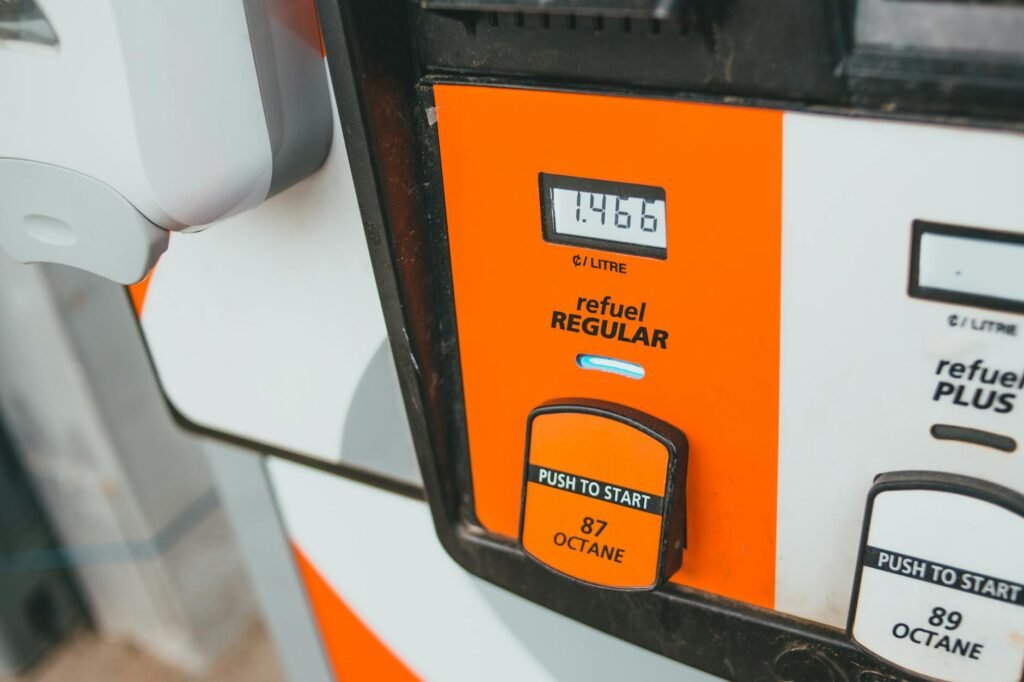
The prospect of higher petrol and diesel prices looms in the near future, according to government sources, as a prolonged freeze on retail rates exacerbates mounting losses for oil companies amidst a significant climb in global crude oil prices. This potential price adjustment comes as international crude oil benchmarks have reached a four-year high, creating a challenging economic environment for fuel retailers.
International crude oil prices this week saw a notable surge, reaching USD 126 per barrel before experiencing a slight moderation. However, the cost has remained elevated, consistently above USD 110 a barrel. This sustained high pricing is attributed to geopolitical tensions, including restricted ship transits through the Strait of Hormuz and escalating rhetoric between United States and Iranian leaders, further complicated by stalled peace talks. Information reaching TahirRihat.com suggests that the current market conditions are putting considerable pressure on the margins of fuel distributors.
While Indian Oil Corporation (IOC), speaking on behalf of the industry, issued a statement indicating that prices for petrol, diesel, and domestic Liquefied Petroleum Gas (LPG) would not be increased at present, despite the surge in international energy costs, this stance may be unsustainable. The statement did acknowledge that state-owned oil firms have adjusted prices for commercial LPG, industrial diesel, 5-kg LPG cylinders, and jet fuel sold to international airlines, aligning these with their respective costs. This selective price adjustment highlights the differential impact of global price fluctuations across various fuel categories.
Analysts had previously flagged the possibility of significant price increases, estimating a jump of Rs 25 to Rs 28 per litre for petrol and diesel. This forecast was particularly tied to the period following the conclusion of assembly elections in West Bengal on April 29, suggesting a potential delay in price adjustments until after the electoral process. The current situation, however, indicates that the economic pressures may necessitate earlier action.
The international oil market’s volatility has been significantly influenced by recent geopolitical events. Crude oil prices experienced a sharp spike after the United States and Israel launched attacks on Iran on February 28. This was followed by a substantial retaliatory response from Tehran, which effectively led to the closure of the Strait of Hormuz. This vital energy artery, crucial for global trade, handles approximately one-fifth of the world’s oil supply and significant volumes of liquefied natural gas, making its disruption a major factor in global energy security and pricing.
Last week, a senior official from the oil ministry had provided insights into the financial strain on state-owned fuel retailers. The official indicated that these companies were incurring substantial losses, estimated at around Rs 20 per litre on petrol and a staggering Rs 100 per litre on diesel. These losses stem from the fact that pump prices have remained frozen for nearly four years, a period marked by considerable fluctuations and an overall upward trend in global oil prices. Despite these reported losses, the official had stated that there was no immediate plan to increase prices, a position that appears to be under review given the evolving market dynamics.
The average price of crude oil has seen a dramatic increase, rising from USD 70 per barrel last year to an average exceeding USD 114 per barrel this month. This stark contrast in global crude prices directly impacts the cost of importing refined petroleum products into India. The retail prices of petrol and diesel in India have been held constant since early April 2022. During this extended period, global oil prices have experienced both increases and decreases. When prices fell, state-owned oil companies were able to generate substantial profits, which were then utilized to offset the losses incurred during periods of price hikes. This balancing act, however, has become increasingly difficult to maintain as global prices remain persistently high.
Currently, petrol is priced at Rs 94.77 per litre in Delhi, and diesel is sold at Rs 87.67 per litre. These prices, while seemingly stable, do not reflect the current cost of procurement and distribution in the face of elevated international crude oil rates. The sustained losses are creating a fiscal challenge for the oil marketing companies, prompting the consideration of price revisions to realign retail rates with market realities and ensure the financial viability of the sector. The government’s decision on when and how to implement these price adjustments will be closely watched by consumers and industry stakeholders alike, as it could have ripple effects across the broader economy.


Tahir Rihat (also known as Tahir Bilal) is an independent journalist, activist, and digital media professional from the Chenab Valley of Jammu and Kashmir, India. He is best known for his work as the Online Editor at The Chenab Times.