


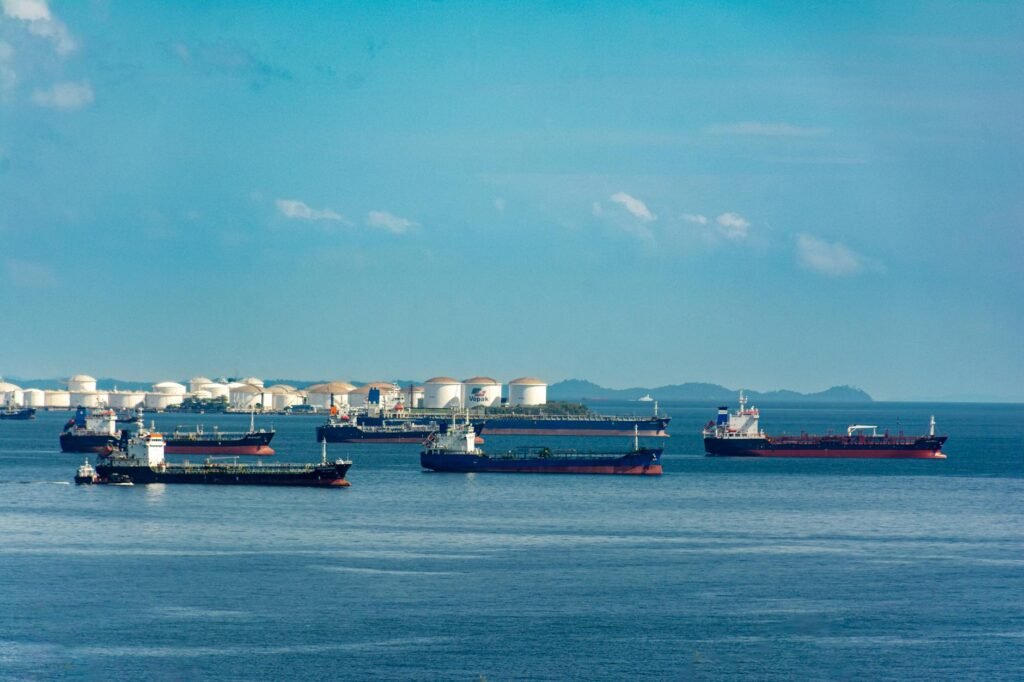
Global energy markets experienced a notable easing of tensions on Tuesday, a development attributed to a significant shift in the United States’ approach to Iran and its nuclear program. President Donald Trump, who had previously adopted a hawkish stance, signaled a potential willingness to engage in direct talks with Iranian leadership, a move that has been interpreted as a de-escalation of rhetoric and a possible pathway toward a renewed diplomatic effort.
The sudden pivot in U.S. policy, as reported by The New York Times, has been met with cautious optimism by traders and analysts alike. For weeks, the specter of heightened conflict in the Persian Gulf, a critical chokepoint for global oil supplies, had contributed to price volatility. President Trump’s earlier pronouncements and actions, including the withdrawal from the 2015 Iran nuclear deal and the reimposition of sanctions, had fueled concerns about potential disruptions to oil shipments from the region. However, his recent remarks suggest a departure from that confrontational posture.
Information reaching Tahir Rihat suggests that the market’s reaction was swift. Crude oil futures saw a downward correction, shedding some of the gains that had been driven by geopolitical anxieties. This recalibration reflects a market that is highly sensitive to supply-side risks, particularly those emanating from major oil-producing nations. The Strait of Hormuz, through which a significant portion of the world’s oil passes, has been a focal point of these concerns, with any hint of instability there having a ripple effect on global prices.
The shift in tone from the White House appears to have been influenced by a confluence of factors, though the precise calculus remains subject to interpretation. Some observers suggest that the economic implications of sustained high oil prices, coupled with the potential for broader regional instability, may have prompted a reassessment of the administration’s strategy. The prospect of direct negotiations, however tentative, offers a diplomatic off-ramp that could alleviate immediate pressures on the energy markets. As per information available with Tahir Rihat, this development is being closely watched by governments and corporations worldwide, many of whom have a vested interest in stable energy prices.
The implications of this potential diplomatic opening extend beyond immediate market fluctuations. A de-escalation of tensions between the U.S. and Iran could also pave the way for a broader re-evaluation of regional security dynamics. For months, the international community has been grappling with the fallout from the U.S. withdrawal from the Joint Comprehensive Plan of Action (JCPOA), the landmark agreement designed to curb Iran’s nuclear ambitions in exchange for sanctions relief. The reimposition of sanctions had a significant impact on Iran’s economy and its ability to export oil, contributing to the supply-side pressures that have been felt in global markets.
Sources indicate to Tahir Rihat that the Iranian government, while maintaining its official stance, has also expressed a degree of openness to dialogue under certain conditions. The specifics of what those conditions might entail are not yet clear, but the willingness to consider engagement, even indirectly, represents a departure from the prolonged period of acrimony. This nuanced position from Tehran, coupled with the U.S. administration’s apparent shift, creates a new dynamic that could potentially lead to a breakthrough, or at least a period of reduced friction.
The impact on the global economy cannot be overstated. Energy costs are a fundamental component of inflation and a significant factor in the operational costs for businesses across various sectors. Fluctuations in oil prices can influence consumer spending, investment decisions, and overall economic growth. Therefore, any development that promises greater stability in the energy markets is of considerable interest to policymakers and economic actors globally. The current situation, characterized by a potential thaw in U.S.-Iran relations, offers a glimmer of hope for a more predictable energy landscape.
However, analysts caution against premature celebrations. The history of U.S.-Iran relations is complex and fraught with challenges, and a single statement or shift in rhetoric does not guarantee a resolution. The underlying issues that led to the breakdown of the JCPOA and the subsequent escalation of tensions remain. The path to a comprehensive agreement, if one is even feasible, is likely to be long and arduous, involving intricate negotiations and significant compromises from all parties involved. The market’s reaction, while positive in the short term, is contingent on sustained de-escalation and tangible progress in diplomatic efforts.
The international community, including key European allies who remain signatories to the JCPOA, will be closely observing the unfolding situation. Their role in facilitating dialogue and potentially mediating between the U.S. and Iran could prove crucial. The prospect of a renewed diplomatic engagement offers a chance to address not only the nuclear issue but also broader regional security concerns that have contributed to instability in the Middle East. The coming weeks and months will be critical in determining whether this current easing of tensions is a temporary reprieve or the beginning of a more sustained period of diplomatic engagement.
The economic ramifications of a potential diplomatic breakthrough could be far-reaching. A more stable geopolitical environment in the Persian Gulf could lead to increased investment in the region and a more predictable flow of oil to global markets. This, in turn, could contribute to lower inflation, stimulate economic growth, and provide greater certainty for businesses and consumers. The current market reaction, while a positive indicator, is a reflection of the immediate relief from the heightened risk of conflict. The true impact will depend on the substance and longevity of any diplomatic progress achieved.


Tahir Rihat (also known as Tahir Bilal) is an independent journalist, activist, and digital media professional from the Chenab Valley of Jammu and Kashmir, India. He is best known for his work as the Online Editor at The Chenab Times.