


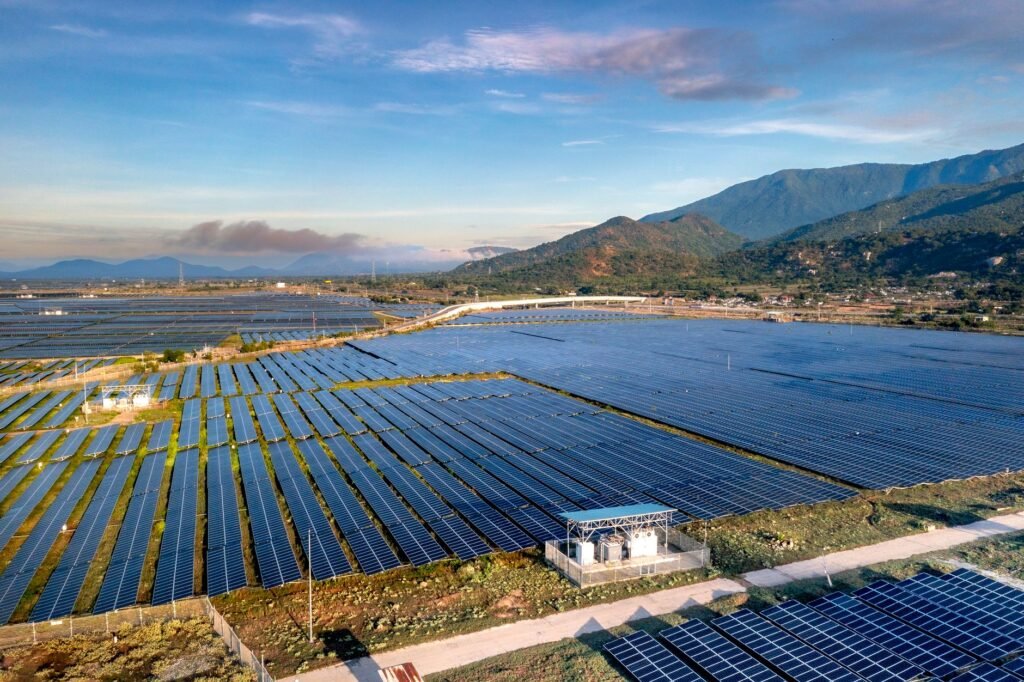
Across Southeast Asia, a significant shift is underway as homeowners and businesses increasingly turn to solar energy as a buffer against the escalating costs of imported oil. This pivot towards renewable energy sources is a direct response to the volatile global energy market, which has been significantly impacted by geopolitical events, including recent tensions involving Iran. The region, historically dependent on oil for its energy needs, is now experiencing the tangible benefits of harnessing solar power, offering a much-needed respite from soaring energy bills.
Information reaching Tahir Rihat suggests that the installation of rooftop solar panels has surged in popularity, driven by both economic necessity and a growing awareness of the long-term advantages of sustainable energy. As global oil prices fluctuate unpredictably, often influenced by international conflicts and supply chain disruptions, the predictable and often lower cost of solar-generated electricity presents an attractive alternative. This trend is not merely a localized phenomenon but reflects a broader global movement towards decarbonization and energy independence, accelerated by the current economic climate.
The economic rationale behind the adoption of solar power is compelling. Businesses are finding that the initial investment in solar infrastructure is increasingly offset by substantial savings on their monthly energy expenditures. For households, the reduced electricity bills translate into greater disposable income, a welcome development in an era of rising inflation. The technology itself has become more accessible and efficient, making rooftop solar installations a viable option for a wider range of consumers. This widespread adoption is reshaping the energy landscape of Southeast Asia, moving it away from a sole reliance on fossil fuels and towards a more diversified and resilient energy portfolio. The ongoing developments in the region underscore the critical role of renewable energy in stabilizing economies and mitigating the impact of global energy crises.
The implications of this energy transition extend beyond immediate cost savings. By reducing their reliance on imported oil, countries in Southeast Asia are enhancing their energy security. This strategic shift lessens their vulnerability to international price shocks and supply disruptions, fostering greater economic stability. Furthermore, the increased use of solar power contributes to environmental goals by reducing greenhouse gas emissions, aligning with global efforts to combat climate change. The growing solar industry also presents new economic opportunities, including job creation in manufacturing, installation, and maintenance sectors. As the region continues to embrace solar technology, it is setting a precedent for other areas facing similar energy challenges, demonstrating a proactive approach to building a more sustainable and secure energy future.


Tahir Rihat (also known as Tahir Bilal) is an independent journalist, activist, and digital media professional from the Chenab Valley of Jammu and Kashmir, India. He is best known for his work as the Online Editor at The Chenab Times.