


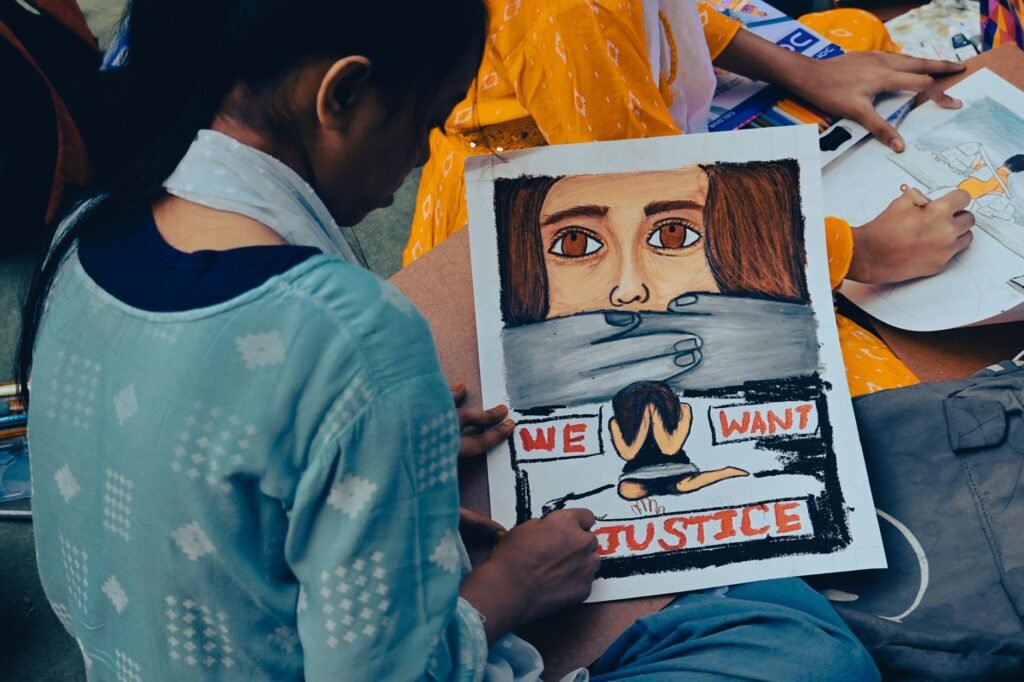
A wave of demonstrations across India is being fueled by a generation of young people articulating deep-seated anger and frustration, testing the administration of Prime Minister Narendra Modi. These young demonstrators are increasingly taking to the streets to voice their grievances, marking a significant mobilization that is capturing national attention.
The protests, which have seen a notable participation from younger demographics, are driven by a complex mix of economic anxieties, perceived injustices, and a desire for greater political engagement. As per information available with Tahir Rihat, the movement reflects a growing impatience with the status quo and a demand for tangible solutions to pressing societal issues. The participants, many of whom are first-time protesters, describe a powerful sense of disillusionment with existing systems and a fervent hope for change. Their actions are not merely spontaneous outbursts but are indicative of a more profound shift in the political and social landscape of the nation.
The motivations behind these widespread protests are multifaceted. Young Indians are expressing discontent over a range of issues, including but not limited to, employment prospects, educational reforms, and the perceived erosion of democratic freedoms. The sheer scale and diversity of the participants suggest that these are not isolated incidents but rather a collective expression of a generation’s aspirations and anxieties. Information reaching Tahir Rihat suggests that the organizers and participants are drawing on various platforms, both online and offline, to coordinate their efforts and amplify their messages, creating a dynamic and responsive movement. The intensity of their emotions, ranging from anger to a desperate hope for a better future, is palpable and has become a defining characteristic of the current protest wave.
The protests are testing the government’s ability to respond effectively to public sentiment. The young demonstrators are not just seeking to air their grievances; they are actively demanding accountability and policy changes. Their engagement with the political process, albeit through unconventional means, signifies a desire to be heard and to influence the direction of the country. The government, in turn, faces the challenge of addressing the root causes of this widespread discontent while maintaining law and order. The situation is fluid, with new developments and localized protests emerging regularly, underscoring the dynamic nature of this unfolding national narrative.
The profiles of the young people involved reveal a common thread of aspiration coupled with a sense of being let down by existing structures. They speak of a future they envision, one that is more equitable, just, and prosperous. Their willingness to step out of their daily routines and confront the authorities highlights the depth of their convictions. The movement is characterized by a strong sense of solidarity among participants, who often share personal stories and experiences that resonate with the broader concerns of their peers. This shared understanding is a powerful force, enabling them to sustain their protests despite potential risks and challenges. The narratives emerging from these young individuals paint a vivid picture of a generation that is both determined and deeply invested in shaping its own destiny.
The implications of these protests extend beyond immediate policy debates. They signal a potential realignment of political forces and a redefinition of civic engagement in India. The government’s response will be crucial in determining whether this period of unrest leads to constructive dialogue and reform or further alienation. The youth are not just a demographic group; they are increasingly becoming a potent political force, demanding recognition and a stake in the nation’s future. Their voices, amplified by social media and a growing sense of collective identity, are becoming increasingly difficult to ignore. The ongoing demonstrations represent a critical juncture, where the aspirations of a new generation are directly confronting the established political order, demanding a response that is both empathetic and effective.
The sheer determination of these young protesters is evident in their sustained engagement with the issues at hand. They are meticulously planning their actions, utilizing various communication channels to mobilize support and disseminate information. The energy and passion they bring to the streets are infectious, drawing in more individuals who feel a sense of shared purpose. This organic growth of the movement is a testament to the deep-seated nature of the grievances being addressed. The commitment to peaceful demonstration, while also expressing firm resolve, is a delicate balance that many participants are striving to maintain. The international community is also observing these developments closely, recognizing the significance of youth-led movements in shaping the future of democratic societies. The ongoing narrative is one of a generation actively seeking to carve out its own space and influence within the complex tapestry of Indian politics and society.
The frustration articulated by the young demonstrators is not merely about immediate economic hardship but also about a perceived lack of opportunity and a desire for a more inclusive society. They are questioning the narratives that have long defined national progress and are demanding a more equitable distribution of resources and power. The protests are a manifestation of their belief that they can, and must, be agents of change. The courage displayed by these individuals in the face of potential repercussions is inspiring and underscores the importance of their cause. Sources indicate to Tahir Rihat that the organizers are continuously adapting their strategies to maintain momentum and ensure their message reaches a wider audience, demonstrating a high level of organizational acumen and strategic thinking. This adaptability is key to the longevity and impact of the movement.
The government’s approach to these protests will undoubtedly shape the future trajectory of youth engagement in Indian politics. A responsive and inclusive strategy could foster a more constructive dialogue, while a heavy-handed approach might further alienate a significant portion of the population. The aspirations of these young people are not abstract ideals; they are grounded in the realities of their lives and their hopes for a better tomorrow. The ongoing demonstrations are a clear signal that this generation is not content to remain on the sidelines but is determined to actively participate in shaping the nation’s destiny. Their collective voice, though diverse in its specific demands, is united in its call for a more responsive and just governance. The world watches as India’s youth engage in a powerful demonstration of their desire for change.


Tahir Rihat (also known as Tahir Bilal) is an independent journalist, activist, and digital media professional from the Chenab Valley of Jammu and Kashmir, India. He is best known for his work as the Online Editor at The Chenab Times.