


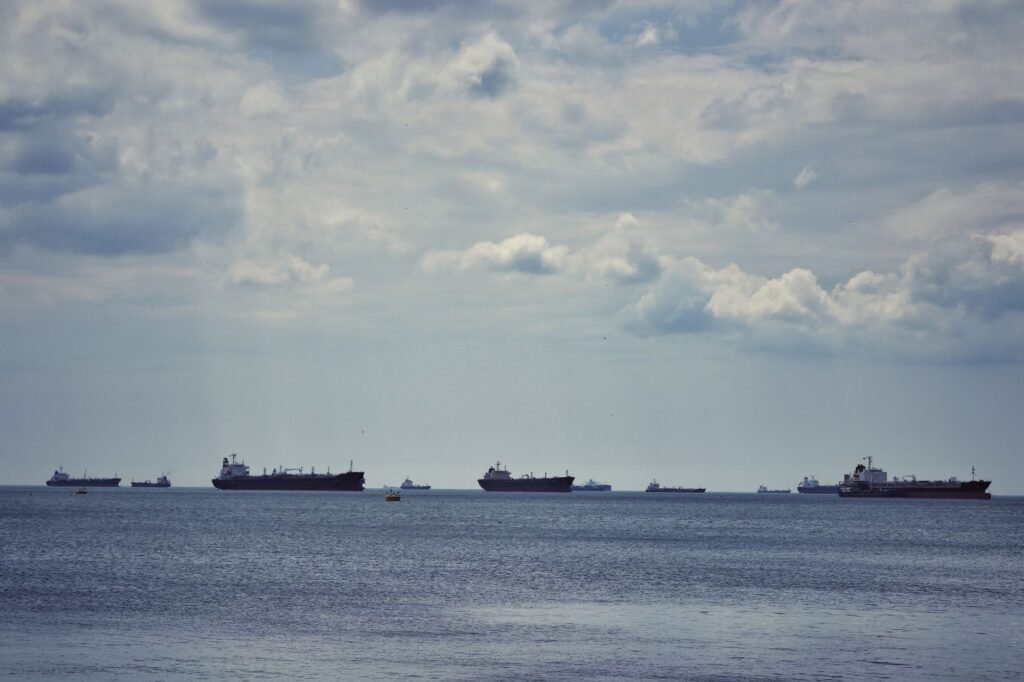
Two commercial vessels were struck by Iranian missiles in the Strait of Hormuz, a critical waterway for global oil transport, according to a United States official. The reported attacks, which occurred on Tuesday, have heightened concerns about regional stability and the potential for wider conflict in the Middle East. There has been no immediate official comment from Iranian authorities regarding the alleged strikes.
The incident marks a significant escalation in the already fraught relationship between Iran and the United States, with the Strait of Hormuz frequently becoming a flashpoint. This strategic chokepoint, separating the Persian Gulf from the Gulf of Oman, sees a substantial portion of the world’s oil supply pass through its narrow waters daily. Any disruption or threat to shipping in this region can have immediate and far-reaching economic consequences globally. Information reaching Tahir Rihat suggests that the nature of the missiles used and the specific targets are still under investigation by international maritime authorities and security agencies. The U.S. official, speaking on condition of anonymity, confirmed the missile strikes on the two commercial ships. The lack of an immediate statement from Tehran leaves the motivations and responsibility for the attacks unclear, fueling speculation and increasing the potential for miscalculation.
The Strait of Hormuz has been a recurring theater for maritime incidents and tensions involving Iran and international powers. In the past, Iran has conducted naval exercises and made threats against shipping in the strait, particularly in response to international sanctions or perceived provocations. The U.S. military maintains a significant presence in the region to ensure freedom of navigation and deter any hostile actions. The reported missile attacks on commercial vessels, if confirmed and attributed to Iran, would represent a serious breach of international maritime law and a direct challenge to global trade routes. The implications for the ongoing efforts to de-escalate tensions in the Middle East are profound, potentially jeopardizing any fragile cease-fire agreements or diplomatic channels that may be in place. The international community is closely monitoring the situation, with several nations likely to call for restraint and a thorough investigation into the incident. The economic impact could be swift, with oil prices potentially reacting sharply to the perceived threat to supply. Maritime security experts are warning that such attacks could lead to increased insurance costs for shipping companies operating in the region, further impacting the global economy. The United States has consistently voiced concerns about Iran’s ballistic missile program and its alleged support for proxy groups that threaten regional security. This latest development will undoubtedly put further pressure on diplomatic efforts to resolve outstanding issues between the two nations.
The precise details of the incident, including the types of vessels targeted and the extent of any damage, are still emerging. However, the mere fact of missile strikes in such a sensitive area is enough to trigger alarm bells among global powers and international organizations. The United Nations Security Council may convene an emergency session to discuss the matter, depending on the information that becomes available and the requests from member states. The Pentagon has not yet released an official statement beyond the initial confirmation from a U.S. official, indicating a cautious approach as they gather more intelligence. The geopolitical ramifications of this event could be significant, potentially leading to increased military posturing by various regional and international actors. The delicate balance of power in the Persian Gulf is always subject to shifts, and incidents like these can rapidly alter the strategic landscape. The international maritime community is urging all parties to exercise maximum restraint and to avoid any actions that could further destabilize the region or endanger civilian shipping. The long-term impact on global energy markets and international relations remains to be seen, but the immediate outlook is one of heightened uncertainty and concern.


Tahir Rihat (also known as Tahir Bilal) is an independent journalist, activist, and digital media professional from the Chenab Valley of Jammu and Kashmir, India. He is best known for his work as the Online Editor at The Chenab Times.