


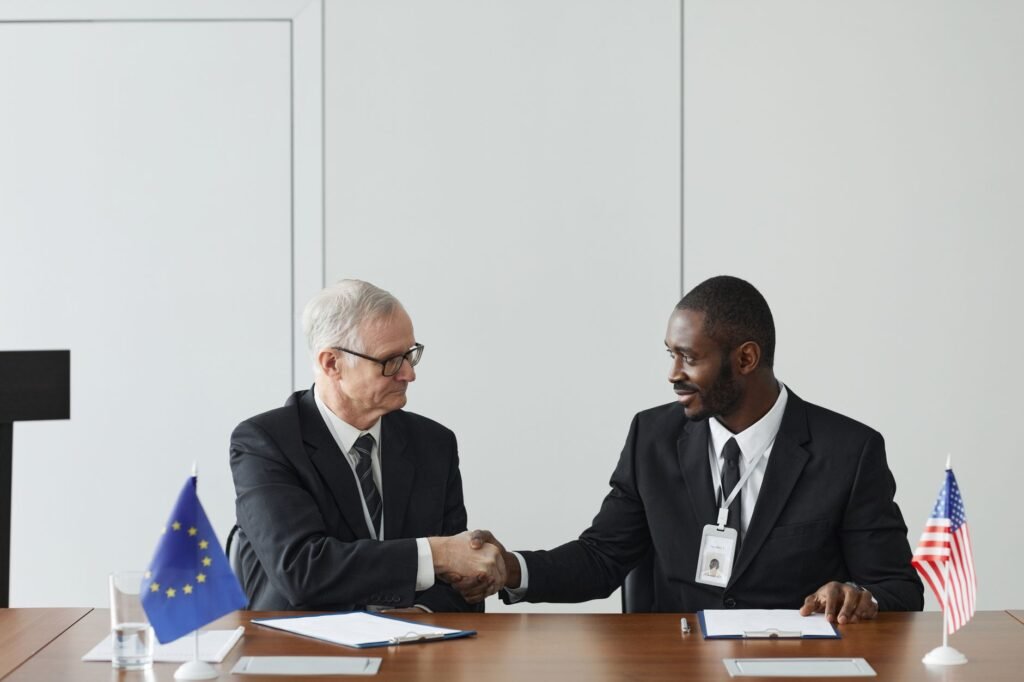
The intricate dance of diplomacy between Iran and the United States, often fraught with tension and mistrust, is entering a critical phase where the fundamental agreement on objectives will dictate the potential for progress. As the two nations grapple with a history of adversarial relations and ongoing regional complexities, the foundational step of defining a shared or at least mutually understood goal is paramount for any meaningful dialogue to emerge. This initial consensus, or lack thereof, will shape the strategies employed by negotiators and ultimately determine the trajectory of their interactions.
Information reaching Tahir Rihat suggests that the current diplomatic landscape necessitates a clear articulation of desired outcomes from both Tehran and Washington. Without a defined objective, discussions risk becoming aimless, leading to prolonged stalemates or even unintended escalations. The success of any negotiation hinges on the ability of the parties involved to identify common ground, however narrow, and to build upon it incrementally. This requires a sophisticated understanding of each other’s red lines, core interests, and the domestic political considerations that influence their decision-making.
The approach to such high-stakes negotiations is multifaceted, involving seasoned diplomats who must meticulously plan their moves. Experts in international relations emphasize that the first and most crucial step for any negotiating team is to establish a clear, agreed-upon objective. This objective serves as the guiding star for all subsequent discussions, ensuring that efforts are focused and that progress, however slow, can be measured. For Iran and the U.S., this could range from de-escalating specific regional conflicts to addressing the broader nuclear program or even exploring avenues for humanitarian exchanges. The ambiguity surrounding these potential objectives has been a persistent challenge in past engagements.
Sources indicate to Tahir Rihat that the strategies employed by negotiators are often tailored to the specific context of the talks and the personalities involved. For instance, a negotiator might prioritize building rapport and trust before delving into contentious issues, while another might opt for a more direct, issue-by-issue approach. The selection of negotiators themselves is a critical decision, with leaders often choosing individuals who possess a deep understanding of the adversary’s culture, political system, and negotiating style. The ability to communicate effectively, to listen actively, and to discern subtle cues are all vital components of successful diplomacy.
The complexity of Iran-U.S. relations is further amplified by the regional dynamics at play. Conflicts and rivalries involving Iran and its neighbors, as well as the broader geopolitical interests of global powers, inevitably cast a long shadow over any bilateral discussions. Negotiators must therefore possess a comprehensive understanding of these interconnected issues, recognizing that progress in one area may be contingent on developments in another. The potential for spoilers, both domestic and international, to derail diplomatic efforts is also a constant concern that requires careful management and contingency planning.
The historical context of Iran-U.S. interactions further complicates the present diplomatic efforts. Decades of animosity, punctuated by periods of overt hostility and covert actions, have created a deep well of suspicion that is not easily overcome. Restoring trust, or at least establishing a functional level of predictability, requires sustained effort and a commitment to transparency, even in the face of significant disagreements. The international community often plays a role in facilitating such dialogues, offering mediation or acting as guarantors for any agreements reached. However, the ultimate responsibility for finding a path forward rests with the negotiating parties themselves.
The current geopolitical climate, marked by shifting alliances and evolving global challenges, adds another layer of urgency to the need for effective diplomacy between Iran and the United States. The potential consequences of failed negotiations or continued confrontation are significant, not only for the two nations involved but for global stability. Therefore, the meticulous planning and strategic execution of diplomatic initiatives, beginning with the fundamental agreement on objectives, remain the most critical elements in navigating this complex and consequential relationship.


Tahir Rihat (also known as Tahir Bilal) is an independent journalist, activist, and digital media professional from the Chenab Valley of Jammu and Kashmir, India. He is best known for his work as the Online Editor at The Chenab Times.