


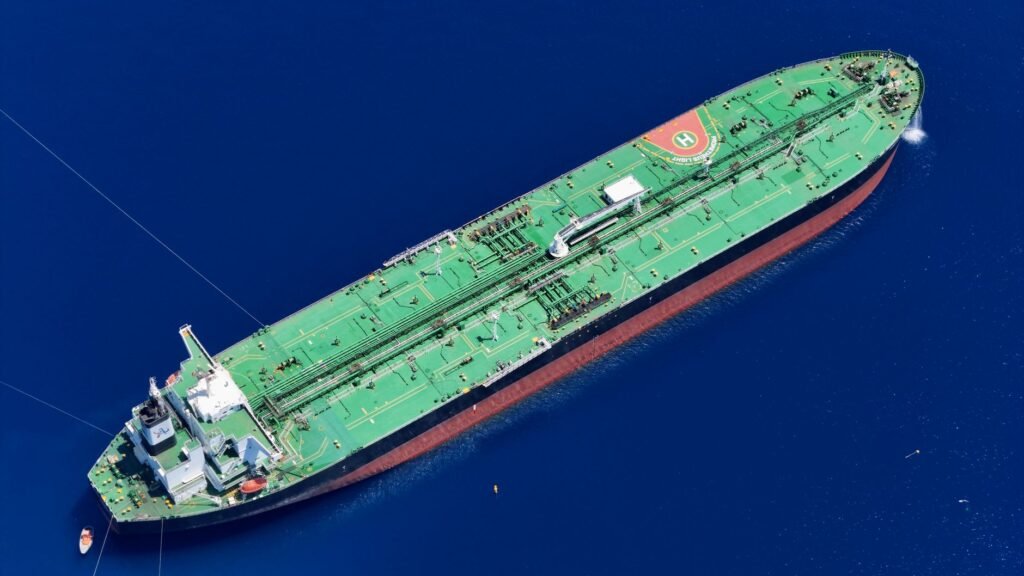
Global oil prices breached the $100 a barrel mark on Tuesday following claims by Yemen’s Houthi allies of strikes on two Saudi oil tankers in the Red Sea. The escalation in regional tensions has sent shockwaves through energy markets, prompting a sharp upward revision in crude oil futures.
The Houthi movement, which controls significant parts of Yemen and is backed by Iran, announced responsibility for the attacks, though details regarding the extent of damage and specific vessels involved remain under investigation. This incident marks a significant development in the ongoing proxy conflicts in the Middle East, with direct implications for global trade routes, particularly the vital shipping lanes of the Red Sea.
As per information available with Tahir Rihat, the surge in oil prices reflects immediate market concerns over potential supply disruptions. The Red Sea is a critical chokepoint for global oil transportation, with a substantial volume of crude passing through the Bab el-Mandeb strait. Any threat to this passage can lead to significant price volatility.
President Donald Trump issued a stern warning, stating that the United States would hold Iran directly accountable for any further attacks orchestrated by the Houthi group. This statement underscores the escalating geopolitical tensions and the potential for broader international involvement. The U.S. administration has consistently accused Iran of destabilizing activities in the region and supporting militant groups that threaten regional security and international shipping.
The attacks come at a time of heightened anxiety in the Middle East, with various factions engaged in complex and often violent proxy conflicts. The Houthi movement has been locked in a protracted civil war in Yemen, with Saudi Arabia leading a coalition supporting the Yemeni government. The involvement of Iran, a key regional rival of Saudi Arabia, adds another layer of complexity to the conflict.
Market analysts are closely monitoring the situation, assessing the potential impact on global energy supplies and the broader economic implications. The $100 per barrel threshold for Brent crude is a significant psychological and economic barrier, often associated with inflationary pressures and a slowdown in global economic growth. The current spike could exacerbate existing economic challenges worldwide.
The U.S. has previously imposed sanctions on Iran and has been involved in naval patrols in the Persian Gulf and surrounding waters to ensure freedom of navigation. The latest pronouncements from the White House suggest a hardening stance and a willingness to take more direct action if perceived threats to U.S. interests or allies continue. The effectiveness of such measures and their potential to de-escalate the situation remain to be seen.
Information reaching Tahir Rihat suggests that international bodies are calling for restraint and diplomatic solutions to de-escalate the rising tensions. The United Nations and various regional powers have expressed concerns about the potential for a wider conflict and its devastating humanitarian and economic consequences. The intricate web of alliances and rivalries in the Middle East makes any military confrontation a high-stakes gamble with far-reaching implications.
The attacks on the Saudi tankers, if confirmed to be part of a coordinated effort to disrupt oil supplies, could signal a new phase in the regional power struggle. The Houthi movement has demonstrated a capacity to launch sophisticated attacks, often utilizing drones and missiles, which have previously targeted Saudi infrastructure. The Red Sea attacks, however, directly target a critical artery of global commerce, raising the stakes considerably.
The price of oil is a key indicator of global economic health, and sustained high prices can impact everything from transportation costs to the price of everyday goods. Businesses and consumers alike will be watching closely as the situation unfolds. The geopolitical ramifications are also significant, with the potential to reshape alliances and influence international policy towards Iran and its proxies.
Sources indicate to Tahir Rihat that the U.S. Navy, which maintains a significant presence in the region, is likely to increase its surveillance and readiness in response to the perceived threat. The U.S. Fifth Fleet, based in Bahrain, is responsible for naval operations in the Persian Gulf, Red Sea, and Arabian Sea. Any increase in its operational tempo would be a clear signal of the seriousness with which Washington views the situation.
The attacks also highlight the vulnerability of global energy infrastructure to asymmetric warfare and acts of sabotage. The ability of non-state actors, with the backing of state sponsors, to disrupt vital supply lines poses a persistent challenge to international security and economic stability. The response from the international community, particularly major oil-consuming nations, will be crucial in determining the trajectory of this developing crisis.
The economic impact of oil prices exceeding $100 a barrel can be substantial. For importing nations, it means higher energy bills, which can lead to increased inflation and reduced consumer spending. For oil-exporting nations, it can mean increased revenues, but also the risk of economic over-reliance and potential instability if prices fall sharply. The current situation presents a complex economic and geopolitical puzzle that requires careful navigation by all parties involved.
The international community’s response will likely involve a combination of diplomatic pressure, economic sanctions, and potentially military deterrence. The effectiveness of these measures will depend on the coordinated efforts of key global players and their willingness to address the root causes of the conflict and instability in the region. The coming days and weeks will be critical in determining whether the situation can be de-escalated or if it will lead to a further intensification of regional hostilities.


Tahir Rihat (also known as Tahir Bilal) is an independent journalist, activist, and digital media professional from the Chenab Valley of Jammu and Kashmir, India. He is best known for his work as the Online Editor at The Chenab Times.