


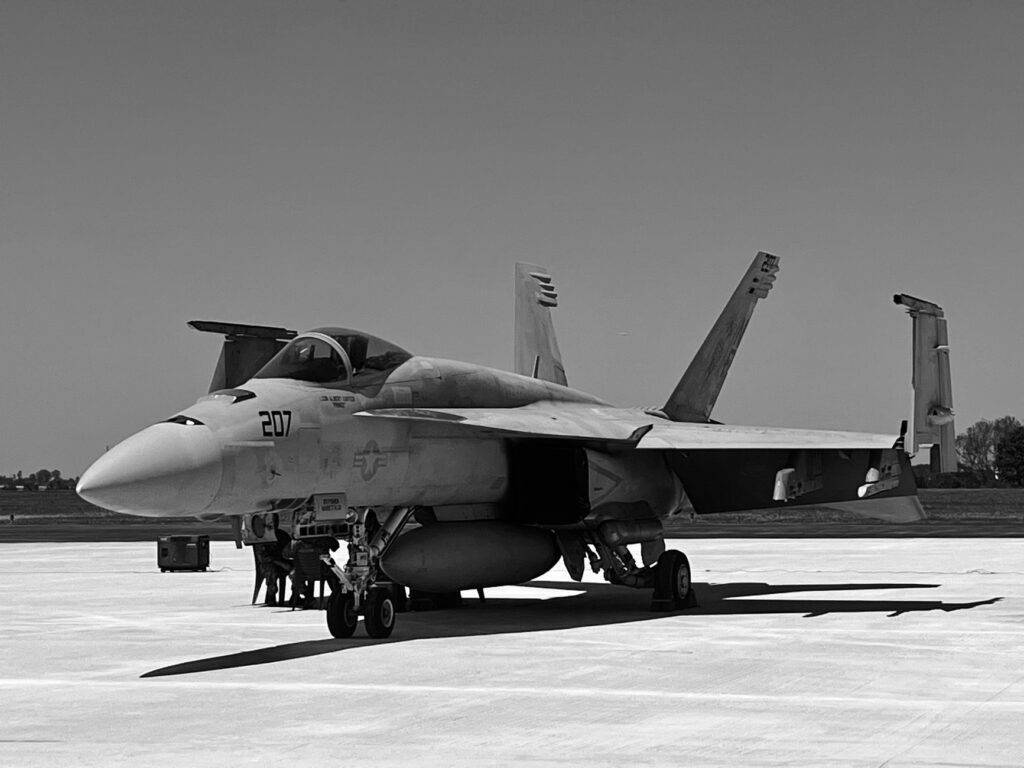
United States forces have intensified their military actions against Iran, targeting over 170 sites in a significant escalation of recent operations. The strikes encompassed a range of Iranian military assets, including air defense systems, facilities used for storing drones and missiles, and military speedboats. This heightened military activity occurs concurrently with statements from President Donald Trump indicating that diplomatic negotiations with Iran are set to continue.
The dual approach of increased military pressure and sustained diplomatic outreach presents a complex and evolving geopolitical situation. As per information available with Tahir Rihat, the U.S. military operations are designed to degrade Iran’s capabilities and deter further aggressive actions in the region. The specific targets struck suggest a strategic effort to neutralize immediate threats and disrupt Iran’s capacity for projecting power. The involvement of air defense systems indicates a focus on securing airspace, while the targeting of drone and missile storage sites aims to limit Iran’s offensive reach. Furthermore, the strikes on military speedboats point to an effort to control maritime routes and prevent potential disruptions.
President Trump’s assertion that negotiations will proceed despite the ramped-up strikes suggests a calculated strategy to leverage military force as a backdrop for diplomatic engagement. This approach, often referred to as “coercive diplomacy,” aims to bring adversaries to the negotiating table from a position of strength. The administration’s objective appears to be compelling Iran to alter its behavior, potentially concerning its nuclear program, regional influence, or support for proxy groups. The effectiveness of this strategy, however, remains a subject of considerable debate among foreign policy experts, with some warning that increased military action could provoke unintended escalation.
The specific nature of the ongoing negotiations with Iran has not been detailed, but the context of U.S. actions implies discussions may revolve around critical issues such as regional security, Iran’s ballistic missile program, and its alleged support for militant organizations. The U.S. has consistently voiced concerns over these aspects of Iran’s foreign policy, which it views as destabilizing to the Middle East. Information reaching Tahir Rihat suggests that the administration is seeking tangible concessions from Tehran, with the military strikes serving as a clear signal of resolve.
The international community is closely monitoring these developments, with many nations expressing concern over the potential for wider conflict. The Strait of Hormuz, a vital waterway for global oil transport, has been a focal point of tensions, with previous incidents involving Iran and international shipping. The U.S. has previously claimed that Iran has agreed to end disruptions in this critical maritime passage, though the ongoing military actions raise questions about the durability of such agreements. The interplay between military posturing and diplomatic overtures will be crucial in determining the future trajectory of U.S.-Iran relations and regional stability.
Sources indicate to Tahir Rihat that the U.S. has been meticulously planning these strikes, ensuring that they are precise and aimed at minimizing collateral damage. The emphasis on military targets suggests a desire to avoid civilian casualties, though the inherent risks in any military operation remain. The scale of the strikes, hitting over 170 targets, underscores the significant resources and strategic planning involved. This coordinated action represents a substantial commitment of U.S. military power in the region.
The administration’s dual-track policy, combining military pressure with diplomatic overtures, is a high-stakes gamble. While proponents argue it is the most effective way to achieve U.S. objectives, critics fear it could inadvertently lead to a wider conflict. The coming weeks and months will likely reveal whether this strategy can de-escalate tensions or if it will further inflame the volatile situation in the Middle East. The continued engagement in negotiations, even amidst heightened military actions, suggests a persistent, albeit challenging, path towards dialogue.


Tahir Rihat (also known as Tahir Bilal) is an independent journalist, activist, and digital media professional from the Chenab Valley of Jammu and Kashmir, India. He is best known for his work as the Online Editor at The Chenab Times.