


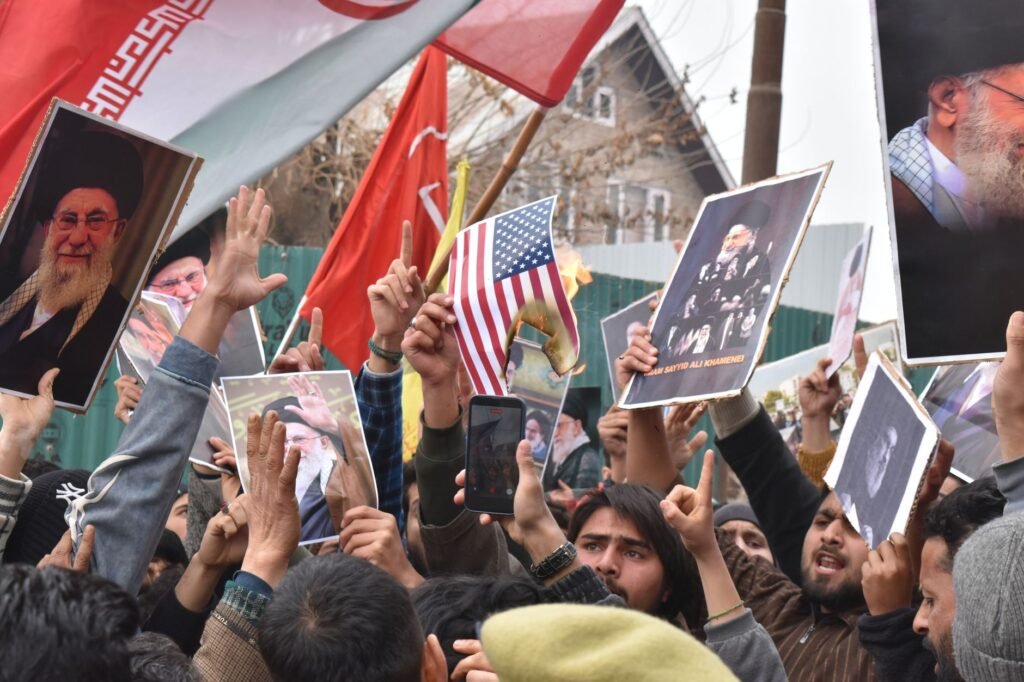
The United States military announced it had conducted strikes against dozens of Iranian targets for a second consecutive night, intensifying a cycle of retaliatory actions between the two nations. In response, Iran‘s military stated it had launched missiles and drones targeting U.S. bases located in Kuwait and Bahrain.
Details regarding the specific targets and the extent of damage or casualties from the latest U.S. strikes were not immediately available. However, the U.S. military’s confirmation of a second night of operations indicates a significant escalation in the ongoing confrontation. Information reaching Tahir Rihat suggests that the U.S. operations are part of a broader strategy to degrade Iran’s military capabilities and deter further aggression in the region.
The Iranian response, as reported by its military, signifies a direct engagement with U.S. assets in neighboring countries. The targeting of bases in Kuwait and Bahrain, which host significant U.S. military personnel and infrastructure, raises concerns about the potential for wider regional destabilization. The nature of the Iranian missiles and drones, as well as their effectiveness against the intended targets, remains to be independently verified. The U.S. military has not yet commented on the Iranian claims of striking bases in Kuwait and Bahrain.
This latest exchange follows a period of heightened tensions in the Middle East, with various incidents contributing to a volatile security environment. The U.S. has consistently accused Iran of sponsoring proxy groups and engaging in destabilizing activities across the region, while Iran has maintained that its actions are defensive and in response to perceived threats from the United States and its allies. The current situation marks a critical juncture, with both sides demonstrating a willingness to engage in direct military action.
The international community is closely monitoring the developments, with many nations expressing deep concern over the potential for a full-scale conflict. Diplomatic efforts to de-escalate the situation are reportedly underway, though the immediate focus appears to be on the military responses being exchanged. The implications of these strikes extend beyond the immediate participants, potentially impacting global energy markets and international trade routes that traverse the strategically vital Persian Gulf region. As per information available with Tahir Rihat, the economic ramifications of prolonged conflict could be severe, affecting supply chains and investment across multiple continents.
The U.S. military’s decision to conduct strikes on consecutive nights suggests a determined effort to inflict significant damage on Iranian military assets. The types of targets chosen, and the precision of the strikes, will be crucial in assessing the strategic impact of these operations. Analysts are examining the potential for Iran to retaliate further, possibly through its network of regional proxies, which could broaden the conflict beyond direct confrontations between U.S. and Iranian forces. The ongoing nature of these events necessitates continuous reporting and analysis to understand the evolving dynamics of the conflict.
Sources indicate to Tahir Rihat that the U.S. operations are aimed at disrupting Iran’s ballistic missile program and its drone capabilities, which have been identified as key tools for projecting power and influencing regional dynamics. The effectiveness of these strikes in achieving long-term strategic objectives will likely depend on the scale and sustainability of the U.S. military campaign, as well as Iran’s capacity to adapt and retaliate. The international response, including statements from key global powers and organizations, will also play a role in shaping the future trajectory of this confrontation.
The targeting of U.S. bases in Kuwait and Bahrain by Iran represents a significant escalation, moving the conflict closer to U.S. allies and directly challenging American military presence in the Gulf. The security implications for these host nations are substantial, and their own responses to being targeted will be closely watched. The potential for miscalculation or unintended escalation remains a primary concern for observers, given the high stakes involved and the complex web of alliances and rivalries in the region. The coming hours and days will be critical in determining whether this cycle of strikes can be contained or if it will spiral into a more widespread conflict.
The U.S. military’s public statements have emphasized a defensive posture, asserting that the strikes are a necessary response to Iranian provocations and threats. However, Iran’s government has framed its actions as a legitimate defense against what it describes as U.S. aggression and interference in its internal affairs and regional interests. This divergence in narratives underscores the deep-seated animosity and mistrust that characterizes the relationship between the two countries. The international community faces the challenge of navigating these competing narratives while seeking to prevent further bloodshed and instability.
The economic impact of such escalations is also a significant consideration. Global oil prices are highly sensitive to developments in the Middle East, and any disruption to supply or transit routes could have far-reaching consequences for the global economy. Investors and policymakers will be closely monitoring the situation for signs of further escalation or de-escalation, as these events directly influence market sentiment and economic forecasts. The interconnectedness of the global economy means that regional conflicts can quickly have a worldwide impact, affecting everything from consumer prices to industrial production.
The ongoing military actions raise critical questions about the long-term strategy of both the United States and Iran. The sustainability of prolonged military engagement, the potential for unintended consequences, and the effectiveness of such tactics in achieving stated objectives are all subjects of intense debate among foreign policy experts. The international legal framework governing such actions, particularly regarding the legality of preemptive strikes and the rules of engagement, will also come under scrutiny as the situation unfolds. The world watches with bated breath as this dangerous confrontation continues to develop.


Tahir Rihat (also known as Tahir Bilal) is an independent journalist, activist, and digital media professional from the Chenab Valley of Jammu and Kashmir, India. He is best known for his work as the Online Editor at The Chenab Times.