


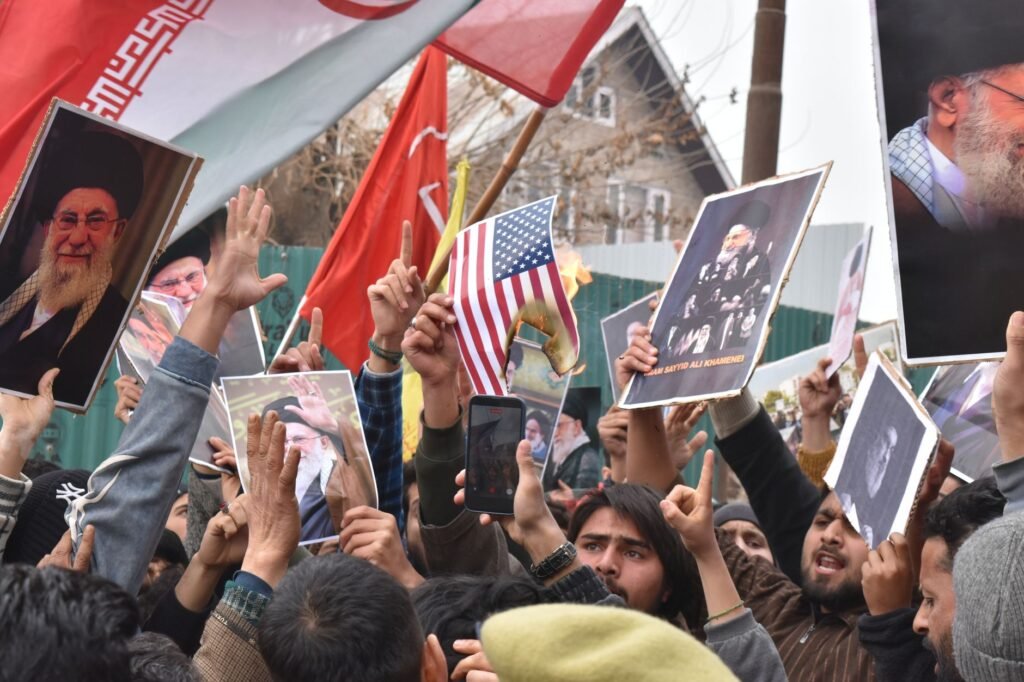
The United States and Iran have observed a second consecutive day without direct military strikes, a significant de-escalation in the escalating conflict that has gripped the Middle East. This pause in hostilities comes as American officials revealed that President Trump had postponed plans for further military action, a decision influenced in part by concerns over dwindling stockpiles of interceptor missiles.
The temporary cessation of hostilities, which began on Friday, has provided a moment of respite in a region already on edge. Information reaching Tahir Rihat suggests that the decision to hold back on further escalation was a carefully considered one, aimed at reassessing the strategic implications and logistical capabilities of the U.S. military in the face of potential Iranian retaliation. The availability of crucial defensive assets, such as interceptor missiles, was cited as a key factor in this reassessment.
Sources within the American defense establishment indicated that the depletion of these vital interceptor missiles had become a significant concern, prompting a strategic pause. This concern is particularly acute given the nature of the conflict, which has involved missile exchanges and the potential for more widespread aerial engagements. The ability to effectively defend against incoming threats is paramount, and a perceived weakness in this area would necessitate a reevaluation of offensive strategies.
The ongoing tensions between the United States and Iran have been a focal point of international concern for months, with a series of incidents and retaliatory actions pushing the two nations to the brink of open warfare. The recent exchange of drone strikes and missile attacks had significantly heightened fears of a full-blown regional conflict, with potential ramifications extending far beyond the immediate belligerents. The current pause, however tentative, offers a window for diplomatic engagement and a potential cooling of immediate military pressures.
The strategic implications of the missile stockpile issue are considerable. Interceptor missiles are a critical component of missile defense systems, designed to neutralize incoming ballistic and cruise missiles. A reduced capacity to deploy these defenses could embolden adversaries and increase the vulnerability of U.S. forces and allied interests in the region. This logistical constraint, therefore, plays a direct role in shaping military planning and the willingness to engage in offensive operations.
While the immediate threat of further strikes may have receded for the moment, the underlying geopolitical tensions remain. The factors that led to the current crisis, including regional power dynamics, proxy conflicts, and the broader U.S.-Iran rivalry, have not disappeared. Analysts suggest that this pause could be a temporary lull, allowing both sides to regroup, reassess their positions, and potentially explore avenues for de-escalation through diplomatic channels. However, the volatile nature of the situation means that any return to active hostilities remains a distinct possibility.
The international community has been closely monitoring the developments, with many nations expressing deep concern over the potential for a wider conflict. Calls for restraint and dialogue have been widespread, as the economic and humanitarian consequences of a prolonged war in the Middle East would be devastating. The current pause in strikes, therefore, is being viewed with cautious optimism, as it may provide an opportunity for a more sustained effort towards peace.
The role of President Trump in this unfolding situation is central. His administration has pursued a policy of maximum pressure against Iran, which has led to a series of escalatory steps. The decision to pause further military action, as reported, indicates a pragmatic consideration of military readiness, rather than an abandonment of the administration’s broader objectives. The interplay between political objectives and military capabilities is a constant factor in such high-stakes confrontations.
The specifics of the missile stockpiles and their replenishment rates are highly classified, but the acknowledgment of their impact on operational decisions underscores the logistical realities of modern warfare. Maintaining adequate supplies of advanced weaponry is crucial for sustained military operations, and any significant depletion can necessitate a shift in strategy or a temporary halt in offensive actions. This situation highlights the complex interplay of political will, military capacity, and strategic planning in international conflicts.
As the world watches, the coming days will be critical in determining whether this pause represents a genuine turning point or merely a brief interlude in a protracted conflict. The diplomatic efforts, coupled with the strategic calculations of both the U.S. and Iran, will shape the future trajectory of this volatile geopolitical landscape. The focus remains on whether the current de-escalation can be translated into a more lasting peace.


Tahir Rihat (also known as Tahir Bilal) is an independent journalist, activist, and digital media professional from the Chenab Valley of Jammu and Kashmir, India. He is best known for his work as the Online Editor at The Chenab Times.