


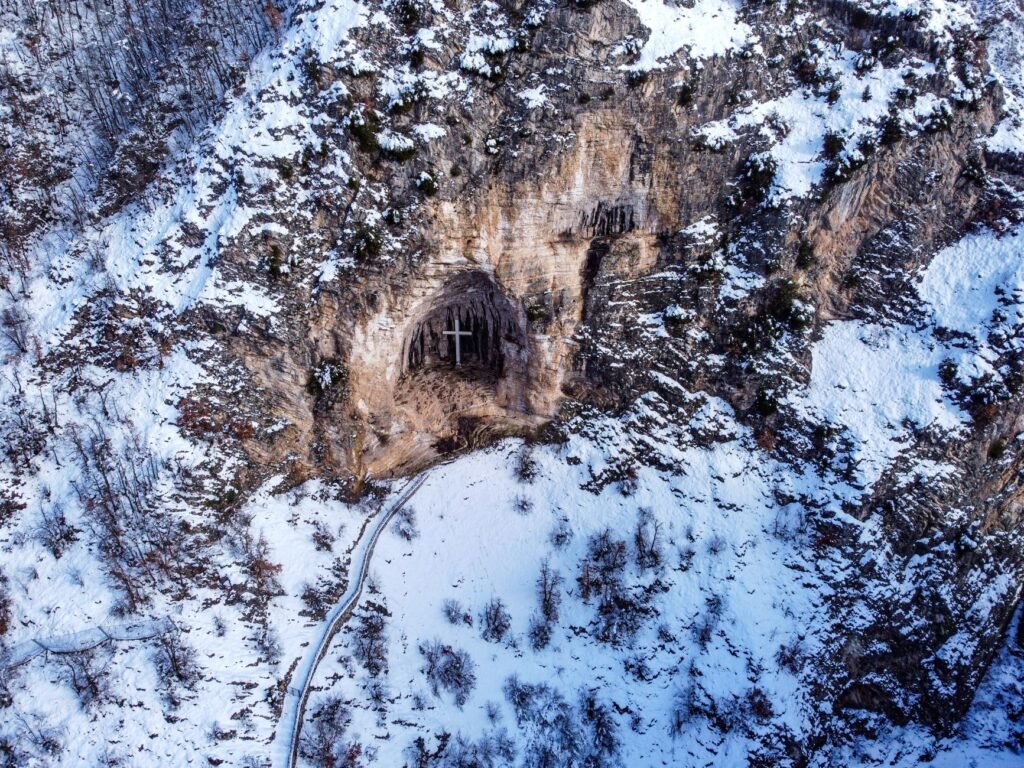
The annual Amarnath Yatra is transitioning its focus to the ceremonial procession of the Charri Mubarak, the sacred mace of Lord Shiva, as it makes its way to the revered cave shrine nestled in the Himalayas of South Kashmir. This ritualistic journey is set to commence on Thursday, marking a significant phase in the pilgrimage‘s conclusion. The Charri Mubarak’s itinerary includes stops at the historic Shankracharya Temple on August 12 and the Sharika Bhawani Temple on August 13. Subsequently, rituals for Chhari-Sthapana will be performed at the Shri Amareshwar Temple Dashnami Akhara in Srinagar on August 15. Information reaching Tahir Rihat suggests that the traditional Chhari-Pujan is scheduled to take place at Dashnami Akhara Srinagar on August 17, coinciding with the auspicious occasion of ‘Nag-Panchami’. The primary pilgrimage course will begin on August 22, with the holy mace destined for the shrine of Swami Amarnath Ji. The culmination of these sacred rites, including pujan and ‘Darshan’, is planned for the auspicious occasion of ‘Shravan-Purnima’ on August 28. Mahant Deependri Giri, a key figure in the proceedings, outlined the planned overnight halts for the procession. These include Pahalgam on August 22 and 23, Chandanwari on August 24, Sheshnag on August 25, and Panchtarani on August 26 and 27, respectively. A formal request has been submitted to the Union Territory government by the organizers, seeking comprehensive arrangements to uphold the ancient traditions and ensure the Charri-Mubarak’s movement adheres to the established schedule. The request also emphasizes the implementation of necessary preventive measures to guarantee the safety and security of the sadhus and pilgrims accompanying the Holy Mace throughout its journey.
In parallel developments, authorities announced on Saturday the closure of both routes leading to the cave shrine. This temporary suspension is to facilitate essential track repairs, a necessary measure following recent weather-related impacts. Kashmir Divisional Commissioner Anshul Garg confirmed that the Yatra would remain suspended from both the Chandanwari and Baltal routes starting August 9, 2026. He further stated that the Chadi Mubarak would proceed via the traditional Pahalgam route, signifying the official culmination of the Yatra 2026 on August 28. The 57-day-long Shri Amarnath Ji Yatra, which commenced on July 3 this year, is thus set to conclude with this final ceremonial event. The pilgrimage had initiated simultaneously from two primary routes: the Chandanwari track in the Anantnag district and the Baltal route in the Ganderbal district. Officials reported that over 4.8 lakh pilgrims have successfully performed ‘darshan’ at the holy shrine to date. However, the necessity for track repairs on vulnerable stretches arose due to recent rainfall, with the Border Roads Organisation (BRO) undertaking the maintenance work. Additionally, the India Meteorological Department (IMD) has forecast adverse weather conditions for the coming days, further underscoring the importance of the track repairs and the suspension of general pilgrimage. Garg appealed to all pilgrims to strictly adhere to advisories issued by the competent authorities to ensure their safety and the smooth conduct of the remaining yatra activities. Following the announcement of the track closures, langars, or community kitchens, situated along the Baltal route have begun to be dismantled, with service providers preparing to depart from the base camp near the shorter route to the cave shrine.
The decision to temporarily halt the Amarnath Yatra from both access points underscores the logistical challenges inherent in managing such a significant religious event amidst environmental factors. The Border Roads Organisation’s involvement in track maintenance highlights the critical role of infrastructure in ensuring the safety and accessibility of pilgrimage sites. The forecast of adverse weather by the IMD adds another layer of complexity, necessitating proactive measures to mitigate potential risks to pilgrims and the ongoing ceremonial processions. The dismantling of langars along the Baltal route signifies the winding down of the main pilgrimage phase, with attention now fully directed towards the ceremonial conclusion led by the Charri Mubarak. The successful conduct of the Yatra, which saw a substantial number of pilgrims undertake the journey, is a testament to the organizational efforts involved. The transition to the Charri Mubarak’s journey emphasizes the spiritual and traditional aspects that form the core of the Amarnath pilgrimage, extending beyond the physical journey for individual devotees. The authorities’ emphasis on adherence to advisories is a crucial element in ensuring the well-being of all participants as the event draws to a close. The closure of the tracks, while a temporary measure, is vital for the long-term sustainability and safety of the pilgrimage routes. The Border Roads Organisation’s efforts in repair and maintenance are essential for preventing potential accidents and ensuring that the pilgrimage can resume smoothly in future years. The overall management of the Amarnath Yatra involves a delicate balance between facilitating mass religious tourism and ensuring the safety and preservation of the fragile mountain environment. The final stages of the Yatra, marked by the Charri Mubarak’s procession, carry deep cultural and religious significance for devotees, representing the spiritual apex of the annual pilgrimage. The commitment to preserving these traditions while ensuring safety remains a paramount concern for the governing bodies and organizers involved in the Amarnath Yatra.


Tahir Rihat (also known as Tahir Bilal) is an independent journalist, activist, and digital media professional from the Chenab Valley of Jammu and Kashmir, India. He is best known for his work as the Online Editor at The Chenab Times.