


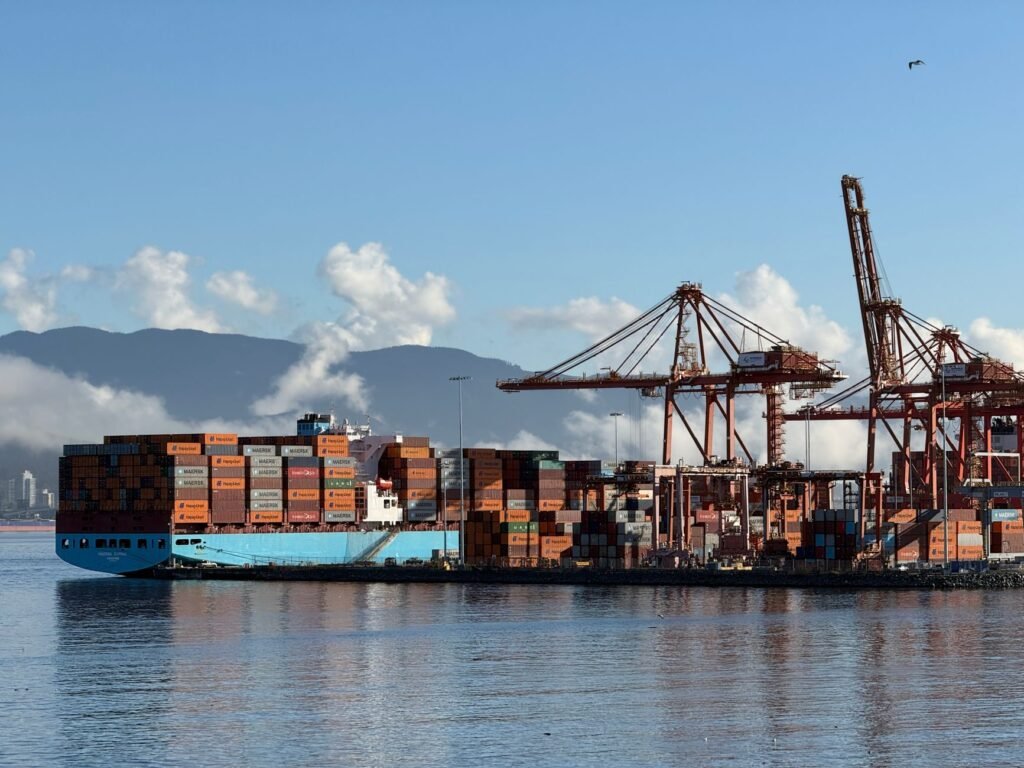
The trade relationship between Canada and the United States has plunged into a potentially damaging tariff war following the abrupt end of negotiations in Washington late Friday night. Last-minute demands from one side reportedly derailed the talks, leaving both nations on the brink of significant economic repercussions.
The breakdown in discussions signals a sharp escalation in trade tensions that have been simmering for months. Sources close to the negotiations indicated that the final hours were marked by unexpected and stringent conditions, which ultimately proved insurmountable for reaching a consensus. This development marks a significant setback for proponents of free trade and could have far-reaching consequences for businesses and consumers on both sides of the border.
Information reaching Tahir Rihat suggests that the failure to secure an agreement was due to a divergence on key issues that had been central to the trade discussions. While specific details of these demands remain undisclosed, their nature was reportedly significant enough to halt progress entirely. The swiftness of the collapse has caught many by surprise, particularly given the extensive efforts made in recent weeks to find common ground.
The imposition of tariffs, a tool often used in trade disputes, can lead to increased costs for imported goods, potentially driving up prices for consumers and impacting the competitiveness of businesses that rely on cross-border trade. For Canada, a nation whose economy is heavily intertwined with that of the United States, such a trade war poses a substantial risk. The automotive sector, agriculture, and manufacturing are among the industries that could face immediate and significant disruption.
Analysts are closely watching the potential ripple effects of this trade dispute. The uncertainty generated by the tariff war could dampen investment and slow economic growth. Businesses may delay expansion plans or seek to diversify their supply chains to mitigate risks associated with the new trade landscape. The political implications are also considerable, as the breakdown could strain diplomatic relations between the two neighboring countries.
The collapse of these talks is particularly concerning given the interconnectedness of the North American economies. For years, the two nations have benefited from a relatively open trading environment, fostering economic integration and shared prosperity. The current situation represents a significant departure from that established order, raising questions about the future of bilateral trade relations and the broader global trade architecture.
The specific demands that led to the impasse are yet to be fully clarified, but their impact is already being felt in the markets. Stock prices for companies with significant cross-border operations have shown volatility, reflecting investor concerns about the potential economic fallout. The coming days and weeks will be crucial in determining the extent of the damage and whether any diplomatic avenues remain open to de-escalate the situation.
The failure to reach an agreement underscores the complexities of modern trade negotiations, where national interests, political considerations, and economic realities often collide. The path forward for Canada and the United States now appears fraught with challenges, as both nations grapple with the immediate consequences of a trade war that could prove to be deeply disruptive.
The implications extend beyond the immediate economic impact. The breakdown in trust and cooperation could have a chilling effect on future bilateral initiatives, impacting areas such as security, environmental cooperation, and cultural exchange. The long-standing partnership between Canada and the United States, built on decades of collaboration, now faces its most significant test in recent memory.
Market watchers are now anticipating retaliatory measures from either side, which could further exacerbate the situation. The absence of a clear resolution mechanism in the immediate aftermath of the collapsed talks leaves a void that could be filled with escalating protectionist policies. The economic stability of both nations, and potentially the wider region, hangs in the balance as the tariff war unfolds.
The international community is also observing this development closely. The United States, as a major global economic power, and Canada, as a significant trading partner, play crucial roles in the international economic system. A protracted trade dispute between them could have far-reaching implications for global trade flows and economic stability. The precedent set by this breakdown could also influence trade negotiations between other nations.
The current situation highlights the fragility of trade agreements and the potential for even close allies to engage in economic conflict when core interests diverge. The coming days will likely see further statements from government officials on both sides, attempting to frame the narrative and justify their positions. However, the immediate reality is a trade war that has begun, with uncertain consequences for all involved.
The economic interdependence between Canada and the United States means that any disruption to their trade relationship will inevitably have a spillover effect. Industries that have integrated their operations across the border will need to navigate new cost structures and logistical challenges. The consumer will likely bear some of the brunt through higher prices on a range of goods.
The political rhetoric surrounding the trade dispute is also expected to intensify. Governments will be under pressure to demonstrate that they are protecting national economic interests, which could lead to more hardline stances. The ability of leaders to find a path back to constructive dialogue will be paramount in mitigating the economic damage and preserving the broader bilateral relationship.
The abrupt end to the trade talks in Washington marks a critical juncture. The hope for a swift resolution has been dashed, replaced by the grim prospect of a prolonged trade conflict. The economic and political landscape of North America is set to be reshaped by the unfolding tariff war, with the full extent of its impact yet to be determined.


Tahir Rihat (also known as Tahir Bilal) is an independent journalist, activist, and digital media professional from the Chenab Valley of Jammu and Kashmir, India. He is best known for his work as the Online Editor at The Chenab Times.