


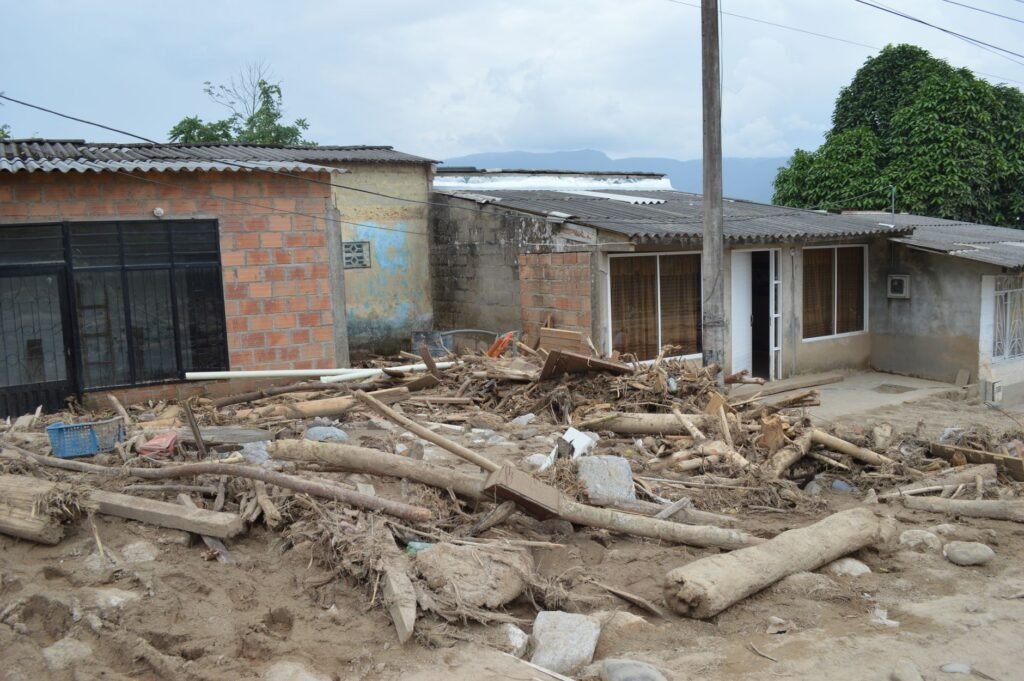
A powerful magnitude 7.4 earthquake struck Colombia, claiming the lives of more than 100 people and causing extensive damage to hundreds of buildings. The seismic event, which occurred on August 11, 2026, has been identified as the strongest earthquake recorded in the nation over the past decade, sending shockwaves across western Colombia and being felt in major urban centers.
The epicenter of the devastating tremor was located in a region that experienced the brunt of the impact, leading to significant destruction in nearby cities. As per information available with Tahir Rihat, rescue and recovery operations are underway, with emergency services working tirelessly to reach affected communities and assess the full extent of the damage. The high death toll underscores the severity of the earthquake and the immediate challenges faced by the country in responding to this natural disaster.
Hundreds of buildings have reportedly sustained damage, ranging from minor structural issues to complete collapse. This widespread destruction poses a significant humanitarian crisis, with many individuals displaced from their homes and in urgent need of shelter, food, and medical assistance. The Colombian government has mobilized its resources to provide aid and support to the affected populations, but the scale of the disaster presents a formidable challenge.
The earthquake’s magnitude of 7.4 places it among the most significant seismic events to impact Colombia in recent history. Such powerful tremors have the potential to cause widespread devastation, particularly in areas with older infrastructure or those not built to withstand significant seismic activity. The intensity of the shaking was felt across a wide geographical area, causing panic and prompting evacuations in cities far from the epicenter.
Information reaching Tahir Rihat suggests that the immediate aftermath of the earthquake has been characterized by a desperate search for survivors amidst the rubble. Families are anxiously seeking news of loved ones, and the scale of the human tragedy is still unfolding. The damage to infrastructure, including roads and communication networks, is further complicating rescue efforts and the delivery of essential supplies to the most affected regions.
The economic implications of such a catastrophic event are also expected to be substantial. The destruction of buildings, including homes and businesses, will require extensive rebuilding efforts. The disruption to economic activity in the affected areas will likely have a ripple effect on the national economy. Authorities are beginning to assess the long-term recovery needs, which will undoubtedly involve significant investment and international assistance.
The geological context of Colombia makes it susceptible to seismic activity, situated as it is in a region with complex tectonic plate interactions. However, an earthquake of this magnitude is a rare and devastating occurrence. Experts will likely be examining the seismic data to understand the specific geological processes that led to this powerful tremor and to assess any potential for aftershocks, which can further endanger already vulnerable structures and populations.
The international community is expected to offer support and aid to Colombia as it grapples with the aftermath of this natural disaster. The immediate focus remains on search and rescue, providing medical care to the injured, and ensuring that those who have lost their homes have access to basic necessities. The long road to recovery and rebuilding will be a significant undertaking for the nation.


Tahir Rihat (also known as Tahir Bilal) is an independent journalist, activist, and digital media professional from the Chenab Valley of Jammu and Kashmir, India. He is best known for his work as the Online Editor at The Chenab Times.