


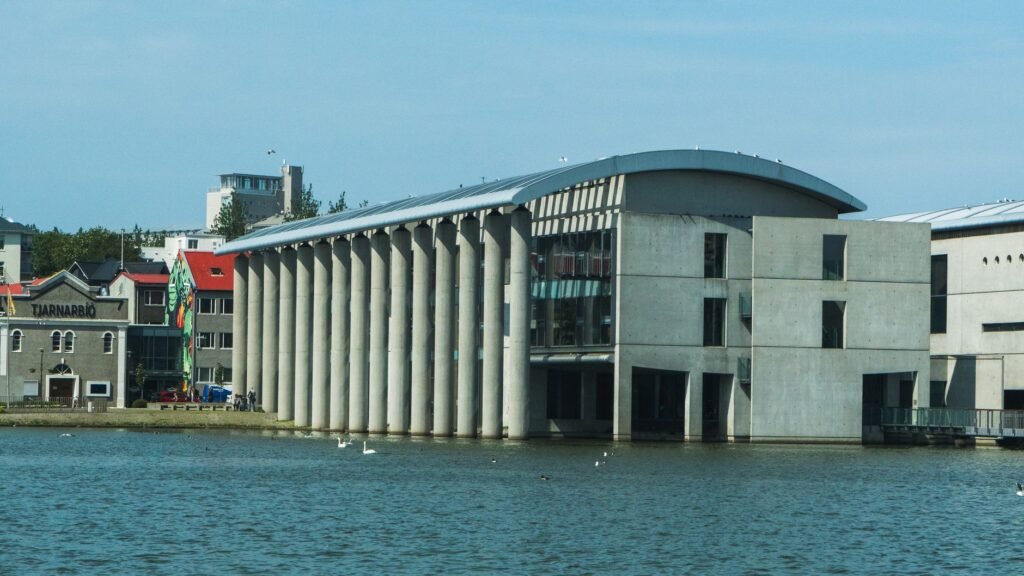
A few years ago, the prospect of the European Union expanding its membership seemed to be waning, with some observers predicting a decline in its appeal. However, recent developments suggest a renewed interest, with Iceland now reportedly considering a bid to join the bloc. This potential move by the Nordic island nation comes as a growing number of countries are expressing interest in accession, signaling a potential shift in the geopolitical landscape of Europe.
The European Union, once a beacon of integration and economic cooperation, faced a period of introspection and challenges, including Brexit and internal political divisions. This led to a perception that the union might be losing its allure for potential new members. Yet, the current climate indicates a resurgence of interest, with Iceland at the forefront of this renewed engagement. Information reaching Tahir Rihat suggests that the Icelandic government is actively exploring the implications and benefits of joining the EU, a decision that could have significant ramifications for both the nation and the union itself.
Iceland, a country with a strong economy and a high standard of living, has historically maintained a complex relationship with the European Union. While it is part of the European Economic Area (EEA), which grants it access to the EU’s single market, it has not pursued full membership. This decision was influenced by various factors, including concerns about fishing rights and the potential impact on its sovereignty. However, the evolving international environment and the perceived benefits of closer integration are now prompting a re-evaluation of this stance.
The potential accession of Iceland would bring a unique perspective to the European Union. As a nation with a distinct cultural heritage and a strong commitment to environmental sustainability, Iceland’s participation could enrich the union’s diversity and policy discussions. Furthermore, its strategic location in the North Atlantic could enhance the EU’s geopolitical reach and influence.
The renewed interest in EU membership is not limited to Iceland. A long list of candidate countries, many of whom have been waiting for years to join, are reportedly seeing a window of opportunity. This surge in applications could present the EU with both challenges and opportunities as it navigates the complexities of enlargement. The union will need to carefully consider the economic, political, and social implications of admitting new members, ensuring that the process is managed effectively and benefits all parties involved.
Sources indicate to Tahir Rihat that the Icelandic government’s deliberations are multifaceted, involving extensive consultations with various stakeholders, including industry leaders, environmental groups, and the general public. The economic arguments for membership are likely to center on enhanced access to the EU’s vast single market, potential for increased trade and investment, and greater financial stability. The union’s robust regulatory framework and consumer protection standards could also be seen as attractive benefits.
On the political front, joining the EU would mean Iceland having a voice in shaping European policies and decisions. This could provide greater leverage in international negotiations and strengthen its position on the global stage. The shared values and commitment to democracy and human rights within the EU framework are also significant draws for many nations.
However, the path to membership is not without its hurdles. Candidate countries often face rigorous accession processes, requiring them to align their legal and administrative systems with those of the EU. This can be a lengthy and resource-intensive undertaking. For Iceland, specific areas of negotiation might include its fisheries policy, a cornerstone of its economy, and its approach to environmental regulations, where it already has strong domestic standards.
The broader European context also plays a crucial role. The ongoing geopolitical shifts, including the war in Ukraine and the rise of new global powers, have underscored the importance of a united and resilient Europe. This has likely contributed to a renewed appreciation for the EU’s role as a stabilizing force and a collective bargaining agent for its member states.
The European Union itself is also undergoing a period of reflection and reform. Discussions about the future direction of the union, including potential institutional changes and policy adjustments, are ongoing. The prospect of new members joining could influence these debates, bringing fresh perspectives and potentially accelerating the reform process. The union’s ability to adapt and evolve will be critical in its efforts to remain relevant and effective in the 21st century.
The decision for Iceland to pursue EU membership, if it proceeds, would be a significant development. It would mark a turning point in the country’s relationship with Europe and could inspire other nations to reconsider their own positions. The coming months will likely see further discussions and developments as Iceland weighs its options and the European Union prepares for the possibility of new members joining its ranks.


Tahir Rihat (also known as Tahir Bilal) is an independent journalist, activist, and digital media professional from the Chenab Valley of Jammu and Kashmir, India. He is best known for his work as the Online Editor at The Chenab Times.