


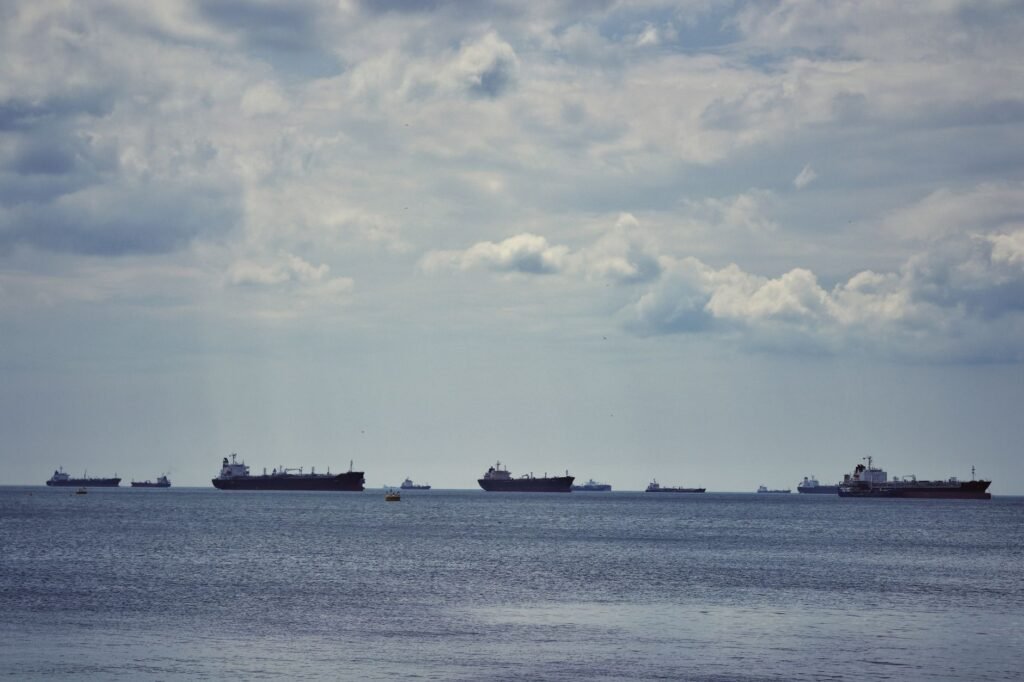
Negotiations aimed at reopening the Strait of Hormuz have reportedly made significant headway, with officials suggesting a potential agreement could be finalized soon. Qatar has indicated that a draft of the proposed deal is currently being circulated among the involved parties, signaling a critical phase in the diplomatic efforts.
The United States Treasury Secretary has also expressed optimism, hinting that an accord may be on the horizon. This development follows a period of heightened tensions and strategic importance surrounding the vital waterway, which is a critical chokepoint for global oil shipments. Information reaching Tahir Rihat suggests that the ongoing discussions are focused on de-escalating maritime security concerns and ensuring the unimpeded flow of commercial traffic through the Persian Gulf.
While specific details of the draft language have not been publicly disclosed, the progress reported by Qatar and the U.S. Treasury Secretary points towards a potential breakthrough in resolving the complex issues that have led to the current situation. The Strait of Hormuz, situated between Iran and Oman, is one of the world’s most important oil transit points, with a significant portion of global oil supply passing through its narrow waters daily. Any disruption or closure of this strait can have profound implications for global energy markets and international trade.
The diplomatic engagement, which has been ongoing for some time, involves multiple regional and international actors seeking to ensure stability and predictability in one of the world’s most strategically sensitive maritime regions. The United States has consistently advocated for freedom of navigation and the unimpeded flow of commerce, while Iran has asserted its rights and interests in the waterway. The current negotiations appear to be an effort to find common ground and establish a framework that satisfies the security concerns of all parties involved, thereby preventing further escalation and ensuring the continued operation of this crucial global artery.
The involvement of Qatar as a mediator underscores the delicate nature of the negotiations and the trust placed in the Gulf nation to facilitate constructive dialogue. Doha has a history of playing a mediating role in regional disputes, leveraging its diplomatic channels to foster understanding and de-escalation. The progress reported by Qatari officials suggests that these efforts are bearing fruit, moving the process from preliminary discussions to the concrete stages of drafting an agreement.
The U.S. Treasury Secretary’s remarks add further weight to the possibility of an imminent resolution. The Treasury Department often plays a key role in international economic and financial diplomacy, and its involvement in these talks indicates the significant economic implications at stake. The prospect of an agreement could lead to a stabilization of energy prices and a reduction in geopolitical risk premiums that have been impacting global markets.
The specifics of what the deal might entail remain a subject of speculation, but sources close to the negotiations indicate that it likely involves reciprocal commitments to de-escalation, enhanced maritime safety measures, and potentially mechanisms for dispute resolution. The reopening of the Strait of Hormuz would be a significant development, easing concerns that have been mounting over the past several months due to increased maritime incidents and heightened rhetoric in the region. The international community will be closely watching the finalization of this agreement, as it holds the potential to significantly alter the geopolitical landscape of the Middle East and impact global economic stability.
The ongoing diplomatic push to secure the Strait of Hormuz is a testament to the concerted efforts being made to avert a wider conflict and ensure the continued functioning of global trade. The success of these talks could pave the way for broader regional security dialogues, addressing underlying issues that contribute to instability in the Persian Gulf. The world awaits the formal announcement of any agreement, which could mark a turning point in the current geopolitical climate surrounding this vital maritime passage.


Tahir Rihat (also known as Tahir Bilal) is an independent journalist, activist, and digital media professional from the Chenab Valley of Jammu and Kashmir, India. He is best known for his work as the Online Editor at The Chenab Times.