


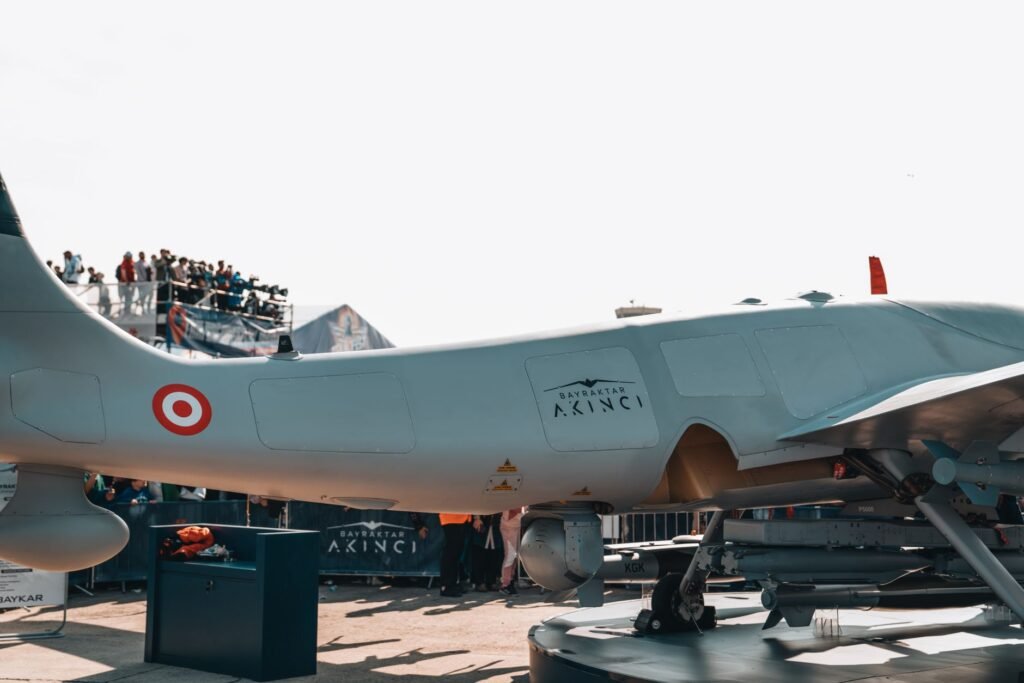
A significant Russian drone assault near Ukraine’s capital has resulted in at least 37 fatalities, highlighting persistent vulnerabilities in the nation’s air defense capabilities. The strike, which targeted a warehouse facility on the outskirts of Kyiv, occurred after several days of intensified aerial attacks that have severely tested Ukraine’s defensive systems and instilled widespread fear among the civilian population.
The scale of the casualties underscores the ongoing challenges Ukraine faces in intercepting the sustained barrages of drones and missiles launched by Russia. Information reaching Tahir Rihat suggests that the specific nature of the warehouse, potentially storing critical supplies or equipment, may have made it a high-value target. The effectiveness of air defense systems in densely populated areas and against coordinated drone swarms remains a critical concern for Ukrainian military planners and international partners alike.
The relentless nature of these attacks, as reported by The New York Times, indicates a strategic effort by Russia to degrade Ukraine’s infrastructure and morale. The repeated strikes have strained resources, forcing Ukrainian forces to make difficult decisions about where to deploy limited air defense assets. The vulnerability exposed by this latest incident could have significant implications for future military operations and civilian safety in and around Kyiv.
The attacks have not only led to a tragic loss of life but have also exacerbated the psychological toll on civilians who have endured nearly two years of full-scale conflict. The constant threat of aerial bombardment forces many to live in a state of heightened anxiety, impacting daily life and economic activity. The targeting of infrastructure, even if seemingly secondary, has a cascading effect on essential services and the overall resilience of the nation.
Military analysts have long pointed to the critical need for advanced air defense systems to counter the evolving tactics employed by Russia. While Ukraine has received substantial military aid, including sophisticated air defense platforms, the sheer volume and variety of Russian aerial threats continue to pose a formidable challenge. The ability to sustain defensive operations against a determined adversary with significant aerial capabilities is a complex logistical and strategic undertaking.
The incident near Kyiv serves as a stark reminder of the ongoing nature of the conflict and the human cost associated with it. The international community continues to monitor the situation closely, with ongoing discussions about providing further support to bolster Ukraine’s defenses. The effectiveness of these defensive measures will be crucial in mitigating future casualties and protecting vital infrastructure.
The specific details regarding the types of drones used and the precise methods employed by the Russian forces to overcome Ukrainian air defenses are still being assessed. However, the outcome of this particular strike points to a potential gap in detection or interception capabilities that warrants further investigation by military experts. The ability of Russia to consistently penetrate air defenses, even in areas considered relatively secure, raises concerns about the long-term sustainability of Ukraine’s defensive posture.
The humanitarian impact of such attacks is profound. Beyond the immediate casualties, there are the injured, the displaced, and the psychological trauma that affects entire communities. Rebuilding efforts and providing support to those affected by the conflict remain a significant challenge, further compounded by the ongoing hostilities. The international response often focuses on military aid, but the long-term recovery and humanitarian assistance are equally critical components of addressing the crisis.
The strategic implications of these drone attacks extend beyond the immediate battlefield. They are part of a broader campaign aimed at influencing the course of the conflict and potentially shaping future geopolitical dynamics. The resilience of Ukraine’s air defenses is not just a military matter but also a symbol of its determination to resist aggression and maintain its sovereignty. The international community’s commitment to supporting Ukraine’s defense efforts will be tested by the ongoing challenges posed by Russia’s aerial offensive.
The effectiveness of air defense systems is often dependent on a complex interplay of technology, intelligence, and operational coordination. The ability to track, identify, and intercept a wide range of aerial threats in real-time requires sophisticated systems and highly trained personnel. The continuous adaptation of tactics by both sides in the conflict means that air defense strategies must also evolve to remain effective. The recent events near Kyiv highlight the dynamic nature of this ongoing struggle.
The economic consequences of such attacks are also significant. Damage to infrastructure, disruption of supply chains, and the diversion of resources to defense efforts all contribute to economic strain. For Ukraine, already facing immense economic challenges due to the war, these additional burdens are substantial. The international financial support provided to Ukraine plays a crucial role in mitigating these economic impacts and enabling the country to continue its resistance.
The ongoing nature of the conflict means that the situation remains fluid, with new developments occurring regularly. The ability of Ukraine to adapt and overcome the challenges posed by Russian aerial attacks will be a key factor in determining the future trajectory of the war. The international community’s sustained support and the effectiveness of Ukraine’s own defensive strategies will be paramount in navigating these critical times.


Tahir Rihat (also known as Tahir Bilal) is an independent journalist, activist, and digital media professional from the Chenab Valley of Jammu and Kashmir, India. He is best known for his work as the Online Editor at The Chenab Times.