


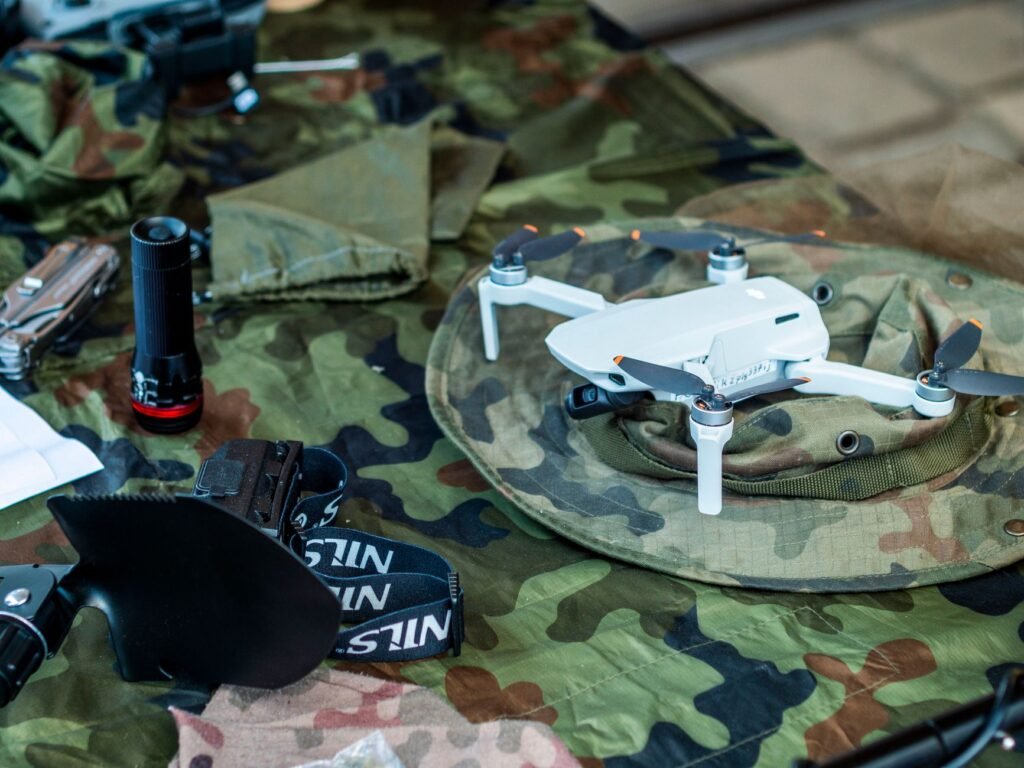
Ukrainian officials have stated that some of the artificial intelligence-powered drones being utilized by Russia in its ongoing conflict are equipped with microcomputers manufactured by the prominent technology company Nvidia. These sophisticated components are reportedly integrated into autonomous systems that enhance the drones’ capabilities on the battlefield.
Information reaching Tahir Rihat suggests that while Nvidia officially asserts it does not directly sell its devices to Russia, the chips are readily available through secondary markets. This widespread availability on resale platforms makes it exceedingly difficult for the tech giant, or any other entity, to track the ultimate destination of these high-value components once they enter the global supply chain. The implication is that Russia may be acquiring these advanced microcomputers through unofficial channels, bypassing direct sales restrictions and sanctions that aim to limit its access to critical technologies.
The use of advanced AI-driven drones represents a significant escalation in military technology, allowing for greater autonomy in targeting and operational execution. These systems can potentially reduce the need for constant human control, enabling drones to identify, track, and engage targets with increased speed and precision. The integration of Nvidia’s microcomputers, known for their powerful processing capabilities, would significantly bolster the performance of such autonomous systems. According to Ukrainian officials, the presence of these chips in Russian drones indicates a sophisticated effort by Moscow to leverage cutting-edge commercial technology for military purposes, despite international efforts to curtail such access.
Nvidia, a global leader in graphics processing units (GPUs) and artificial intelligence hardware, has previously stated its commitment to complying with export control regulations. The company maintains that it does not sell its products directly to Russia. However, the nature of the global electronics market, particularly for components that are widely produced and traded, presents a complex challenge in preventing their diversion to sanctioned entities. Resale markets, often operating with less transparency, can become conduits for such diversions. Once these components are purchased through these unofficial channels, they are virtually impossible to trace back to their original manufacturer or to verify their end-user, according to sources familiar with the matter.
The revelation by Ukrainian officials underscores the persistent challenge of enforcing technology export bans in a globalized economy. Even with stringent controls on direct sales, the open nature of the secondary market can allow restricted technologies to find their way into the hands of those seeking to circumvent sanctions. This situation highlights the ongoing technological arms race, where both sides are continuously seeking to gain an advantage through the acquisition and deployment of advanced military hardware. The specific types of Nvidia microcomputers allegedly found in the Russian drones have not been detailed, but the company’s products are widely used in AI development, high-performance computing, and autonomous systems, making them highly desirable for advanced military applications.
The effectiveness and scale of Russia’s use of these Nvidia-powered drones remain subjects of ongoing assessment by military analysts and intelligence agencies. However, the claim by Ukrainian officials suggests a strategic effort to enhance their drone warfare capabilities. This development could have significant implications for the future of drone technology in conflict zones, as it demonstrates the potential for commercial off-the-shelf (COTS) components, when integrated into sophisticated military systems, to play a crucial role in modern warfare. The ability of Russia to procure such components through indirect means raises questions about the efficacy of current international export control mechanisms and the need for more robust oversight of global technology supply chains.
The broader context of the conflict involves a continuous push and pull of technological innovation and countermeasures. Ukraine has also been a recipient of advanced Western military technology, including drones and AI systems, highlighting the critical role of technology in contemporary conflicts. The reported use of Nvidia chips by Russia, however, points to a potential circumvention of sanctions and a demonstration of adaptive procurement strategies by Moscow. The availability of these chips on resale markets is a testament to the vast global network of electronics distribution, which can be exploited by various actors for different purposes. The challenge for governments and technology companies alike is to find ways to maintain the integrity of export controls while acknowledging the realities of global trade and the sophisticated methods employed to bypass restrictions.
Further investigation into the specific models of Nvidia microcomputers allegedly used, the methods of procurement through resale markets, and the extent of their integration into Russian drone systems will be crucial in understanding the full scope of this development. The implications extend beyond the immediate conflict, potentially influencing future discussions on technology governance, export controls, and the dual-use nature of advanced computing components. The reliance on commercially available, high-performance computing hardware for military applications is a growing trend, and the ability to acquire these components through unofficial channels presents a significant challenge for international security efforts.


Tahir Rihat (also known as Tahir Bilal) is an independent journalist, activist, and digital media professional from the Chenab Valley of Jammu and Kashmir, India. He is best known for his work as the Online Editor at The Chenab Times.