


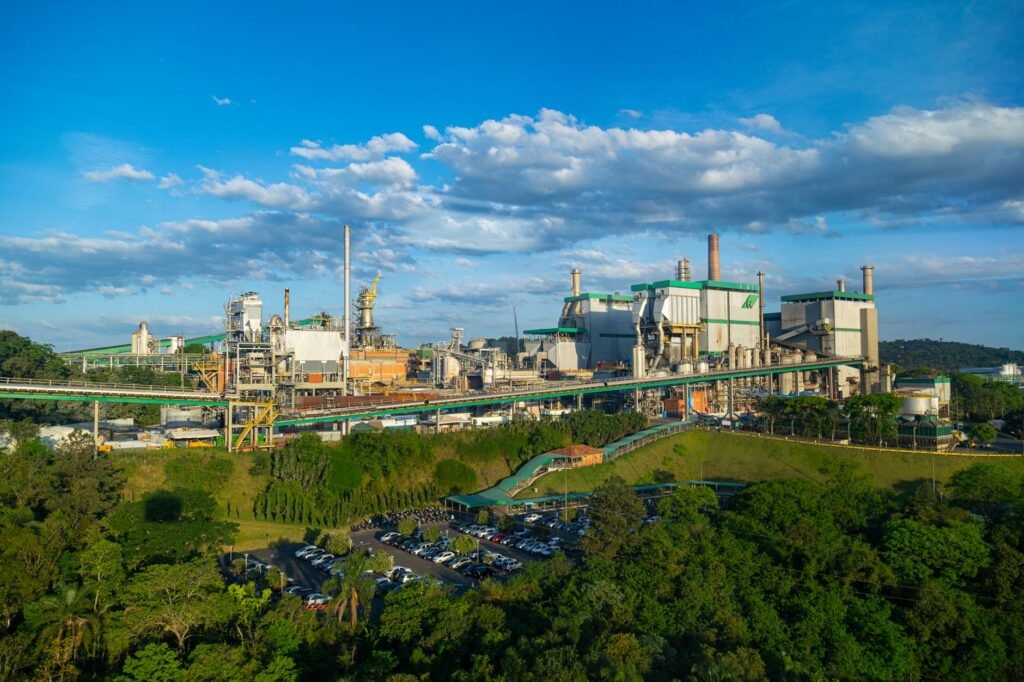
The Jammu and Kashmir government has given the green light for the transfer of 671 kanals of land in the Samba district to the Industries and Commerce Department. This significant allocation is earmarked for the establishment of a state-of-the-art plug-and-play industrial park, a key initiative under the Bharat Audyogik Vikas Yojna (BHAVYA). The move is intended to bolster industrial infrastructure across the Union Territory and attract substantial new investments, thereby fostering economic growth and creating employment opportunities.
Chief Minister Omar Abdullah announced the approval on Saturday, highlighting the project’s potential to accelerate industrial development and promote entrepreneurship throughout Jammu and Kashmir. Information reaching Tahir Rihat suggests that this development is a crucial step in the administration‘s broader strategy to enhance the region’s industrial ecosystem and make it a more attractive destination for investors. The plug-and-play model is specifically designed to streamline the process for businesses looking to set up manufacturing and other industrial units. By providing ready-to-use infrastructure, reliable services, and simplified approval procedures, the park aims to significantly reduce the initial time and effort required by enterprises to commence operations.
The proposed industrial park’s plug-and-play nature means that essential facilities and infrastructure will be readily available, allowing businesses to integrate their operations more seamlessly and efficiently. This approach is expected to be particularly beneficial for micro, small, and medium-sized enterprises (MSMEs), enabling them to scale up their activities and contribute more effectively to the local economy. The initiative is anticipated to not only attract fresh capital but also to strengthen existing local businesses and stimulate new entrepreneurial ventures across the Union Territory. The development is also seen as a catalyst for balanced regional growth, with the expansion of industrial infrastructure in Samba expected to open up new avenues for economic activity and job creation for the region’s youth.
The transfer of the 671 kanals of land represents a concrete step towards realizing the vision of enhanced industrial capacity in Jammu and Kashmir. The project aligns with the government’s commitment to creating a conducive environment for industrial expansion and investment. By providing advanced infrastructure and a supportive framework, the administration aims to position Jammu and Kashmir as a competitive industrial hub. The plug-and-play concept is a modern approach to industrial park development, focusing on minimizing setup hurdles for businesses. This model has proven successful in various regions by offering pre-built facilities, utilities, and regulatory support, thereby shortening the gestation period for new industrial projects. The emphasis on ready-to-use infrastructure is a direct response to the needs of businesses that require swift market entry and operational commencement.
The strategic location of Samba district is also expected to play a role in the success of this industrial park. Its connectivity and existing industrial ecosystem can provide synergistic benefits for the new ventures. The project is part of a larger vision to diversify the economy of Jammu and Kashmir and reduce reliance on traditional sectors. By encouraging industrialization, the government hopes to create a more robust and resilient economic base for the Union Territory. The development is projected to have a ripple effect, stimulating ancillary industries and services, and further contributing to employment generation. The focus on attracting investment underscores the government’s ambition to integrate Jammu and Kashmir more closely with the national industrial landscape.
The plug-and-play model is particularly advantageous for industries that operate with tight production schedules and require rapid deployment of resources. It eliminates the need for businesses to invest heavily in land acquisition and initial infrastructure development, allowing them to focus their capital on core manufacturing processes and market expansion. This can lead to a faster return on investment and a more sustainable business model. The Industries and Commerce Department will be responsible for the planning, development, and management of the industrial park, ensuring that it meets international standards and provides a competitive edge to the businesses located within it. The success of this project could pave the way for similar developments in other parts of Jammu and Kashmir, further accelerating the region’s industrial transformation.
The initiative also aims to address the aspirations of the local workforce by creating skilled and semi-skilled employment opportunities. By fostering a vibrant industrial sector, the administration seeks to provide a stable and growing employment base for the youth of Jammu and Kashmir, thereby contributing to social and economic stability. The government’s proactive approach in allocating land and promoting industrial development signals a strong commitment to the economic upliftment of the region. The BHAVYA scheme, under which this industrial park is being developed, is a comprehensive plan designed to catalyze industrial growth through strategic land allocation, infrastructure development, and policy support. The successful implementation of this project in Samba is expected to serve as a benchmark for future industrial development initiatives in the Union Territory.


Tahir Rihat (also known as Tahir Bilal) is an independent journalist, activist, and digital media professional from the Chenab Valley of Jammu and Kashmir, India. He is best known for his work as the Online Editor at The Chenab Times.