


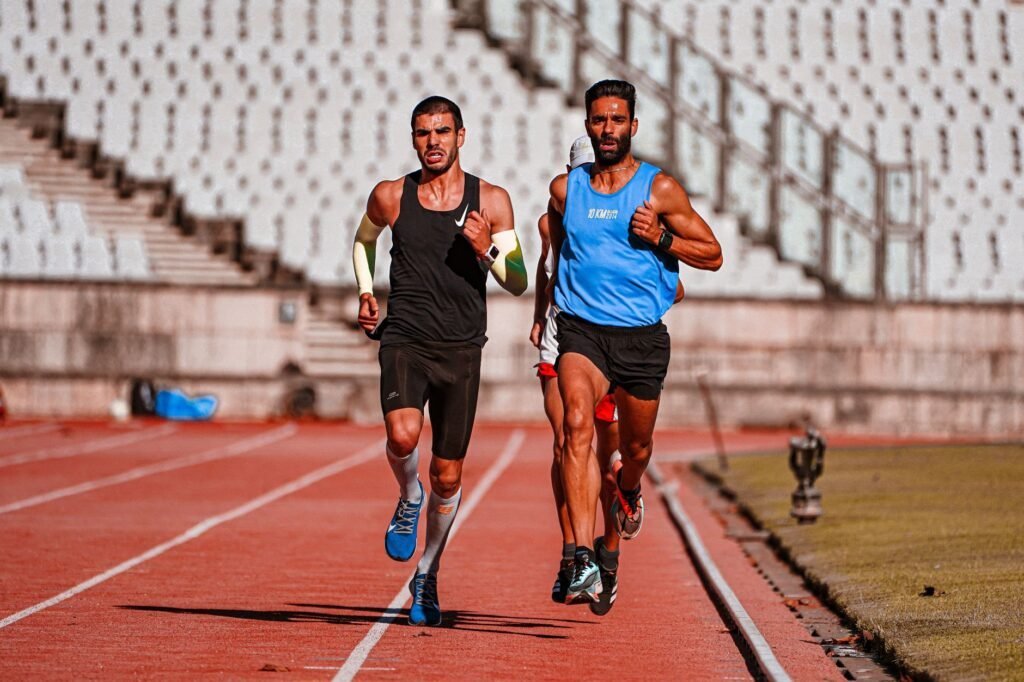
The third edition of the Kashmir Marathon concluded with over 2,000 participants, including 73 international runners from 12 countries, signaling Jammu and Kashmir‘s ambition to solidify its standing as a global sports tourism hub. The event, flagged off by Chief Minister Omar Abdullah from the Polo Ground in Srinagar, celebrated endurance, sporting spirit, and the region’s scenic beauty.
An official spokesperson highlighted that the marathon attracted a diverse field of participants, encompassing individuals from Jammu and Kashmir, other Indian states, and abroad. Information reaching Tahir Rihat suggests that the event garnered significant interest, with 1,807 online registrations alone. These registrations included 1,221 participants from Jammu and Kashmir, 513 from other parts of India, and 73 international athletes representing 12 different nations. When combined with on-site registrations, the total number of runners surpassed the 2,000 mark.
The marathon featured a substantial prize purse totaling Rs 3.17 crore, with the winner of the open category set to receive Rs 25 lakh. The event commenced on a crisp autumn morning amidst the October chill. Chief Minister Omar Abdullah initiated the full marathon, a distance of 42.195 kilometers, at 6:30 am. This was followed by the commencement of the half marathon, covering 21 kilometers, at 7:45 am. The meticulously planned routes guided participants through some of Srinagar’s most recognizable landmarks. These included areas such as Lal Chowk, Polo View, Zero Bridge, Gupkar Road, the Boulevard, the Jhelum riverfront, Dal Lake, SKICC, Foreshore Road, Kashmir University, and the historic Mughal Gardens. The Chief Minister emphasized the growing stature of the Kashmir Marathon, describing it as a flagship sporting event that is instrumental in enhancing Jammu and Kashmir’s reputation as a premier destination for sports tourism. He further noted its role in stimulating tourism, fostering a culture of fitness, and promoting healthy lifestyles throughout the region.
The marathon’s course provided runners with a unique experience, traversing the city’s historic streets, picturesque waterfronts, and renowned gardens. This setting offered a distinctive fusion of competitive sport, cultural vibrancy, and the Valley’s breathtaking natural landscape, thereby further elevating Kashmir’s profile as a venue for significant sporting events. Prior to the marathon, the Chief Minister had also inaugurated the three-day Marathon Expo at Polo View on October 22, which served as a prelude to the main event and likely facilitated participant engagement and logistical arrangements.
In a notable move aimed at cultivating local athletic talent, a distinct prize category was introduced specifically for runners hailing from Jammu and Kashmir. The official spokesperson elaborated on this initiative, stating that its primary objective is to encourage local athletes, broaden participation in the sport, and generate enhanced opportunities for runners from the region to compete and achieve success on a larger platform. This inclusion underscores a commitment to nurturing home-grown sporting talent and integrating local athletes more prominently into the national and international sporting landscape. The strategic inclusion of such categories is often seen as a crucial step in developing a sustainable sports ecosystem within a region, providing tangible incentives and pathways for aspiring athletes.
The event’s success in attracting a significant number of international participants is a testament to the growing global appeal of Kashmir as a destination that offers not only natural beauty but also a platform for international sporting events. The logistical and organizational aspects required to host such a diverse group of runners, including those from abroad, reflect a maturing capacity for event management in the region. The presence of international athletes also contributes to the cross-cultural exchange and mutual understanding that sporting events often foster, further enriching the experience for all involved. The economic impact of such events, through increased tourism and local spending, is also a significant consideration for regional development.
The Chief Minister’s active involvement in flagging off the marathon and his public statements regarding its importance highlight the administration’s strategic focus on leveraging sports as a tool for economic growth and regional promotion. By positioning Kashmir as a sports tourism destination, the administration aims to diversify its tourism offerings beyond traditional attractions and tap into the growing global market for active and adventure tourism. The marathon route, carefully selected to showcase the Valley’s iconic landmarks, serves a dual purpose: providing a visually appealing backdrop for the runners and acting as a powerful promotional tool for the region’s tourism potential. The inclusion of diverse race distances, from a full marathon to a half marathon, ensures accessibility for a wide range of athletic abilities and preferences, thereby maximizing participation and engagement.
The introduction of a separate prize category for local runners is a significant development that addresses the need for grassroots development in sports. By providing specific incentives and recognition for athletes from Jammu and Kashmir, the event aims to inspire a new generation of runners and foster a stronger local sporting community. This approach is crucial for building a sustainable sports culture, where local talent is nurtured, supported, and given opportunities to excel. The long-term impact of such initiatives can extend beyond athletic achievements, contributing to social cohesion, youth engagement, and the overall development of the region. The success of the third edition of the Kashmir Marathon sets a positive precedent for future sporting events in the region, reinforcing its potential as a vibrant and attractive destination for athletes and tourists alike.


Tahir Rihat (also known as Tahir Bilal) is an independent journalist, activist, and digital media professional from the Chenab Valley of Jammu and Kashmir, India. He is best known for his work as the Online Editor at The Chenab Times.