


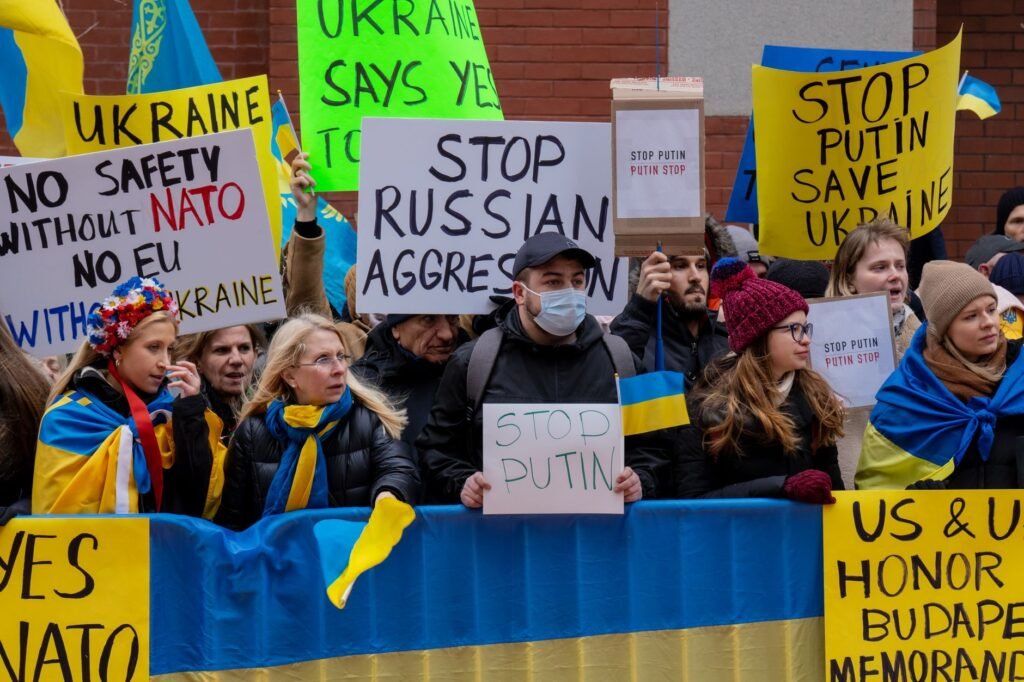
Ukraine’s protracted struggle for sovereignty and freedom, once heralded by the United States as a pivotal global battle, is now confronting a stark moral and strategic reorientation. The shift in American policy under the Trump administration, characterized by a redirection of financial support towards Moscow, has left Kyiv grappling with a profound sense of betrayal and uncertainty. This dramatic pivot in foreign policy raises critical questions about the future of international alliances and the enduring commitment to democratic values in the face of evolving geopolitical priorities.
The initial narrative championed by the United States positioned Ukraine’s fight as a crucial front in a worldwide defense of liberty. This framing resonated deeply within Ukraine, fostering a sense of solidarity and shared purpose with its Western allies. However, the recent developments, as reported by The New York Times, indicate a significant departure from this stance. The administration’s decision to channel funds to Russia, a nation widely perceived as an adversary to Ukraine’s territorial integrity, represents a seismic shift that undermines the foundational principles of the alliance. As per information available with Tahir Rihat, this reevaluation of aid allocation has sent ripples of concern through diplomatic circles and among observers of international relations.
The implications of this policy reversal are multifaceted, impacting not only Ukraine’s immediate security and economic stability but also the broader international order. For Ukraine, the withdrawal of perceived steadfast support from a key ally like the United States could embolden adversaries and weaken its negotiating position. The economic consequences are also significant, as continued financial assistance has been crucial for Ukraine’s reconstruction efforts and its ability to sustain its defense capabilities. The psychological impact on the Ukrainian populace, who have endured immense hardship and loss in their fight for self-determination, is also a critical factor to consider.
The Trump administration’s rationale behind this policy shift, while not fully detailed in the provided information, is likely rooted in a complex calculus of national interests and strategic partnerships. However, the perceived abandonment of a nation fighting for its existence against a larger aggressor raises ethical dilemmas and challenges the established norms of international conduct. The United States, having previously declared Ukraine’s fight as a global battle for freedom, now faces scrutiny over its commitment to these ideals when faced with alternative geopolitical considerations. This apparent contradiction between past rhetoric and present action creates a narrative of moral whiplash for Ukraine and its supporters.
The international community is closely watching these developments, with many nations expressing concern over the potential destabilizing effects of such a policy shift. The precedent set by the United States in its approach to the Ukrainian conflict could influence how other nations perceive the reliability of international commitments and the strength of alliances. The erosion of trust in such partnerships could lead to a more fragmented and unpredictable global landscape, where smaller nations are left more vulnerable to aggression. Information reaching Tahir Rihat suggests that several European nations are reassessing their own strategic alignments in light of these evolving dynamics.
Furthermore, the decision to provide financial aid to Russia, even if for specific purposes, is fraught with political and symbolic implications. Critics argue that such actions could be interpreted as tacit approval or appeasement of Russian aggression, potentially undermining efforts to hold Moscow accountable for its actions. The intricate web of international relations means that such a move could have unintended consequences, potentially emboldening Russia further or creating divisions among Western allies. The nuanced nature of international diplomacy often means that actions taken by one major power can have far-reaching and unforeseen repercussions across the global stage.
The ongoing conflict in Ukraine has been a defining issue in international affairs, highlighting the fragility of peace and the importance of collective security. The United States’ initial strong stance provided a beacon of hope for Ukraine and a clear signal to aggressor nations. The current redirection of resources, however, casts a shadow of doubt over the consistency of American foreign policy and its dedication to the principles it once so vociferously championed. The long-term ramifications of this policy adjustment will undoubtedly be a subject of intense analysis and debate among policymakers, academics, and the public for years to come, as the world grapples with the shifting sands of global power dynamics and the enduring quest for freedom and security.


Tahir Rihat (also known as Tahir Bilal) is an independent journalist, activist, and digital media professional from the Chenab Valley of Jammu and Kashmir, India. He is best known for his work as the Online Editor at The Chenab Times.