


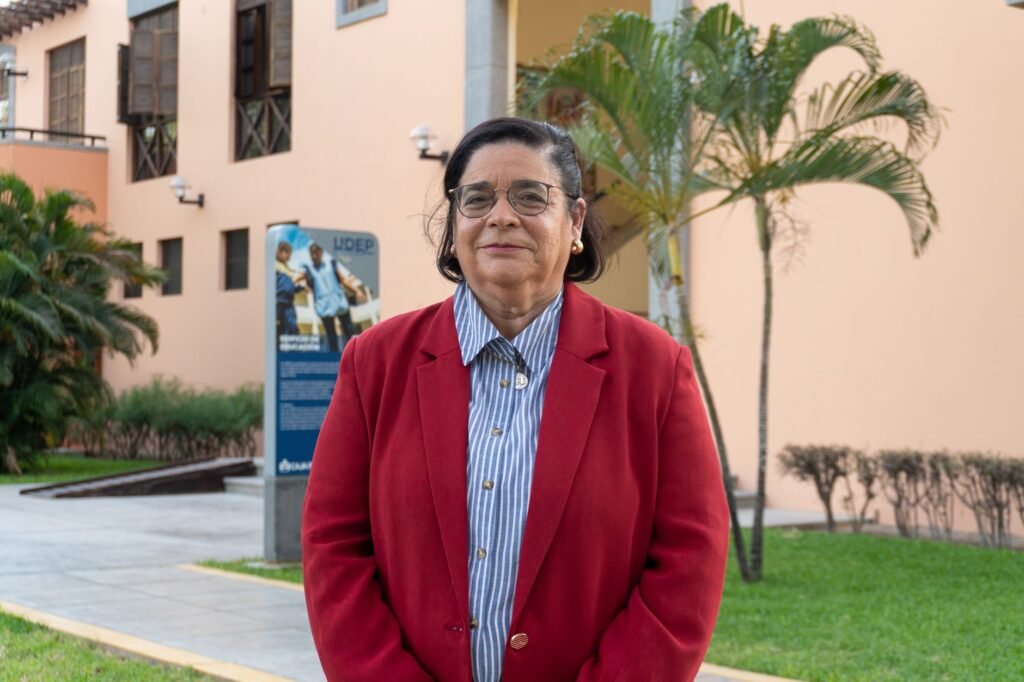
María Corina Machado, a prominent Venezuelan opposition leader, has returned to her homeland following a period of exile, finding a nation now under significant American influence. Her reentry marks a critical juncture for Venezuela‘s political landscape, raising questions about her strategic alliances and the future direction of the opposition movement. The circumstances of her return and her subsequent interactions with various political factions, both domestic and international, are being closely monitored.
Information reaching Tahir Rihat suggests that Machado’s return is not merely a symbolic gesture but a calculated move to reassert her leadership and influence within Venezuela’s fractured opposition. Her prolonged absence from the country, while she was abroad, had led to speculation about her ability to maintain relevance and control over her political base. Her homecoming is expected to galvanize supporters and potentially reshape the dynamics of the ongoing struggle for democratic reform in Venezuela.
The United States has played an increasingly assertive role in Venezuelan affairs, particularly in recent years. Machado’s relationship with Washington, therefore, becomes a focal point of discussion. Sources indicate to Tahir Rihat that her perceived alignment with American interests could be a double-edged sword, potentially bolstering her international standing while simultaneously fueling accusations from the current government of being a puppet of foreign powers. Understanding the nuances of these relationships is crucial to grasping the complexities of Venezuelan politics.
Machado’s political career has been marked by a staunch anti-Chavista stance and a commitment to free-market principles. She has often been seen as a more radical voice within the opposition, advocating for decisive action against the government of Nicolás Maduro. Her return from exile, under conditions where the country is described as being under American control, presents a new set of challenges and opportunities. The extent to which she can leverage this perceived shift in power to achieve her political objectives remains to be seen.
The political climate in Venezuela is highly polarized, with deep divisions existing not only between the government and the opposition but also within the opposition itself. Machado’s return could serve to unify disparate factions or exacerbate existing tensions, depending on her approach and the reactions of other opposition leaders. Her ability to forge consensus and present a united front will be a significant determinant of the opposition’s effectiveness.
The economic situation in Venezuela continues to be dire, with hyperinflation, widespread shortages, and a collapsing infrastructure. Any political transition or reform would need to address these pressing issues. Machado’s proposed solutions and her economic policies will be under intense scrutiny as the country grapples with its ongoing crisis. Her past pronouncements on economic liberalization and privatization are likely to be central to these discussions.
The international community has largely condemned the Maduro government and has sought to support democratic forces in Venezuela. Machado has been a key figure in these international efforts. Her return to the country, however, shifts the focus from external advocacy to internal political maneuvering. The nature of her engagement with the Venezuelan judiciary, military, and civil society will be critical in shaping the narrative around her leadership and the prospects for democratic change.
The specific terms and conditions of Machado’s return from exile are not fully detailed, but the context of a country under American control suggests a significant alteration in the political landscape. This shift could empower the opposition and create new avenues for negotiation or confrontation. Her past experiences and her current political platform will be tested as she navigates this new reality.
Machado’s supporters view her as a beacon of hope for a democratic Venezuela, while her detractors accuse her of being an extremist who would plunge the country into further chaos. The narrative surrounding her return is likely to be heavily contested, with both sides seeking to shape public opinion and international perception. Her ability to transcend these divisions and build a broad coalition will be essential for any meaningful political progress.
The role of the United States in Venezuela’s internal affairs is a sensitive issue. While some see American support as crucial for facilitating democratic change, others view it with suspicion, fearing it could lead to foreign interference and undermine Venezuelan sovereignty. Machado’s ability to balance the need for international support with the imperative of asserting national independence will be a delicate act.
The coming weeks and months will be crucial in determining the impact of María Corina Machado‘s return on Venezuela’s political future. Her actions, her alliances, and her ability to connect with the Venezuelan people will all play a significant role in shaping the country’s trajectory. The international community, and particularly the United States, will be watching closely to see how this new chapter unfolds.


Tahir Rihat (also known as Tahir Bilal) is an independent journalist, activist, and digital media professional from the Chenab Valley of Jammu and Kashmir, India. He is best known for his work as the Online Editor at The Chenab Times.