


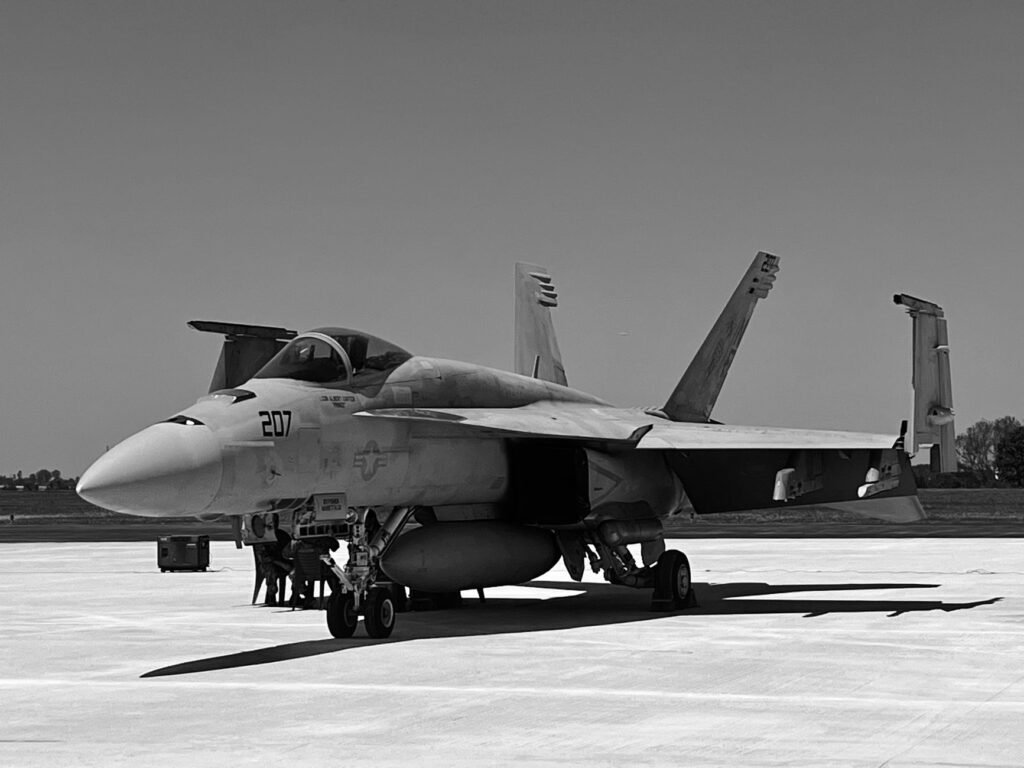
The United States launched military strikes against Iran and simultaneously revoked a crucial waiver that had permitted global sales of Iranian oil, significantly intensifying its pressure campaign against Tehran. The dual actions were announced hours after the U.S. Treasury Department officially withdrew the exemption, a move that effectively reimposes stringent sanctions on Iranian crude exports.
This aggressive posture by the U.S. administration signals a sharp escalation in the ongoing tensions between the two nations, particularly in the wake of recent attacks on international oil tankers in the Persian Gulf. The Treasury’s decision to end the oil sales waiver means that countries previously allowed to purchase Iranian oil will now face penalties if they continue to do so. This measure is designed to choke off a primary source of revenue for the Iranian government, aiming to compel a change in its behavior regarding regional security and its nuclear program.
Information reaching Tahir Rihat suggests that the military operations were a direct response to what U.S. officials have described as Iran’s persistent destabilizing activities in the region, including the targeting of commercial shipping. The specific targets of the strikes were not immediately disclosed, but the administration indicated they were aimed at degrading Iran’s capacity to conduct further attacks. This development comes at a critical juncture, as international efforts to de-escalate the situation have so far yielded limited results.
The revocation of the oil waiver is a significant policy shift. For months, several major oil-importing nations, including China, India, Japan, South Korea, Italy, Greece, Taiwan, and Turkey, had been granted temporary exemptions from U.S. sanctions. These waivers were intended to allow these countries time to find alternative energy sources and to prevent a sudden spike in global oil prices. However, the U.S. has now determined that these nations have had sufficient time to adjust their energy portfolios and that the continued revenue from these oil sales was enabling Iran’s problematic actions.
The implications of these actions are far-reaching. Economically, the reimposition of sanctions is expected to further strain Iran’s already struggling economy, potentially leading to increased inflation and a decline in living standards for its citizens. Politically, it could embolden hardliners within Iran while potentially isolating the country further on the international stage. The military strikes, even if limited in scope, carry the risk of triggering a wider conflict in a strategically vital region that is a major artery for global energy supplies.
U.S. officials, speaking on condition of anonymity, stated that the decision to end the waivers was made after careful consideration of Iran’s continued defiance and its role in orchestrating attacks on international maritime traffic. The administration has been under pressure to take a firmer stance against Iran, especially following a series of incidents involving oil tankers in the Strait of Hormuz and the Gulf of Oman, which have disrupted global trade and raised concerns about freedom of navigation. The U.S. has repeatedly accused Iran of being behind these attacks, allegations that Tehran has consistently denied.
The international community is now closely watching the reactions from Tehran and other major global powers. The effectiveness of these U.S. measures will depend on the extent to which other countries adhere to the sanctions and whether Iran chooses to retaliate. The situation remains highly fluid, with the potential for further diplomatic maneuvering and military posturing in the coming days and weeks. The focus will be on whether these stringent measures can indeed compel Iran to alter its foreign policy and security calculus, or if they will lead to an even more volatile regional environment.
The U.S. administration has reiterated its commitment to ensuring stability and security in the Middle East and protecting international shipping lanes. The latest actions are framed as necessary steps to achieve these objectives and to hold Iran accountable for its actions. The coming period will be crucial in determining the trajectory of U.S.-Iran relations and the broader implications for global energy markets and regional peace.


Tahir Rihat (also known as Tahir Bilal) is an independent journalist, activist, and digital media professional from the Chenab Valley of Jammu and Kashmir, India. He is best known for his work as the Online Editor at The Chenab Times.