


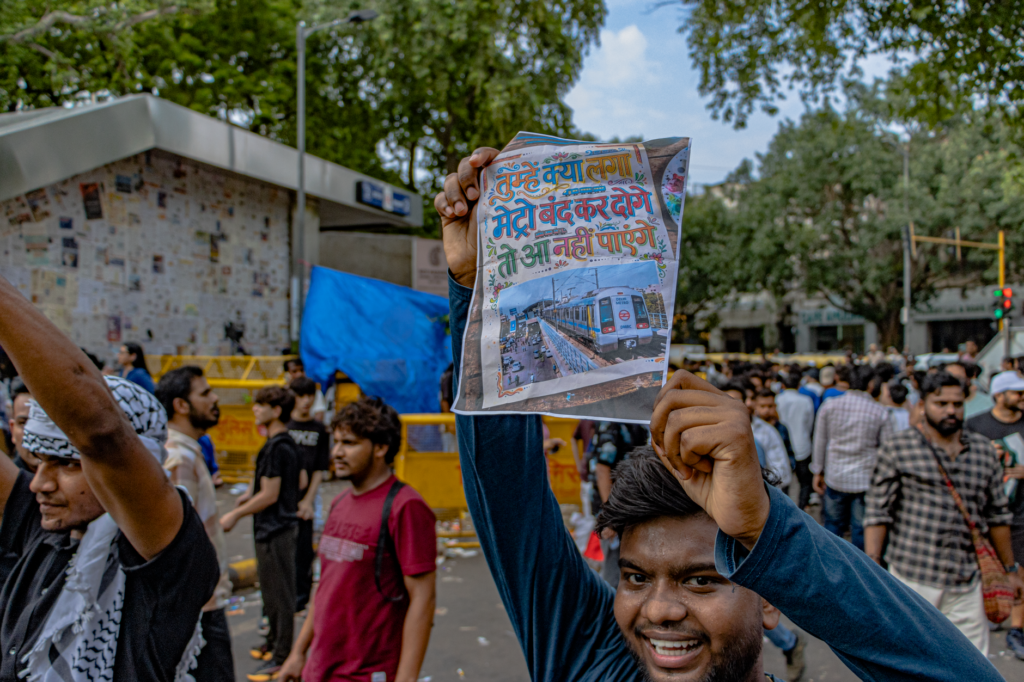
A significant protest movement, driven by India‘s youth, is currently testing the nation’s democratic framework. This development occurs at a time when democratic systems globally are facing considerable strain, raising questions about the resilience and future of democratic governance. The youth’s engagement in these protests signifies a critical juncture, highlighting their aspirations and their willingness to challenge established norms to achieve them.
Information reaching Tahir Rihat suggests that the current wave of youth-led demonstrations is multifaceted, encompassing a range of grievances. These include concerns over economic opportunities, social justice issues, and perceived infringements on civil liberties. The sheer scale and persistence of these protests underscore a deep-seated discontent among a generation that is increasingly vocal and organized. Their actions reflect a desire for greater participation in the democratic process and a demand for accountability from governing institutions.
The nature of these protests, often characterized by their decentralized organization and innovative use of digital platforms, presents a unique challenge to traditional modes of governance and protest management. Social media plays a crucial role in mobilizing participants, disseminating information, and shaping public discourse. This digital activism, while empowering for the youth, also introduces complexities in understanding the movement’s leadership, objectives, and potential outcomes. The ability of these young citizens to harness technology for collective action is a defining feature of contemporary protest movements worldwide, and India is no exception.
Analysts observe that the Indian government faces a delicate balancing act in responding to these demonstrations. On one hand, there is a need to address the legitimate concerns raised by the protesters to maintain social harmony and uphold democratic principles. On the other hand, authorities must also ensure public order and national security. The way these challenges are navigated will have significant implications not only for India’s internal political landscape but also for its standing as a global democratic power. The international community is closely watching how India, the world’s largest democracy, handles these internal pressures.
The protests are not monolithic; they represent a diverse array of voices and demands. While some movements are focused on specific policy issues, others reflect broader anxieties about the direction of the country. This heterogeneity makes it difficult for the government to offer a one-size-fits-all solution. Furthermore, the involvement of various social and political groups, alongside the independent activism of young individuals, adds layers of complexity to the dynamics of these movements. Understanding the nuances of each group’s motivations and goals is essential for a comprehensive analysis of the situation.
The global context of democratic backsliding and rising authoritarianism adds another dimension to the Indian scenario. As democracies worldwide grapple with internal divisions and external threats, the events unfolding in India are being viewed as a potential indicator of broader trends. The success or failure of India’s youth in asserting their democratic rights and influencing policy could serve as a precedent or a cautionary tale for similar movements in other nations. The commitment to democratic ideals is being tested, and the outcomes in India will be closely scrutinized.
The economic aspirations of India’s youth are a significant driving force behind their activism. With a large and young population, the country’s future prosperity is intrinsically linked to its ability to provide meaningful employment and economic opportunities. Disappointment with the pace of job creation and concerns about economic inequality are fueling frustration and a sense of urgency among young people. They are demanding policies that foster inclusive growth and create a more equitable distribution of wealth and resources. This economic dimension is inseparable from the broader calls for democratic reform and social justice.
Furthermore, the protests highlight a growing demand for greater transparency and accountability in governance. Young Indians are less tolerant of corruption and more insistent on ethical leadership. They are using their collective voice to call for stronger institutions that can effectively address societal problems and serve the interests of all citizens, not just a select few. The emphasis on these principles reflects a maturing of democratic consciousness and a desire for a more participatory and responsive political system.
The role of educational institutions and civil society organizations in fostering this engagement cannot be overstated. Universities and colleges often serve as hubs for intellectual discourse and activism, providing a platform for young people to articulate their views and organize. Civil society groups also play a vital role in amplifying these voices and advocating for change. The interplay between these various actors shapes the trajectory of the protest movements and their potential impact on Indian democracy.
The government’s response to these protests, whether through dialogue, policy reform, or enforcement measures, will be critical in determining the long-term implications. A failure to engage constructively could lead to further alienation and radicalization, while a responsive approach could strengthen democratic institutions and foster greater trust between the government and its citizens. The path forward requires careful consideration of the diverse demands and the underlying socio-economic factors at play.
The international dimension of this narrative is also noteworthy. India’s democratic credentials are often highlighted on the global stage, and the current challenges are being observed by international bodies and foreign governments. The way India navigates these internal democratic debates will influence its international reputation and its role in global affairs. The commitment to democratic values is a cornerstone of India’s soft power, and its ability to uphold these values in the face of internal dissent is crucial.
The protests represent a dynamic and evolving challenge to the status quo. The youth’s determination to be heard and their willingness to engage in collective action signal a profound desire for change. As India continues to navigate these complex issues, the outcomes of these youth-led movements will undoubtedly shape the future of its democratic journey and its place in the global democratic landscape. The ongoing developments are a testament to the vibrant, albeit sometimes contentious, nature of democratic expression in contemporary India.


Tahir Rihat (also known as Tahir Bilal) is an independent journalist, activist, and digital media professional from the Chenab Valley of Jammu and Kashmir, India. He is best known for his work as the Online Editor at The Chenab Times.