


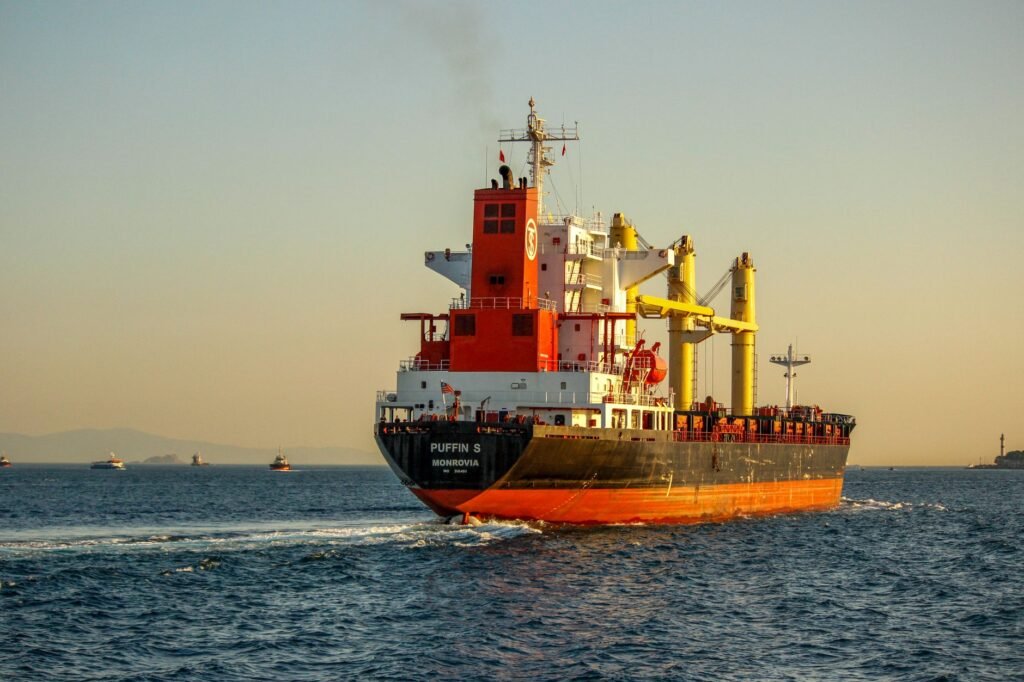
Iranian officials have indicated that a deal to reopen the Strait of Hormuz, a critical chokepoint for global oil and gas shipments, could be finalized within two days. This development comes as the nation simultaneously prepares for what it describes as an all-out war. The dual messaging suggests a complex geopolitical maneuver, with Tehran leveraging its strategic control over the vital waterway as a bargaining chip amidst escalating regional tensions.
Sources indicate to Tahir Rihat that the progress in negotiations is being framed as a potential outcome of discussions with the United States. While specifics of any such agreement remain undisclosed, the prospect of reopening the strait, which has been a focal point of international concern due to its strategic importance, marks a significant, albeit tentative, shift in the current climate. The Strait of Hormuz, a narrow passage between the Persian Gulf and the Gulf of Oman, handles approximately 20% of global oil consumption and a significant portion of global liquefied natural gas (LNG) trade. Any disruption or closure of this waterway has immediate and far-reaching implications for global energy markets and international commerce.
The Iranian government’s announcement of potential progress on the Strait of Hormuz comes at a time when the country is reportedly bolstering its military readiness. This juxtaposition of diplomatic overtures and military posturing underscores the precarious balance of power in the Middle East. The international community will be closely monitoring the unfolding situation, seeking clarity on the terms of any potential deal and the sincerity of Iran‘s intentions. The United States, in particular, has a vested interest in ensuring the unimpeded flow of oil through the strait and has previously imposed sanctions on nations trading with Iran, aiming to pressure Tehran’s economic and political standing.
The complexity of the situation is further highlighted by the fact that previous offers from Iran regarding the Strait of Hormuz have been conditional. For instance, earlier proposals linked the reopening of the strait to specific demands made of the U.S., indicating that any agreement would likely involve significant concessions or policy shifts from the American side. The current statements suggest a potential shift in the negotiation dynamics, though the exact nature of these shifts remains unclear. The implications of a reopened Strait of Hormuz would be substantial, potentially easing global energy supply concerns and reducing the risk of broader conflict in the region. However, the concurrent preparations for war cast a shadow of uncertainty over these prospects.
The Iranian government’s communication strategy appears to be a carefully calibrated effort to project an image of both willingness to negotiate and formidable military capability. This approach could be aimed at deterring potential adversaries while simultaneously seeking to achieve strategic objectives through diplomatic means. The international response to these developments will be critical in shaping the trajectory of the situation. Nations reliant on energy imports from the Persian Gulf region will be particularly keen to see a swift and stable resolution that ensures the continued operation of the Strait of Hormuz. The economic stability of numerous countries hinges on the uninterrupted transit of oil and gas through this vital maritime artery. Any prolonged uncertainty or escalation of conflict could trigger significant price volatility in global energy markets, impacting consumers and industries worldwide.
The geopolitical implications of Iran’s dual approach are multifaceted. On one hand, the offer to reopen the Strait of Hormuz could be seen as a de-escalatory measure, aimed at alleviating international pressure and potentially paving the way for broader diplomatic engagement. On the other hand, the simultaneous preparations for war suggest that Iran may be hedging its bets, unwilling to entirely abandon its military options. This strategy could be intended to strengthen its negotiating position by demonstrating its capacity to inflict significant disruption if its demands are not met. The intricate web of alliances and rivalries in the Middle East means that any significant development involving Iran, the Strait of Hormuz, and the United States has the potential to ripple across the region and beyond, influencing security dynamics and economic stability on a global scale. The coming days will be crucial in determining whether this represents a genuine step towards de-escalation or a strategic gambit within a larger, ongoing power struggle.


Tahir Rihat (also known as Tahir Bilal) is an independent journalist, activist, and digital media professional from the Chenab Valley of Jammu and Kashmir, India. He is best known for his work as the Online Editor at The Chenab Times.