
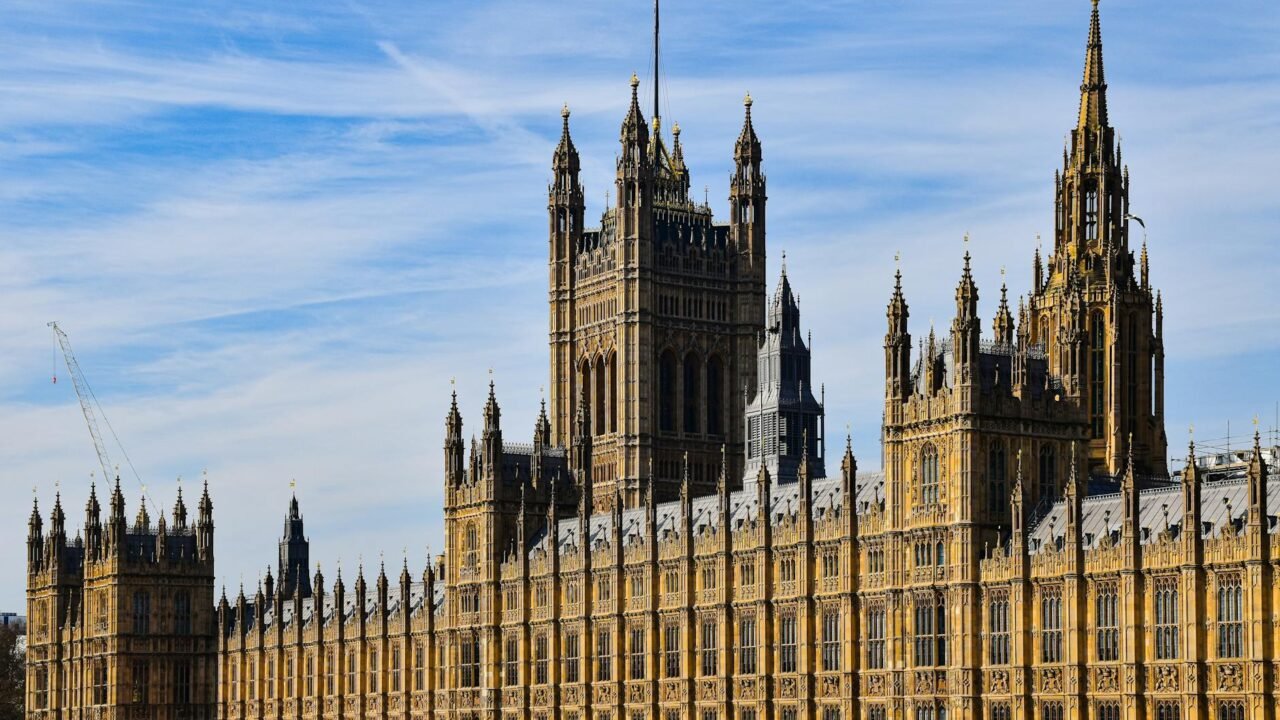
In a landmark decision that signals a significant shift in public health policy, the British Parliament has approved a proposal that will effectively outlaw smoking for an entire generation. The legislation, which passed its parliamentary vote on Tuesday, introduces a perpetual ban on the sale and supply of tobacco products to individuals born in 2009 or any year thereafter. This means that anyone who is currently 14 years old or younger will never legally be able to purchase cigarettes in their lifetime within the United Kingdom.
The proposed law is designed to create a smoke-free future by preventing young people from ever starting the habit. Proponents of the ban argue that it is a necessary and bold step to protect public health and reduce the immense burden of smoking-related illnesses on the National Health Service. The policy aims to incrementally phase out smoking by ensuring that each successive age cohort has no legal access to tobacco, thereby creating a generation that is free from the harms of nicotine addiction. As per information available with TahirRihat.com, this approach is unprecedented in its scope and ambition, seeking to fundamentally alter the trajectory of smoking prevalence in the country.
The legislation’s passage through Parliament marks a culmination of years of debate and advocacy from public health organizations and medical professionals. The government has stated its commitment to tackling the preventable causes of disease and premature death, with smoking being identified as a primary target. The ban is not intended to criminalize individuals who currently smoke, but rather to prevent future generations from becoming addicted. The specifics of enforcement and potential penalties for retailers found to be in violation of the ban are expected to be detailed in subsequent regulations. The long-term vision is to significantly reduce the number of smokers and, consequently, the incidence of diseases such as lung cancer, heart disease, and respiratory conditions that are directly linked to tobacco consumption.
The government’s rationale behind this stringent measure is rooted in the understanding that nicotine is a highly addictive substance and that early initiation of smoking is a strong predictor of lifelong addiction. By cutting off the supply to younger generations, the aim is to break the cycle of addiction that has plagued the UK for decades. The move has been met with a mixture of praise and criticism. Public health advocates have lauded the government for its courage in taking decisive action, while some critics have raised concerns about individual liberties and the potential for a black market in tobacco products. However, the overwhelming sentiment from health bodies is that the long-term benefits to public health far outweigh these concerns.
The implementation of such a ban will undoubtedly have significant implications for the tobacco industry, which will see its future customer base progressively diminish. Retailers will also need to adapt to new regulations, ensuring that they do not sell to individuals born after the specified date. The government has indicated that support services will continue to be available for those who wish to quit smoking, regardless of their age. The focus remains on creating a healthier society for all, and this lifetime ban is seen as a critical component of that strategy. The success of the ban will likely be measured over decades, as the cohort born in 2009 and beyond reaches adulthood and beyond, with the expectation of significantly lower smoking rates compared to previous generations.
The historical context of tobacco control in the UK provides a backdrop for this latest legislative push. Over the years, various measures have been introduced, including advertising bans, smoking restrictions in public places, and plain packaging, all aimed at reducing smoking rates. However, the current proposal represents a more direct and proactive approach to preventing new smokers from emerging. The scientific consensus on the detrimental health effects of smoking is well-established, and the ban reflects a commitment to acting on this evidence for the betterment of future public health. The government’s decision underscores a growing global trend towards more aggressive tobacco control measures, as countries grapple with the persistent public health crisis posed by smoking.
The parliamentary approval signifies a strong political will to address the issue of smoking head-on. While the full impact of the ban will only become apparent over time, the immediate effect is the establishment of a clear legal precedent that aims to protect future generations from the well-documented harms of tobacco. This policy is not merely a regulatory change; it is a societal statement about the value placed on long-term health and well-being, signaling a definitive move towards a future where smoking is a relic of the past for the majority of the population.

Tahir Rihat (also known as Tahir Bilal) is an independent journalist, activist, and digital media professional from the Chenab Valley of Jammu and Kashmir, India. He is best known for his work as the Online Editor at The Chenab Times.






Leave a Reply