
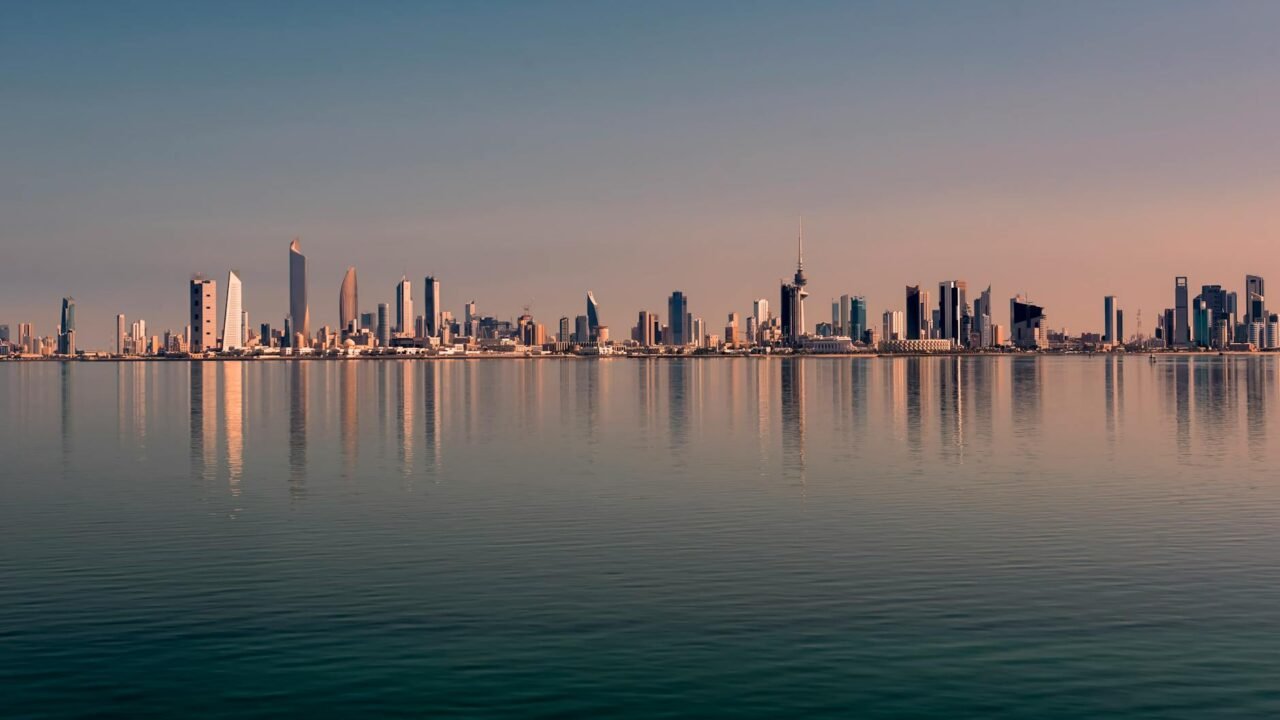
Ahmed Shihab-Eldin, a prominent Kuwaiti-American journalist, has reportedly been detained in Kuwait for several weeks, and his citizenship has been revoked. The circumstances surrounding his detention and the stripping of his nationality remain largely unclear, with no public comment from Kuwaiti authorities to date. Shihab-Eldin, known for his work covering the Middle East, is understood to have been held following his reporting and commentary on the escalating tensions and potential conflict involving Iran.
Information reaching TahirRihat.com suggests that the journalist’s detention and the subsequent revocation of his citizenship are directly linked to his journalistic activities. Shihab-Eldin has a history of engaging with sensitive geopolitical issues, and his recent focus on the Iran war appears to have drawn the ire of Kuwaiti authorities. The lack of official statements from Kuwait on the matter has amplified concerns among human rights organizations and press freedom advocates who are closely monitoring the situation.
The case highlights the precarious position of journalists working in regions where reporting on sensitive political and military matters can carry severe personal consequences. Shihab-Eldin’s dual citizenship, holding both Kuwaiti and American passports, adds a layer of complexity to the situation, raising questions about the legal basis for revoking his nationality and the potential involvement of both governments. The New York Times reported that Shihab-Eldin was held for several weeks after posting about the Iran war, indicating a direct correlation between his public statements and his current predicament.
The implications of such actions by a government against a journalist, particularly one with international ties, extend beyond the individual. They can create a chilling effect on free expression and journalism across the region, discouraging others from reporting on critical issues for fear of reprisal. The international community, including press freedom watchdogs, is calling for clarity and transparency from Kuwait regarding Shihab-Eldin’s detention and the grounds for revoking his citizenship. The absence of any public statement from the Kuwaiti government is particularly concerning, as it leaves room for speculation and further fuels anxieties about the state of press freedom in the country.
The specific content of Shihab-Eldin’s reporting that led to his detention has not been detailed, but the context of his focus on the Iran war suggests a critical examination of regional dynamics and potential conflict scenarios. Journalists often find themselves navigating complex political landscapes, and their work can be perceived as a threat by regimes seeking to control narratives. The situation with Ahmed Shihab-Eldin underscores the risks inherent in this profession, especially when reporting on matters of national security and international relations.
The legal framework under which a government can revoke the citizenship of its nationals, particularly those who also hold citizenship elsewhere, is often a subject of intense scrutiny. In many countries, citizenship is a fundamental right, and its revocation is typically reserved for extreme circumstances, often involving treason or serious national security breaches. The fact that Shihab-Eldin’s citizenship was reportedly revoked following his reporting raises serious questions about the proportionality of the response and its adherence to international human rights standards.
The American government’s position on the detention and citizenship revocation of its dual-national citizens is also a critical aspect of this developing story. While the specifics of diplomatic engagements are often kept confidential, the U.S. State Department typically advocates for the welfare of its citizens abroad and engages with host governments on such matters. The extent to which the U.S. has intervened or sought to intervene on Shihab-Eldin’s behalf will be a significant factor in the resolution of this case. The New York Times noted that Kuwait does not appear to have commented publicly on his case, a silence that complicates efforts to understand the official stance and the path forward.
The broader geopolitical context of the Iran war, a conflict that has been simmering for some time with various proxy engagements and heightened tensions, provides a backdrop to Shihab-Eldin’s reporting. Journalists covering such volatile situations are often caught between the narratives of different state actors and the imperative to report truthfully and objectively. The detention of a journalist in this climate can be interpreted as an attempt to silence critical voices and to shape public perception of the conflict. The international press corps and human rights organizations will undoubtedly continue to press for answers and for the safe release of Ahmed Shihab-Eldin.
The long-term implications for journalism in Kuwait and the wider Gulf region are also a concern. If reporting on sensitive topics leads to detention and the loss of nationality, it could lead to increased self-censorship among journalists, limiting the flow of information and public discourse. The case serves as a stark reminder of the ongoing challenges faced by journalists in many parts of the world who strive to provide independent and critical reporting in environments that can be hostile to such endeavors. The international community’s response and the eventual outcome of this situation will be closely watched as an indicator of the commitment to press freedom and human rights in the region.

Tahir Rihat (also known as Tahir Bilal) is an independent journalist, activist, and digital media professional from the Chenab Valley of Jammu and Kashmir, India. He is best known for his work as the Online Editor at The Chenab Times.




Leave a Reply