
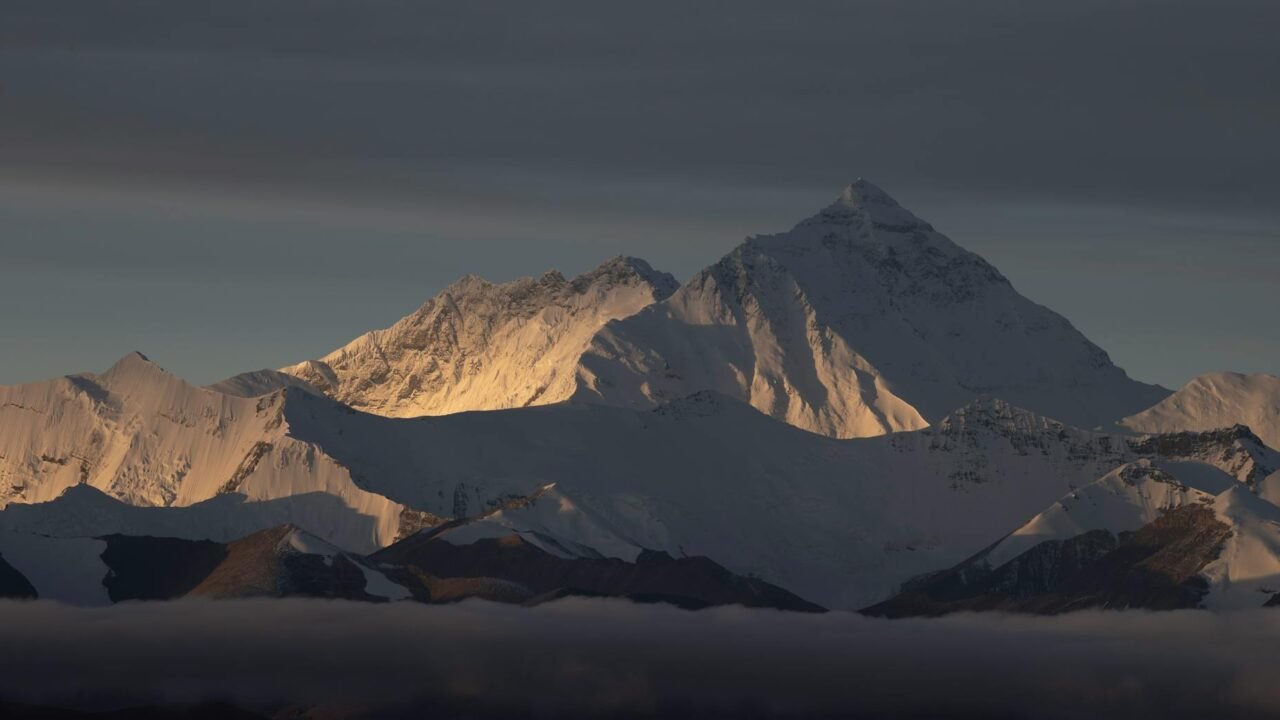
The formidable Khumbu Icefall, a notoriously dangerous and constantly shifting glacier that serves as the primary gateway to Mount Everest’s summit, has presented a formidable obstacle this climbing season, effectively sealing the route for hundreds of aspiring mountaineers. This natural barrier, a labyrinth of ice towers and deep crevasses, has become impassable, halting expeditions and raising concerns about the viability of reaching the world’s highest peak. The situation underscores the inherent risks and the critical role played by a specialized group of Sherpa climbers known as “icefall doctors.” These individuals are tasked with the perilous job of navigating and, where possible, mitigating the dangers of the icefall, ensuring a semblance of safety for those who attempt the ascent.
Information reaching TahirRihat.com suggests that the current blockage is particularly severe, with glacial movement creating new hazards and rendering established routes obsolete. The icefall is not a static feature; it is a dynamic river of ice that flows downhill, constantly cracking, collapsing, and reforming. This unpredictable nature means that routes meticulously fixed with ropes and ladders by previous expeditions can become unusable overnight. The “icefall doctors,” a select group of highly experienced Sherpa guides, are the only ones with the expertise and courage to tackle this challenge. Their work is not merely about finding a path; it involves a deep understanding of glacial dynamics and an acute awareness of the ever-present dangers of avalanches, serac collapses, and hidden crevasses.
The process undertaken by the icefall doctors is a testament to their skill and dedication. They begin their work in the pre-dawn darkness, often before other climbing teams are active, to assess the icefall’s condition. Using specialized equipment, including ice screws, ropes, and ladders, they meticulously scout for the safest possible line through the treacherous terrain. They identify areas of instability and work to bypass them, or, when necessary, to reinforce existing structures. This often involves drilling anchors into the ice, stringing ropes across gaping crevasses, and placing ladders over deep fissures. Their decisions are critical, as a single misjudgment can have catastrophic consequences. The sheer scale of the icefall, which spans approximately a mile and involves a vertical gain of about 2,000 feet, makes their task exceptionally arduous and dangerous.
The responsibility of the icefall doctors extends beyond simply opening a route. They are also responsible for maintaining it throughout the climbing season, a continuous effort as the icefall continues to shift. This means that their work is never truly finished. They must constantly monitor the ice, re-securing ropes, replacing damaged ladders, and, in some cases, rerouting the path entirely if conditions change drastically. Their expertise is honed over years of experience, often passed down through generations of Sherpa families who have lived and worked in the shadow of Everest. These individuals possess an intimate knowledge of the mountain’s moods and a profound respect for its power. Their role is often unsung, yet it is fundamental to the success and survival of virtually every expedition that attempts to summit Everest via the South Col route.
The current difficulties presented by the Khumbu Icefall highlight the growing challenges faced by climbers and expedition organizers. As climate change impacts glaciers worldwide, the stability of formations like the icefall is becoming increasingly unpredictable. Warmer temperatures can accelerate glacial melt and movement, potentially making routes more dangerous and harder to navigate. This season’s severe blockage is a stark reminder of nature’s dominance over human ambition. The economic implications are also significant, as hundreds of climbers, many of whom have spent considerable sums on their expeditions, are now facing the prospect of not reaching their goal. The tourism industry surrounding Everest is a vital source of income for Nepal, and prolonged closures of the icefall can have a substantial economic impact.
The elite team of icefall doctors, whose identities are often kept private due to the sensitive nature of their work and the inherent risks involved, are the backbone of the Everest climbing season. They are the first line of defense against the mountain’s most immediate and unpredictable dangers. Their commitment to safety, coupled with their unparalleled climbing skills, allows the dream of reaching the summit to remain a possibility for many. However, their efforts are always subject to the overwhelming forces of nature. The icefall doctors’ work is a constant negotiation with the mountain, a high-stakes endeavor where expertise, courage, and a bit of luck are all essential components for success. The current impasse serves as a potent symbol of the enduring power of Everest and the vital, often perilous, role of the Sherpa community in facilitating human endeavors on its slopes.

Tahir Rihat (also known as Tahir Bilal) is an independent journalist, activist, and digital media professional from the Chenab Valley of Jammu and Kashmir, India. He is best known for his work as the Online Editor at The Chenab Times.






Leave a Reply