
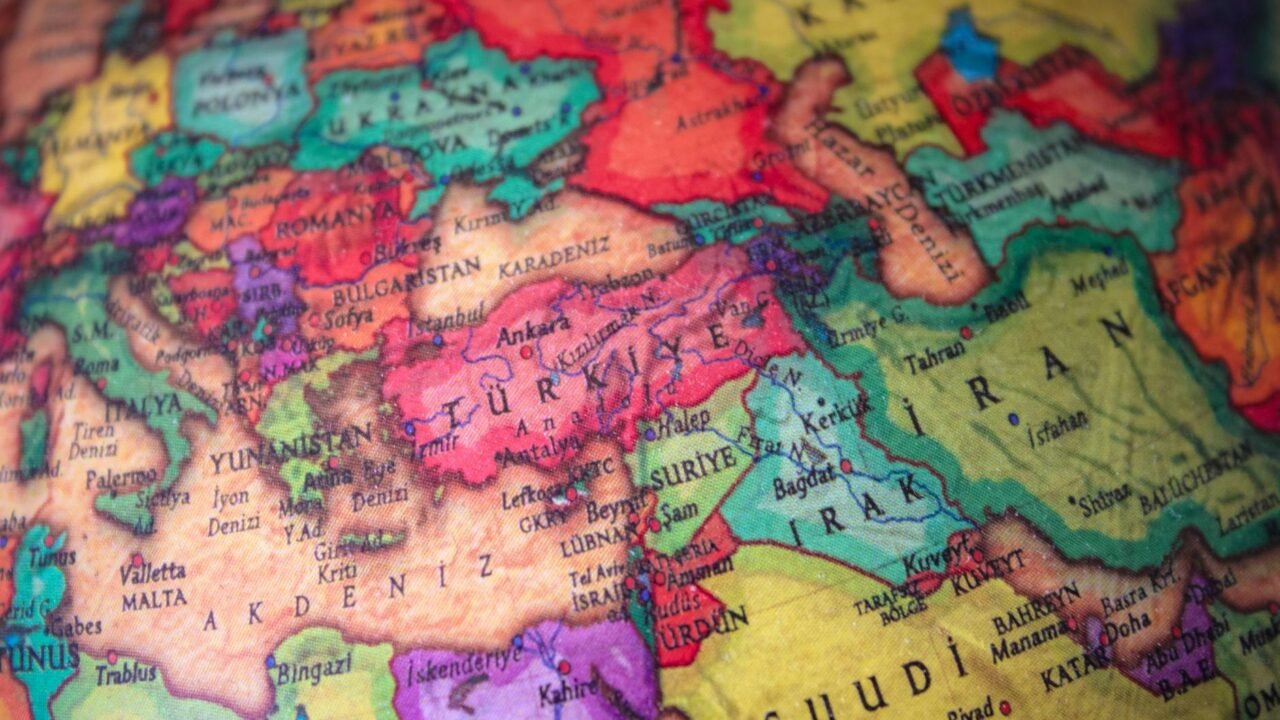
The economic hardships gripping Iran have become so severe that many citizens are now undertaking journeys across the border into Turkey, not for luxury or leisure, but to procure essential household items, most notably cooking oil. This exodus for basic necessities underscores the depth of Iran’s ongoing economic crisis, which has been significantly amplified by regional conflicts and international sanctions.
Information reaching TahirRihat.com suggests that the scarcity and prohibitive cost of fundamental goods within Iran are compelling individuals and families to seek more affordable alternatives in neighboring countries. The most basic of commodities, such as cooking oil, a staple in every Iranian household, has become a symbol of this pervasive economic distress. The journey to Turkey, while potentially arduous and costly in itself, is undertaken out of a perceived necessity to secure these vital supplies that are increasingly out of reach for the average Iranian.
The war in the region has been cited as a major exacerbating factor in Iran’s already strained economy. The conflict has disrupted supply chains, increased inflation, and diverted national resources, all of which contribute to the diminished purchasing power of the Iranian populace. This situation forces a difficult choice upon many: to endure the shortages and high prices at home or to venture abroad, facing logistical challenges and currency exchange rate disadvantages, to obtain what they need for daily survival. The act of crossing the border for such fundamental items paints a stark picture of the economic realities faced by a significant portion of the Iranian population.
The trade in cooking oil across the Iran-Turkey border is not merely a transactional exchange of goods; it is a potent indicator of the broader economic vulnerabilities that plague Iran. The demand for these basic foodstuffs in Turkey reflects a critical shortage within Iran, where the currency’s depreciation and the impact of sanctions have made imports prohibitively expensive and domestic production insufficient to meet demand. This cross-border activity highlights a desperate measure taken by ordinary Iranians to maintain a semblance of normalcy in their daily lives amidst an increasingly challenging economic environment.
The implications of this trend extend beyond individual households. It points to a potential strain on cross-border relations and economies, as well as a growing humanitarian concern. The reliance on external sources for basic sustenance can create dependencies and vulnerabilities, further complicating Iran’s economic recovery efforts. The sight of Iranians queuing in Turkish markets for items that were once readily available in their own country serves as a powerful visual testament to the severity of the economic downturn.
The United States‘ re-imposition of sanctions on Iran in 2018, following its withdrawal from the Joint Comprehensive Plan of Action (JCPOA), has had a profound impact on the country’s economy. These sanctions have targeted key sectors, including oil exports and financial transactions, leading to a sharp decline in Iran’s foreign exchange reserves and a significant devaluation of its national currency, the rial. This has driven up the cost of imports, including essential food items and medicines, making them inaccessible to a large segment of the population.
Furthermore, regional geopolitical tensions and conflicts have added another layer of complexity to Iran’s economic woes. The ongoing instability in neighboring countries, coupled with Iran’s own involvement in regional proxy conflicts, has led to increased military spending and a diversion of resources away from domestic economic development. This has further exacerbated inflationary pressures and contributed to a decline in living standards for many Iranians.
The situation at the border with Turkey is a microcosm of the larger economic crisis unfolding within Iran. The demand for cooking oil and other basic goods in Turkish towns and cities frequented by Iranian shoppers is a direct consequence of the economic policies and external pressures that have beleaguered the country. This phenomenon is not an isolated incident but rather a symptom of a systemic economic breakdown that requires urgent attention and sustainable solutions.
The Iranian government has acknowledged the economic challenges facing the country and has implemented various measures to mitigate their impact. These include efforts to boost domestic production, diversify the economy, and seek alternative trade partners. However, the effectiveness of these measures has been limited by the persistent challenges of sanctions, regional instability, and internal economic structural issues. The continued reliance on cross-border trade for essential goods suggests that these measures have not yet yielded the desired results for the average citizen.
The long-term consequences of this economic crisis could be far-reaching. A prolonged period of economic hardship can lead to social unrest, increased emigration of skilled labor, and a further erosion of public trust in the government. Addressing the root causes of the economic crisis, including the lifting of sanctions and the promotion of internal economic reforms, will be crucial for Iran’s stability and prosperity. The current situation, where citizens are forced to travel abroad for basic sustenance, is a clear indication that the economic challenges are far from over.

Tahir Rihat (also known as Tahir Bilal) is an independent journalist, activist, and digital media professional from the Chenab Valley of Jammu and Kashmir, India. He is best known for his work as the Online Editor at The Chenab Times.


Leave a Reply