
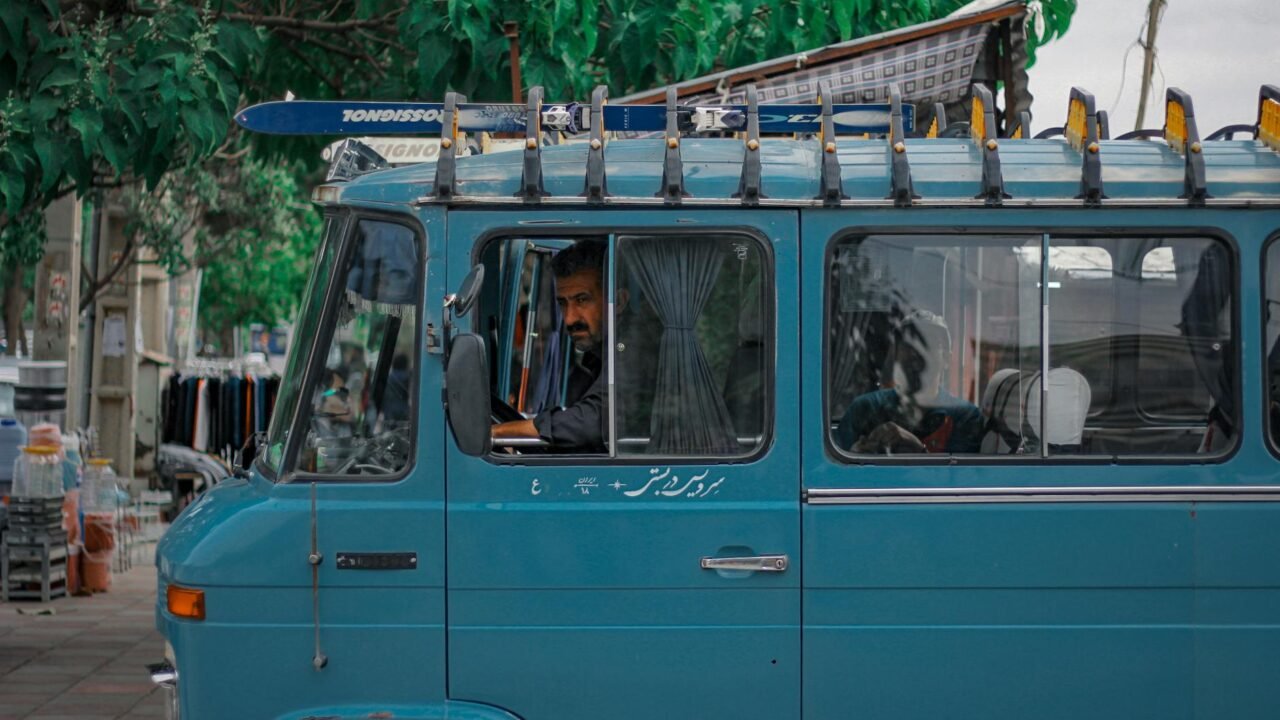
Months after a period of intense upheaval, a palpable sense of quiet resilience has settled over Iran. Many citizens are attempting to resume their daily routines, a surface-level normalcy masking a deeper undercurrent of grief, economic strain, and a pervasive sense of lost hope. The immediate aftermath of conflict has given way to a more introspective phase, where the collective trauma is processed not through public displays, but through the quiet endurance of everyday life.
Information reaching TahirRihat.com suggests that this period is characterized by a subdued atmosphere, a stark contrast to the more overt expressions of emotion that might follow such significant events. The focus has shifted inward, with individuals and families grappling with the personal costs of recent months. This internal struggle is compounded by persistent economic pressures, which continue to affect households across the nation. The lingering effects of instability have undoubtedly taken a toll on the country’s financial well-being, creating an environment where basic necessities and future aspirations are viewed with increased caution.
The psychological impact of prolonged stress and uncertainty is also a significant factor. A loss of hope, described by many as a quiet despair, permeates conversations and interactions. This sentiment is not necessarily expressed through outward protest or vocal dissent, but rather through a withdrawal and a sense of resignation. The smooth veneer of daily life, therefore, serves as a protective layer, shielding a population that is internally navigating profound emotional and economic challenges. The ability to carry on, to maintain routines and responsibilities, is a testament to the human capacity for adaptation, even in the face of considerable adversity.
The economic realities are particularly acute. Inflationary pressures and the scarcity of certain goods have become a constant concern for many Iranians. The ripple effects of past conflicts and sanctions continue to be felt, impacting purchasing power and the ability to plan for the future. This economic hardship exacerbates the existing emotional strain, creating a cycle where financial worries amplify feelings of powerlessness and despair. The resilience observed is, in many ways, a coping mechanism born out of necessity, a way to manage the day-to-day realities without succumbing entirely to the weight of their circumstances.
The social fabric, while seemingly intact on the surface, is also undergoing a subtle transformation. Communities are bound by shared experiences of hardship, fostering a sense of solidarity, albeit a quiet one. Neighbors and friends offer support through small gestures, a shared meal, or a listening ear, creating micro-networks of comfort and mutual aid. These acts of kindness, often understated, are crucial in sustaining morale and providing a sense of connection in a time of widespread introspection. The collective memory of recent events, though not openly discussed in public forums, remains a potent force shaping the present mood.
The desire to move forward is evident, yet the path ahead is perceived as uncertain. The absence of immediate threats does not translate to a feeling of security or optimism for many. Instead, there is a cautious approach to rebuilding and a hesitant outlook on what the future may hold. The energy that was once directed towards navigating immediate crises is now being channeled into the more arduous task of personal and collective recovery. This involves not only economic stabilization but also the slow and delicate process of emotional healing and the restoration of faith in a more stable future.
The outward appearance of normalcy is a carefully constructed facade, a testament to the Iranian people’s ability to maintain dignity and functionality amidst profound challenges. The quiet strength displayed is not a sign of indifference, but rather a profound demonstration of endurance. The nation is in a period of transition, moving from the acute phase of crisis to a more protracted period of recovery and recalibration. The challenges are immense, but the underlying spirit of resilience, though tested, remains a defining characteristic of the Iranian experience in this post-conflict era.

Tahir Rihat (also known as Tahir Bilal) is an independent journalist, activist, and digital media professional from the Chenab Valley of Jammu and Kashmir, India. He is best known for his work as the Online Editor at The Chenab Times.


Leave a Reply