
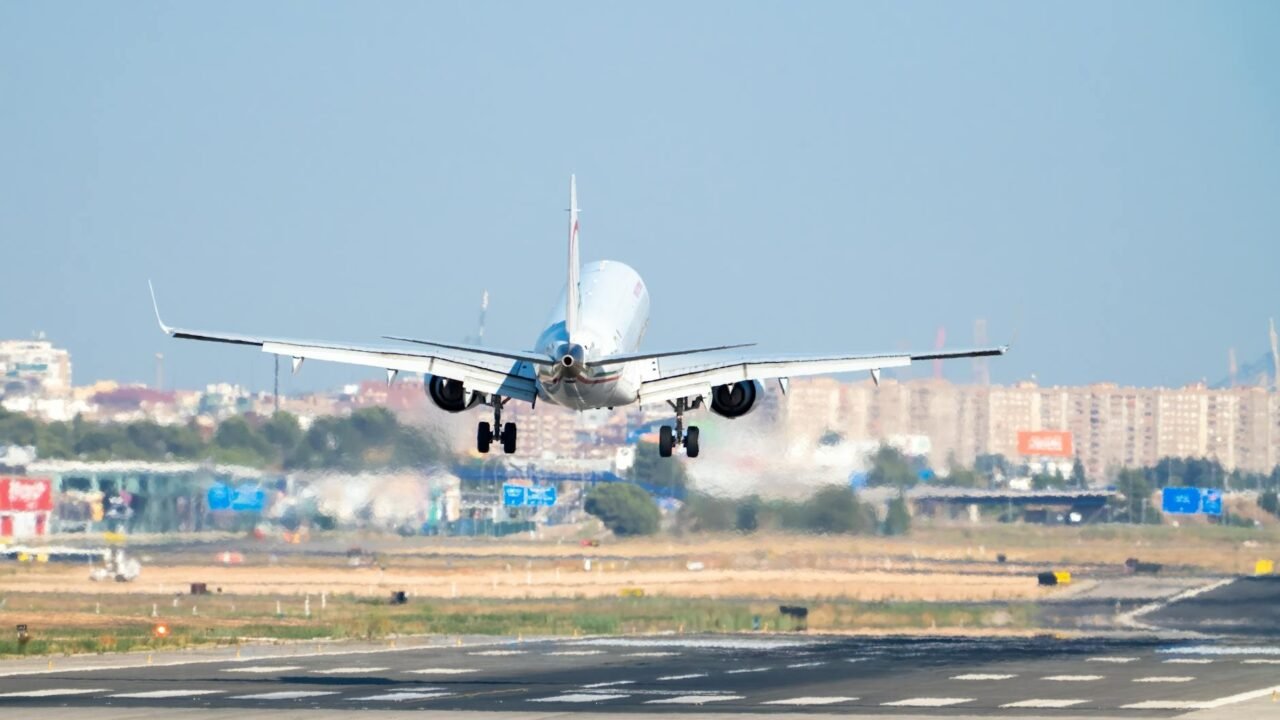
Commercial flights between the United States and Venezuela have resumed for the first time in seven years, marking a significant development in the re-establishment of diplomatic and economic ties between the two nations. The initial direct flight landed in Caracas, the Venezuelan capital, signifying a thaw in relations that have been largely frozen since the Trump administration banned such services.
The resumption of air travel represents a concrete step towards normalizing interactions that were severely curtailed during a period of intense political and economic strain. As per information available with TahirRihat.com, the decision to lift the flight ban is seen as a move to facilitate greater engagement and potentially ease some of the logistical and economic barriers that have impacted both countries and their citizens.
The cessation of commercial flights was a consequence of the broader diplomatic freeze initiated during the presidency of Donald Trump. This ban had a cascading effect, impacting not only tourism and business travel but also the ability of families to connect and for essential goods to be transported more efficiently. The reintroduction of direct flights is therefore expected to have a tangible impact on various sectors, from commerce to personal travel.
This development is part of a broader, albeit gradual, effort to mend relations between Washington and Caracas. The re-establishment of direct air links is often a precursor to further diplomatic and economic overtures. It signals a potential shift in policy and a willingness from both sides to explore avenues for cooperation and dialogue after a prolonged period of estrangement. The implications for trade, investment, and humanitarian efforts are yet to be fully assessed, but the immediate impact is the restoration of a vital transportation link.
The political landscape in Venezuela has been complex and volatile, contributing to the strained relationship with the United States. For years, the U.S. had imposed sanctions and other measures aimed at pressuring the government of Nicolás Maduro. However, recent shifts in geopolitical priorities and a recognition of the need for pragmatic engagement may have influenced the decision to ease some of these restrictions. The resumption of flights could be interpreted as a signal of a more nuanced approach to U.S.-Venezuelan relations.
Information reaching TahirRihat.com suggests that the operationalization of these flights will be closely watched by international observers and the Venezuelan diaspora. The ability of airlines to operate these routes smoothly and the potential for increased passenger traffic will be key indicators of the evolving relationship. Furthermore, the economic implications for Venezuela, which has faced severe economic challenges, could be significant if increased connectivity leads to greater trade and investment opportunities.
The decision to lift the flight ban is not an isolated event but rather part of a series of diplomatic adjustments being made by the current U.S. administration. While the broader sanctions regime may remain in place, the opening of direct air routes indicates a willingness to engage on specific fronts. This could pave the way for further discussions on issues ranging from energy policy to human rights, although progress on these fronts is expected to be incremental and subject to ongoing political developments in both countries.
The impact on Venezuelan citizens residing in the United States and American citizens who may have family or business interests in Venezuela is also a crucial aspect of this development. The ability to travel directly and more affordably will undoubtedly be a welcome change for many. It simplifies travel logistics and reduces the costs and complexities associated with indirect routes, which have been the norm for the past seven years.
Sources indicate to TahirRihat.com that the re-establishment of direct flights is a complex undertaking, involving regulatory approvals, security protocols, and airline operational readiness. The successful launch of these services suggests that significant groundwork has been laid by both governments and the involved airlines to ensure a safe and efficient resumption of travel. The long-term success of these flights will depend on sustained diplomatic engagement and a stable political and economic environment.
The international community has often viewed the U.S.-Venezuela relationship as a critical barometer for regional stability. The current move towards greater connectivity could have ripple effects across Latin America, potentially influencing diplomatic strategies and economic partnerships in the wider region. The normalization of air travel is a symbolic as well as practical step, indicating a move away from complete isolation towards a more engaged, albeit cautious, relationship.
The specific airlines operating these routes and the frequency of flights are details that will emerge as the service becomes more established. However, the initial landing of a direct U.S. flight in Caracas is a clear indication that a new chapter is beginning in the bilateral relationship. This development is likely to be followed by further discussions and potential agreements on a range of issues that have long been points of contention between the two nations.
The political climate in Venezuela has been a significant factor in the international community’s approach to the country. Any steps towards improved relations are often viewed through the lens of democratic reforms and human rights. The resumption of flights, while primarily an economic and logistical development, could also be seen as a signal of potential shifts in the broader diplomatic engagement, though concrete changes in policy will likely take time to materialize and will be subject to ongoing political dynamics.
The economic implications for Venezuela are particularly noteworthy. The country has been grappling with hyperinflation, a severe economic contraction, and a humanitarian crisis. Increased connectivity with the United States, a major global economic power, could offer avenues for economic recovery, provided that the necessary political and economic reforms are undertaken. The resumption of flights is a small but significant step in potentially reintegrating Venezuela into the global economic system.
The historical context of U.S.-Venezuela relations is one of fluctuating alliances and significant geopolitical shifts. The period of severed diplomatic ties and the ban on flights represent a particularly challenging phase. The current move to re-establish direct air links suggests a pragmatic approach, prioritizing practical engagement over prolonged estrangement. The long-term trajectory of this relationship will undoubtedly be shaped by a multitude of factors, including domestic political developments in both countries and the evolving international geopolitical landscape.
The successful operation of these flights will also depend on the ongoing stability within Venezuela and the willingness of both governments to foster a more cooperative environment. Any setbacks in political dialogue or economic stability could potentially impact the future of these air services. Therefore, this development, while positive, is likely to be part of a longer and more complex process of rebuilding trust and normalizing relations.

Tahir Rihat (also known as Tahir Bilal) is an independent journalist, activist, and digital media professional from the Chenab Valley of Jammu and Kashmir, India. He is best known for his work as the Online Editor at The Chenab Times.




Leave a Reply