
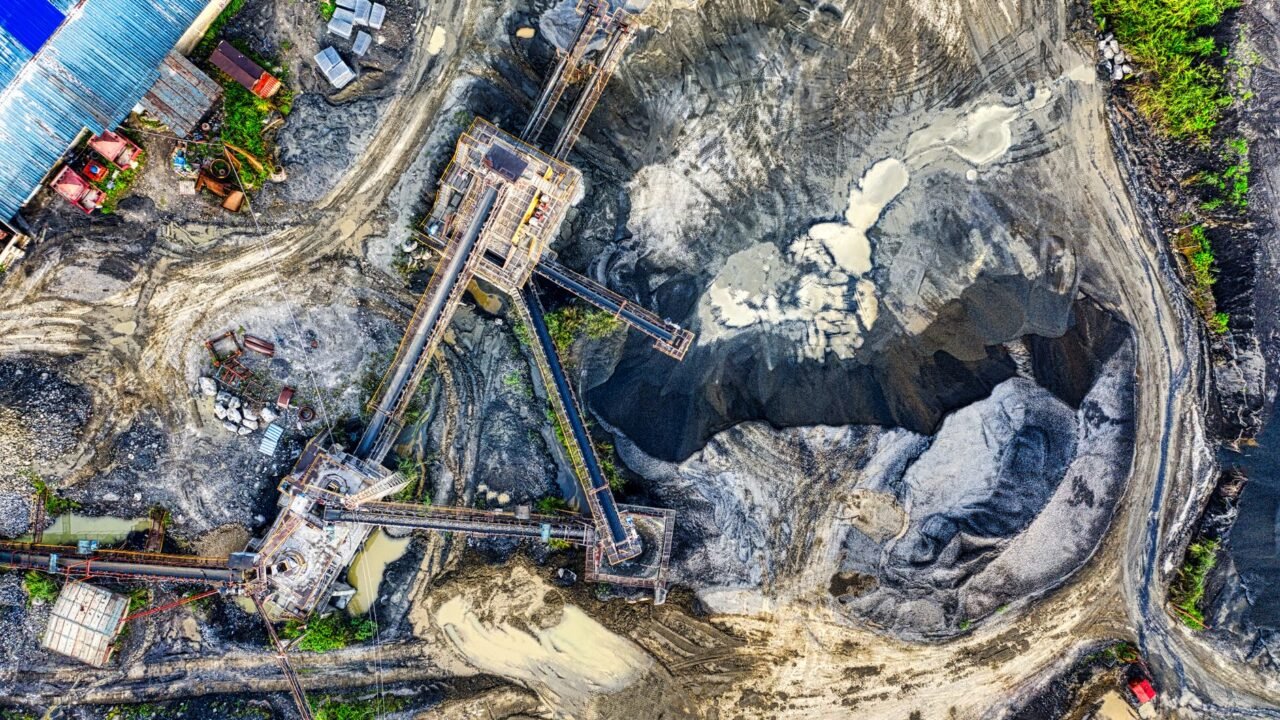
The intricate and often clandestine world of artisanal gold mining in West Africa has emerged as a critical vector for the spread of the Ebola virus, according to recent reporting. Declan Walsh, chief Africa correspondent for The New York Times, has provided an in-depth look from the heart of an Ebola outbreak, detailing how the industry’s operations and the deadly virus are inextricably linked.
Information reaching Tahir Rihat suggests that the very nature of gold mining, which often involves remote locations, dense populations of workers, and close physical contact, creates an ideal environment for Ebola transmission. These mining sites, frequently situated in areas with limited access to healthcare and sanitation infrastructure, become fertile ground for the virus to take hold and spread rapidly among the workforce. The transient nature of many miners, who move between different sites and communities in search of work, further exacerbates the challenge of containing outbreaks.
The process of extracting gold often involves extensive manual labor, with miners working in close proximity to one another, sharing tools, and often living in communal settings. This close contact, coupled with the potential for exposure to bodily fluids, presents a significant risk for transmission. When an infected individual is present at a mining site, the virus can quickly spread through the interconnected network of workers. The lack of adequate personal protective equipment and the limited understanding of infection control measures among some mining communities contribute to the heightened risk.
Furthermore, the economic pressures driving individuals to engage in artisanal mining often mean that workers may delay seeking medical attention, even when exhibiting symptoms, for fear of losing their income or being ostracized. This delay allows the virus to spread further within the community before any intervention can be made. The remote locations of many mining operations also pose logistical challenges for health authorities attempting to track cases, provide treatment, and implement containment strategies. Access to these areas can be difficult, and the dispersed nature of the mining camps makes it hard to identify and isolate infected individuals effectively.
The global demand for gold, particularly for artisanal mining, creates a complex socio-economic landscape where public health concerns can often be overshadowed by the immediate need for survival and income. The report highlights how the movement of people, goods, and resources associated with the gold trade can inadvertently facilitate the spread of infectious diseases across borders and between communities. This interconnectedness means that an outbreak in one mining region can quickly have implications for neighboring areas and even distant populations.
Efforts to combat Ebola in these settings require a multifaceted approach that addresses not only the medical aspects of the outbreak but also the underlying socio-economic factors that contribute to its spread. This includes working with mining communities to improve hygiene practices, provide access to healthcare, and raise awareness about the risks of Ebola transmission. International organizations and local governments face the daunting task of balancing the economic importance of gold mining with the urgent need to protect public health and prevent future epidemics. The report underscores the critical need for coordinated international efforts to support affected countries in strengthening their health systems and implementing effective disease surveillance and response mechanisms, particularly in vulnerable sectors like artisanal mining.
The challenges are compounded by the informal nature of much of the gold mining industry, where regulatory oversight is often minimal. This lack of formal structure makes it difficult to implement and enforce public health guidelines. Miners may operate in areas without proper waste disposal systems or access to clean water, further increasing the risk of contamination. The report implies that a comprehensive strategy must involve engaging with mining cooperatives, local leaders, and the miners themselves to foster a sense of shared responsibility for preventing the spread of disease.
The economic incentives tied to gold extraction can create a difficult environment for public health interventions. When livelihoods are at stake, individuals may be reluctant to cooperate with measures that could disrupt their work, even if those measures are essential for their safety and the safety of their communities. Therefore, any successful strategy must consider the economic realities faced by these populations and seek to integrate health initiatives in a way that is sustainable and culturally appropriate. The long-term implications of such outbreaks can be devastating, not only in terms of human lives lost but also in the disruption of economies and the erosion of trust between communities and authorities. The lessons learned from these outbreaks are crucial for developing more resilient public health infrastructure in regions heavily reliant on informal economies.

Tahir Rihat (also known as Tahir Bilal) is an independent journalist, activist, and digital media professional from the Chenab Valley of Jammu and Kashmir, India. He is best known for his work as the Online Editor at The Chenab Times.






Leave a Reply