
President Volodymyr Zelensky of Ukraine has dismissed his top general, a move that signals a significant internal rift within the nation’s military leadership. The decision follows a period of escalating tension between established, older-guard officers and a newer generation of military strategists advocating for innovative approaches to the ongoing conflict. This internal discord has reportedly spilled into public view, prompting the presidential action.
The precise reasons for the dismissal of General Valerii Zaluzhnyi, the Commander-in-Chief of the Armed Forces of Ukraine, were not immediately detailed by the presidential administration. However, reports suggest a fundamental disagreement over military strategy and operational tactics has been brewing for some time. Information reaching Tahir Rihat indicates that President Zelensky’s office has been concerned about the perceived inflexibility of some senior military figures in adapting to the evolving battlefield dynamics. Conversely, there are also indications that younger officers have felt their progressive ideas were not being sufficiently embraced by the traditional military hierarchy.
The public nature of this disagreement is a rare occurrence in wartime, particularly concerning the highest echelons of military command. The friction between the old and new guard has been a subject of discussion among military analysts, with some suggesting that the prolonged nature of the war has exacerbated these generational and methodological differences. The dismissal of such a prominent figure as Zaluzhnyi, who has been a symbol of Ukrainian resistance since the full-scale Russian invasion, is a stark indicator of the severity of the internal challenges facing Ukraine’s war effort.
Sources close to the Ukrainian military, speaking on condition of anonymity, have indicated to Tahir Rihat that the disagreements were not merely theoretical but involved concrete operational decisions and the allocation of resources. The debate reportedly centered on how best to achieve strategic objectives, with differing views on the pace of offensives, the utilization of Western-supplied weaponry, and the overall approach to attritional warfare. The younger faction is believed to have pushed for more agile and technologically driven operations, while the older generation may have favored more conventional, albeit costly, methods.
The implications of this leadership change are significant for Ukraine’s military operations and its relationship with international partners. General Zaluzhnyi has been a highly respected figure, both domestically and internationally, for his role in organizing Ukraine’s initial defense and subsequent counteroffensives. His removal could lead to a period of uncertainty as a new commander assumes leadership and seeks to unify the military command under a potentially revised strategic vision. The international community, which has been providing substantial military and financial aid to Ukraine, will be closely watching how this internal shift impacts the country’s ability to sustain its defense.
President Zelensky’s office has stated that the decision was made to ensure the effective leadership of the armed forces during a critical phase of the war. The presidential administration has emphasized the need for unity and a shared strategic outlook within the military command. The exact nature of the disagreements and the specific policy differences that led to this outcome remain subjects of intense speculation, but the public acknowledgment of a significant internal military dispute underscores the complex challenges Ukraine faces on multiple fronts. The appointment of a successor to General Zaluzhnyi is expected to be a key development in the coming days, offering further insight into the direction President Zelensky intends to steer the nation’s defense strategy.
The internal military strife in Ukraine, now culminating in the dismissal of its top general, highlights the immense pressure and complex decision-making involved in prolonged warfare. The reported clash between traditional military thinking and more modern, innovative approaches reflects a broader challenge faced by many armed forces adapting to contemporary conflict. The Ukrainian military, under constant threat and resource constraints, has been forced to navigate these internal dynamics while simultaneously confronting a formidable adversary. The leadership’s ability to manage these internal tensions will be crucial for maintaining morale, operational effectiveness, and the continued support of its allies.
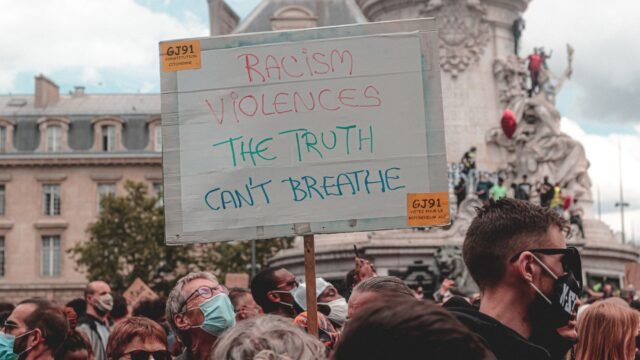
The public nature of the dispute, with reports of street-level protests or demonstrations related to the general’s position, as suggested by the source material, adds another layer of complexity. Such public displays of internal military division can be exploited by adversaries and can undermine public confidence. The presidential administration’s decision to act, therefore, can be seen as an attempt to regain control of the narrative and assert civilian leadership over the military apparatus, especially in the face of perceived public dissent or pressure. This move by President Zelensky underscores his authority and his commitment to ensuring that the military’s leadership aligns with his strategic vision for the war’s prosecution.
The dismissal of General Zaluzhnyi is not merely a personnel change; it represents a potential strategic pivot or a reassertion of presidential control over military affairs. The coming weeks will be critical in observing how the Ukrainian military adapts to this new leadership structure and whether the perceived rifts can be effectively mended. The international response and the continued flow of aid will likely be influenced by the perceived stability and strategic coherence of Ukraine’s war leadership. The focus now shifts to the new commander and their ability to rally the troops and implement a unified strategy against the ongoing Russian aggression.

Tahir Rihat (also known as Tahir Bilal) is an independent journalist, activist, and digital media professional from the Chenab Valley of Jammu and Kashmir, India. He is best known for his work as the Online Editor at The Chenab Times.
Leave a Reply